




A 1970 Chart-Topper by Neil Diamond Finds New Life on a List of Soft Rock’s Greatest Classics
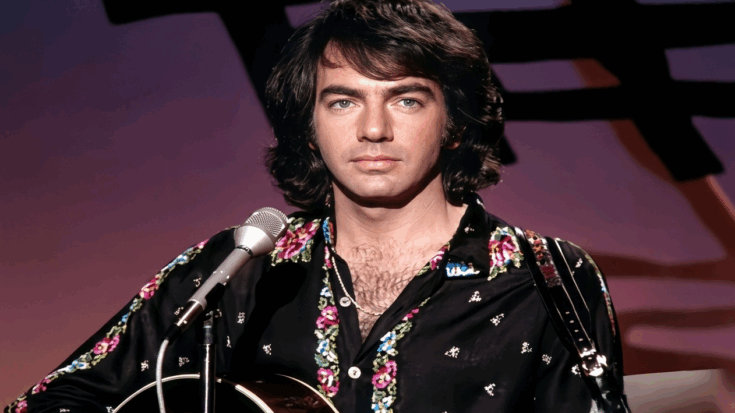
via lucio sampaio / YouTube (Screen capture enhanced)
Why an old hit is suddenly back in talks
Instead of fading into the background like many older chart-toppers, this one keeps resurfacing whenever playlists or rankings get refreshed. When it was first released, the song didn’t struggle for attention. It shot straight to No. 1 on the Billboard Hot 100 and stayed there for a week, marking a moment where Neil Diamond moved from writing songs for others into becoming a major solo figure in his own right.
That shift mattered. It changed how radio treated him and how audiences saw his voice in a crowded music era.
The studio side most listeners don’t think about
The recording didn’t come together in a vacuum. It was shaped during sessions for the album Tap Root Manuscript, where Diamond worked with The Wrecking Crew, a group of studio musicians known for playing on countless hits in the 60s and 70s. Their style wasn’t flashy, but it was precise, and that control helped give the track its steady, easy groove.
There’s a kind of balance in the sound—nothing feels rushed, yet nothing drifts either. That’s part of why it still holds up when people hear it today.
How far the song actually traveled
The success didn’t stop at one country. In the United States and Canada, it reached the top spot. In the United Kingdom, it climbed to No. 3. In New Zealand, it went even further, staying at No. 1 for five straight weeks.
Those numbers show something important: it wasn’t just a local hit that faded quickly. It moved across markets and stayed strong long enough to become part of that year’s musical identity.
A lyric people still can’t settle on
One reason the song continues to spark conversation is that its meaning isn’t locked in place. Some listeners hear it as a love song. Others think the imagery points toward alcohol or something more symbolic. That uncertainty has kept it alive in discussions, especially around lines like “store-bought woman,” which people still interpret in different ways.

A career shift hiding inside a single
Before this era, Neil Diamond was already writing material that other artists performed, including work linked to The Monkees. But this release changed the direction of his public career. It became his third million-selling single and helped establish him as a major performer, not just a behind-the-scenes writer.
He would later go on to sell tens of millions of records worldwide and earn a place in the Rock and Roll Hall of Fame, but this was one of the records that set that path in motion.