John Paul Jones Opens Up About His Most Surprising Collaborations
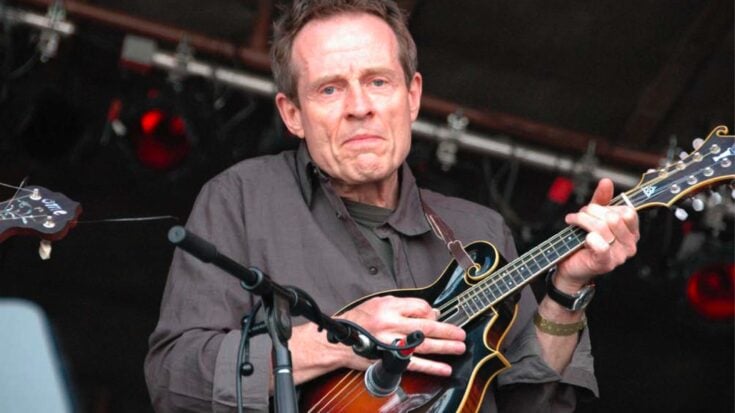
Photo by Jeff Turner from Raleigh, NC, CC BY-SA 2.0, via Wikimedia Commons
Many people remember John Paul Jones as the quiet bassist and keyboardist from Led Zeppelin, yet he is one of rock’s most fascinating figures. That image is just one chapter in a long and varied musical career. Before Zeppelin formed, Jones was a sought-after session musician and arranger, helping shape the sound of numerous iconic tracks from the 1960s and 1970s. He didn’t disappear after the band broke up; he continued making music with a wide range of artists, often in surprising ways.
Jones joined Led Zeppelin through talent and hard work, not because he had known the members since childhood, as is common with many rock musicians. In London, he and Jimmy Page were both highly regarded studio musicians. After drummer John Bonham died in 1980, Zeppelin’s legendary run came to an end. For a time, Jones chose a quieter life, even moving to the English countryside to spend more time with his family. But he kept making music—on his own terms. Over the years, he appeared in unexpected places, collaborating with pop performers, alternative rock bands, and symphonic projects. Here’s a look at six notable collaborations that might surprise even die-hard rock fans, presented chronologically.
Donovan
John Paul Jones had already made a name for himself long before Led Zeppelin. In the mid-1960s, he arranged and played bass on records for folk-rock singer Donovan, including the iconic “Mellow Yellow.” His contributions went beyond playing notes; he helped assemble musical elements to give the songs a fuller, more polished sound.
This early collaboration highlights Jones’ versatility. He wasn’t just a bassist; producers and composers sought him out when they wanted something fresh and distinctive. Before Zeppelin formed, he honed his skills working with Donovan and other session musicians, sometimes alongside Jimmy Page on guitar.

The Yardbirds
Shortly before Zeppelin came together, Jones and Page reunited on a Yardbirds project in the late 1960s. For the album Little Games, Jones played bass and helped arrange several songs.
This collaboration was a crucial step. Page was transitioning from the Yardbirds to what would become Led Zeppelin, and Jones was more than a sideman—he was a collaborator, adding structure and depth to the recordings. While often overlooked, this work demonstrates how Jones was quietly shaping the evolution of rock behind the scenes.

The Rolling Stones
One of Jones’ more colorful early contributions was arranging the strings for The Rolling Stones’ psychedelic track “She’s a Rainbow” from Their Satanic Majesties Request.
Jones wasn’t just playing bass or keyboards; he was responsible for the string arrangements for one of the world’s biggest rock bands. His work elevated him from pop-session musician to musical architect, and the song’s lush, swirling sound is a testament to his skill—a style he would continue to develop for Zeppelin and other artists.

Paul McCartney
After Zeppelin disbanded, Jones pursued numerous musical ventures. One notable collaboration was with Paul McCartney, one of rock’s most celebrated bassists. Jones played bass on McCartney’s song “Ballroom Dancing,” featured in the mid-1980s film Give My Regards to Broad Street.
Interestingly, years later, McCartney almost reunited with Jones. When Dave Grohl and Josh Homme were forming Them Crooked Vultures in the late 2000s, McCartney reportedly expressed interest in joining, but Jones secured the role first. It’s a rare moment in music history when two legendary bassists might have competed for the same spot.

R.E.M.
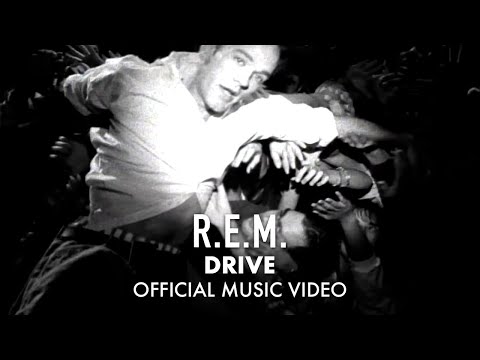
In the early 1990s, alternative rock icons R.E.M. invited Jones to contribute to Automatic for the People. They weren’t looking for standard rock basslines—they wanted cinematic string arrangements.
Jones delivered, helping craft parts for songs like “Drive,” “Everybody Hurts,” and “Nightswimming.” The collaboration demonstrates how musicians from vastly different backgrounds—classic rock session veterans and ‘90s alternative bands—could create something remarkable together. His dramatic, expressive string arrangements added emotional depth to some of R.E.M.’s most enduring tracks.
Heart
In the mid-1990s, Jones collaborated with hard rock band Heart on a live project. He produced their album The Road Home, played mandolin onstage, and worked with the Seattle Symphony Orchestra to give their music a symphonic dimension.
This project exemplifies Jones’ approach: he doesn’t chase the easiest or most commercially lucrative opportunities. Instead, he seeks projects that blend genres and push musical boundaries. With Heart, he merged rock, folk, and classical elements, helping create a live record that was both ambitious and genre-crossing.

Not Just a Bassist, But a Musical Chameleon
These six collaborations are only a fraction of John Paul Jones’ long and varied career. From arranging brass and strings for pop and rock sessions to performing with artists like Cat Stevens, Jeff Beck, Brian Eno, and many others, Jones has consistently demonstrated his creativity. He has also released solo albums and played in supergroups such as Them Crooked Vultures.
Jones’ story reminds us that music history isn’t just about the performers in the spotlight—it’s also about the talented individuals working behind the scenes, shaping the sounds we love. His career shows that enduring art often comes from curiosity, collaboration, and versatility. John Paul Jones has done it all: writing pop songs, orchestrating lush arrangements, and performing with legendary bands, proving that he is far more than a bassist—he is a true musical chameleon.