




Dave Davies Defends The Kinks’ “Lola” After Criticism

via "Paste Magazine" / Youtube
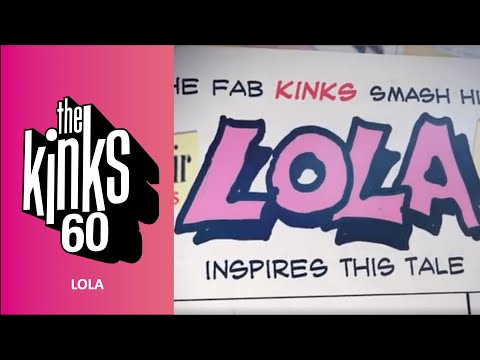
A decades-old classic has found itself back in the spotlight, as Moby publicly criticized The Kinks’ 1970 hit “Lola,” prompting a firm response from guitarist Dave Davies.
In a recent interview with The Guardian, Moby admitted he now struggles to listen to the track, describing its lyrics as “gross and transphobic.” He added, “I like their early music, but I was really taken aback at how unevolved the lyrics are.”
The remarks have reignited discussion around the song’s narrative, particularly its depiction of gender identity—an element that was already controversial at the time of its release.
A Clash of Perspectives
Moby’s criticism centered on the lyric describing “Lola” as someone who “walks like a woman but talks like a man,” which he views as reflective of outdated attitudes.
Dave Davies responded directly on social media, pushing back against the characterization and defending the band’s intent. “I don’t wanna show the guy up, but Moby should be careful what he says,” he wrote.
Referencing the band’s experiences on tour, Davies highlighted their connection to inclusive communities, adding, “The Cockettes and their friends used to follow us around on tour. We appreciated them.” He concluded his remarks with a pointed rebuttal:
“Why is Moby being so rude about this simple song? We’re not trans phobic. Why does he have to have a go at us?”
Context Behind the Controversy
Upon its release in 1970, “Lola” was already pushing boundaries. Its subject matter—centered on an ambiguous romantic encounter—was considered taboo, leading some radio stations to censor portions of the track before references to gender identity aired.
Songwriter Ray Davies initially attributed the inspiration to an experience involving the band’s manager, Robert Wace. However, he later offered a more personal account. Speaking to Q Magazine in 2016, Davies said:
“The song came out of an experience in a club in Paris. I was dancing with this beautiful blonde, then we went out into the daylight and I saw her stubble. So I drew on that but coloured it in, made it more interesting lyrically.”
Despite shifting interpretations over time, Davies has consistently maintained that the song was written from a place of curiosity and admiration rather than ridicule.
A Song’s Lasting Impact
While some modern listeners interpret “Lola” as problematic, others continue to find resonance in its story. Transgender rights advocate Mara Keisling has spoken about the profound effect the song had on her as a child.
“It was pretty clear that ‘Lola’ was like me,” she said, recalling first hearing the track at age 11. “It made me realise I wasn’t absolutely the only person in the world living with what was then a shameful secret.”
Keisling further emphasized the song’s emotional significance during her youth:
“His song was one of the things that got me through. That sounds odd, but when you’re a kid and that alone, and you have that kind of thing weighing on you, and you can’t talk to anybody about it, a song like ‘Lola’ becomes so important.”
As debates around language, representation, and legacy continue to evolve, “Lola” remains a cultural flashpoint—simultaneously a product of its time and a song still capable of sparking deeply personal connections.