




Classic Rock Songs With Storylines That Sound Absolutely Ridiculous

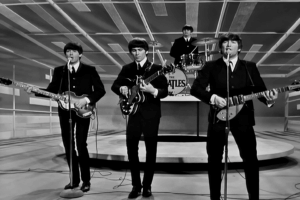
Photo by Steve Alexander, cropped CC BY-SA 2.0, via Wikimedia Commons
A good story has always been a big part of rock music. From the start, musicians used songs to tell stories, create characters, and take people on short journeys that felt much bigger than they were. Some stories were taken straight from real life. Others stemmed from dreams, phobias, or completely wild ideas that undoubtedly sounded better at 2 a.m. in a studio.
There are many songs in classic rock that feel like short movies. Some stories focus on troubled youth, lonely people, or heroes who are destined to die. Some characters end up in dark motels, outer space, or bizarre futures where everything goes terribly wrong. These stories become famous when they resonate. They stick around even when they don’t make sense, and sometimes that’s exactly because they’re so strange.
“Classic rock” on this list refers to music released between the 1960s and the mid-1990s. Yes, that includes songs that may be older than the people reading this right now, which is uncomfortable but true. Parody songs weren’t included because being silly is already their purpose. Instead, this list focuses on songs that were meant to be taken seriously—or at least somewhat seriously—but ended up telling stories that are unclear, over-the-top, or just plain odd. That doesn’t mean these songs are bad. Many of them are beloved classics. A ridiculous plot doesn’t cancel out a brilliant song, outstanding guitar work, or a chorus that refuses to leave your head. Sometimes the confusion is charming. Sometimes it adds mystery. And sometimes it just makes people stop and say, “Wait… what?”
These legendary rock songs feature stories so wild, dramatic, or strange that they’ve earned a special place in rock history.
“Escape (The Piña Colada Song)” by Rupert Holmes
Released in 1979, this is one of those songs you can’t help but know. Its easygoing pace, breezy rhythm, and tropical feel make it sound like the perfect soundtrack for a beach trip or a long drive with the windows down. It reached the top of the charts and remains popular today, still popping up in grocery stores and karaoke nights.
At first, it sounds light and fun. People talk about fruity drinks, personal ads, and love found by chance. But once the story sinks in, things start to get strange.
The song follows a man who’s tired of his relationship. Rather than talk to his partner or break things off, he secretly reads the personal ads in a newspaper. He finds one from a stranger with a very specific list of likes and dislikes. Intrigued, he responds anonymously and arranges a meeting.
At this point, it sounds like a straightforward attempt to cheat. But here’s the twist: when he arrives at the date, the mysterious stranger turns out to be his own partner. She felt just as stuck and placed the ad herself. Instead of anger or heartbreak, the two laugh it off and rediscover how well matched they really are.
In real life, this would almost certainly end in yelling, tears, and at least one person storming out. In the song, however, it’s treated as a cute misunderstanding. The emotional whiplash is part of what makes the story so absurd. A double attempt at cheating becomes a romantic reunion, complete with smiles and shared drinks. It’s catchy and endlessly replayable, but the logic exists in a bizarre universe all its own.

“Hotel California” by Eagles
Few rock songs have sparked as many debates as “Hotel California.” Released in 1976, it’s a song nearly everyone knows, whether they want to or not. The opening guitar line is instantly recognizable, setting a haunting, dreamlike, and unsettling mood.
At first, the story seems simple: a traveler checks into a strange hotel late at night. After that, things become increasingly confusing. The place is beautiful yet frightening, welcoming yet dangerous. As the song progresses, it becomes clear that leaving isn’t as easy as arriving.
For decades, listeners have tried to decode what the hotel represents. Some see it as a commentary on fame. Others interpret it as a warning about excess, addiction, or the dark side of the American dream. There are also countless theories involving cults, the supernatural, and other ominous ideas. Even without symbolism, the story itself is unsettling. The rules of the hotel don’t seem logical. Time behaves strangely. The imagery shifts from peaceful luxury to sudden menace. Characters appear and disappear without explanation.
One of the most confusing elements is the idea that guests can check out but never truly leave. That concept is chilling, but also puzzling. How does that work? Is it literal? Emotional? Or simply meant to unsettle?
The song never offers clear answers, and that may be the point. It creates an atmosphere rather than a straightforward narrative. Still, when viewed purely as a plot, it feels like a dream that doesn’t quite connect from one scene to the next. That ambiguity, however, helped make it one of the most discussed songs of all time.

“The Gift” by The Velvet Underground
This 1968 track tells one of the strangest love stories ever put to music. Unlike most songs, it’s largely spoken rather than sung, delivered over a musical backdrop. And it’s the story itself where things truly unravel.
The song centers on a young man named Waldo, separated from his girlfriend by distance. He feels lonely, anxious, and convinced she’s forgetting him. His thoughts spiral, and his jealousy grows stronger each day. Instead of addressing his emotions in a healthy way, Waldo devises a plan that defies logic. He decides to mail himself to his girlfriend in a large box as a surprise and a grand gesture of love. Somehow, this plan actually works, and the postal system transports him across state lines.
From the moment the box arrives, something feels off. His girlfriend is neither excited nor touched. She appears uncomfortable and irritated just looking at it. When she and a friend struggle to open the package, the situation takes a shocking and horrifying turn.
The story is dark, unsettling, and oddly matter-of-fact. It takes ordinary emotions like loneliness and jealousy and exaggerates them to the point of grotesque absurdity. Mailing yourself across the country is already ridiculous. Believing it will fix a failing relationship is even stranger. The song isn’t uplifting, but it’s unforgettable. Its disturbing plot lingers, proving that not all strange stories are fun—some are haunting in ways that stay with you long after the music stops.

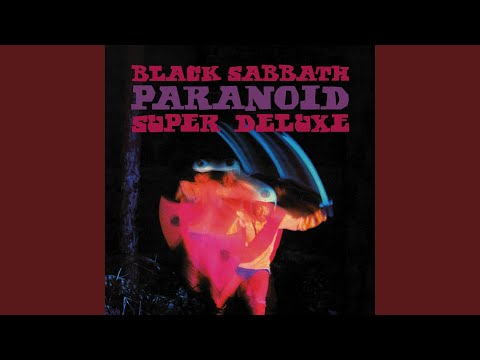
“Iron Man” by Black Sabbath
Black Sabbath released this heavy metal classic in 1970, long before superheroes dominated movie theaters. Although the song shares a name with a famous comic book character, the two have little in common.
The story follows a man who travels into the future and witnesses a catastrophic event that will wipe out humanity. He returns to the present to warn others, but something goes wrong. He transforms into a metal being, unable to speak or function like a normal person. Instead of listening to him, people fear him. Rejected and isolated, his anger grows until he realizes that, since no one will listen, he may as well become the very force he once tried to stop.
It’s dramatic and powerful on paper—and in sound. But when examined closely, the logic starts to fall apart. How does a person made of solid metal time travel? How does he think or move if he’s supposedly trapped in that form? Why is everyone terrified of him if he’s incapable of acting?
The song never addresses these questions, nor does it seem interested in doing so. Instead, it focuses on atmosphere and emotion. The confusion only amplifies the character’s rage. Not only does no one in the story understand him, but even the logic of his own existence doesn’t hold together. Despite that—or perhaps because of it—the song became a defining moment in heavy metal. Its power comes not from narrative clarity, but from raw emotion, crushing riffs, and an unstoppable sense of doom.
Why These Stories Still Matter
These songs don’t just tell unusual stories; they show commitment. No matter how strange the narrative becomes, each artist fully commits to the world they’ve created. They don’t pause to explain or tidy up the logic. They trust the music to carry the listener forward.
That freedom was vital to classic rock. Artists weren’t concerned with spelling everything out or making sure every detail made sense. They were chasing feelings, moods, and impact. Sometimes that meant telling a story that felt more like a dream—or a fever dream—than a traditional narrative. These bizarre tales have helped keep the songs alive. They invite debate, reinterpretation, and endless discussion. They make people laugh, think, or feel uneasy in ways simple lyrics can’t.
Rock music isn’t really about logic at all. It’s about emotion. And if a song can deliver that—even if the story makes no sense—it’s probably doing something right.