





Four Songs From 1989 That Changed Rock Forever
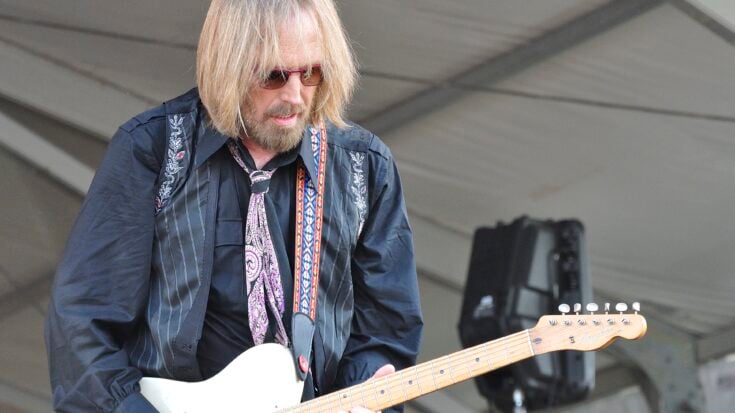
Photo by Takahiro Kyono from Tokyo, Japan, CC BY 2.0, via Wikimedia Commons
The close of any decade often feels like a turning point in music—a moment when one era fades out and another begins. That transition is rarely tidy, but 1989 stood out as a year full of endings and fresh starts. While popular music would undergo a major shift in 1990, several songs released the year before had already begun reshaping the future of rock. These four tracks from 1989 didn’t just reflect the moment—they helped redefine it.
“Free Fallin’” by Tom Petty
With his first solo album, Full Moon Fever, Tom Petty leaned heavily into the British rock influences of the 1960s, a sound he shared with producer and Traveling Wilburys bandmate Jeff Lynne. Petty later described the record as the most enjoyable project he’d ever worked on, and that sense of freedom shines through on “Free Fallin’.” The song radiates warmth and effortlessness, capturing a spirit of release. Its layered 12-string guitars feel timeless, inevitably calling to mind either Petty himself or one of his biggest inspirations, Roger McGuinn.

“Higher Ground” by Red Hot Chili Peppers
At first glance, a funk-rock cover of a Stevie Wonder song might not seem historically significant—but this track marked a major breakthrough for the Red Hot Chili Peppers. It helped bring the band, including bassist Flea, to a wider audience and introduced listeners to a young guitarist named John Frusciante. Just two years later, Frusciante would help shape Blood Sugar Sex Magik, an album that became a defining statement of the 1990s. Mother’s Milk also signaled the band’s shift toward more melodic songwriting and contributed to the broader rise of alternative rock.

“Crossfire” by Stevie Ray Vaughan
Playing the blues is deceptively simple; mastering it is something else entirely. Many musicians can navigate the basic structures, but few possess the emotional depth and technical brilliance that Stevie Ray Vaughan brought to the genre. His guitar work effortlessly blended the spirits of Jimi Hendrix, Albert King, and Freddie King. In Step, Vaughan’s fourth studio album, represented a personal and artistic rebirth following his decision to get sober. Tragically, he died in a helicopter crash the following year at just 35. His influence is immeasurable—without him, it’s hard to imagine the modern blues-rock landscape, or even the career of players like John Mayer.

“Down In It” by Nine Inch Nails
While Nine Inch Nails emerged from the industrial scene, simply labeling Trent Reznor’s music as industrial doesn’t fully capture its scope. His debut album, Pretty Hate Machine, immediately showcased a composer with a wide-ranging palette, drawing from hip-hop, funk, R&B, and the adventurous spirit of Prince. Though “Head Like a Hole” became the album’s signature song, “Down In It” revealed Reznor’s knack for catchy, danceable melodies. Beneath its dark lyrics lies an infectious groove, hinting at the provocative success of “Closer” and the emotional weight of “Hurt,” both of which would appear on The Downward Spiral and cement Nine Inch Nails’ lasting impact.




.jpg)