




Classic Rock Flops That Were Better Than Fans Remember

via "HDPinkFloyd" / Youtube
There are many legends in classic rock—musicians who made music history with songs and albums that will never be forgotten. People often think that Joni Mitchell, Paul McCartney, Elton John, and Bob Dylan are untouchable when it comes to songwriting. But even the greatest musicians have moments when a song doesn’t resonate with audiences. Not every release is a hit. Some songs never make it to the charts, and others don’t perform as well as the artist usually does. Sometimes it’s just bad timing. Other times, the music may have been too different or ahead of its time. And sometimes, people simply weren’t ready for what they heard.
But not all “flops” are failures in a creative sense. Many of them are actually excellent songs that simply didn’t receive the recognition they deserved. These tracks are worth revisiting today, even if they were once misunderstood, overlooked, or just unlucky. Here’s a closer look at some classic rock songs that didn’t perform well commercially—but are far better than their reputation suggests.
1. “That Smell” by Lynyrd Skynyrd
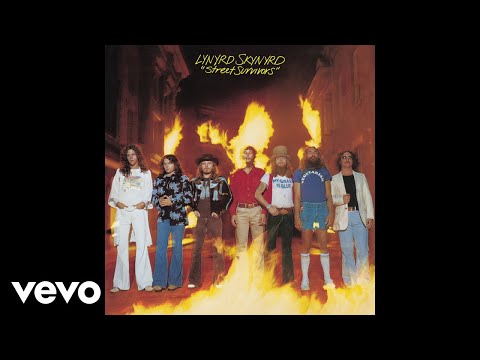
It’s hard to believe that “That Smell” never reached the top of the charts. The song was released as a single from Street Survivors and has all the elements of a great track: strong lyrics, powerful guitar work, and a deep emotional core. Timing may have played a role in its lack of commercial success. The song’s warning about excess and reckless behavior was inspired by a serious car accident involving guitarist Gary Rossington. Not long after the album’s release, the band was involved in a tragic plane crash that changed everything.
In hindsight, the song feels almost eerie, as if it were trying to say something important before it was too late. Even without that context, “That Smell” stands as a powerful piece of music. The guitars are gritty and raw, giving the track a rough, dangerous edge. Its imperfections make it feel authentic, as though it comes from real experience. The lyrics hit hard and linger, exploring the consequences of reckless living. It’s the kind of song that stays with you long after it ends, making its lack of chart success all the more surprising.
2. “I Wanna Be Your Dog” by The Stooges
Iggy Pop is often credited as one of the first true punk rock stars, but when The Stooges released “I Wanna Be Your Dog” in 1969, the world wasn’t ready for it. The track was loud, simple, and completely unpolished. Instead of following the polished sound of many rock bands at the time, it embraced distortion, repetition, and attitude. That approach proved too abrasive for many listeners and critics.
As a result, the song performed poorly commercially and received mixed early reviews. Some dismissed it as too loud or lacking creativity. Over time, however, perceptions changed. It’s now clear that “I Wanna Be Your Dog” was ahead of its time. Its raw sound and rebellious energy would go on to shape the foundation of punk rock.
The song’s strength lies in its simplicity. It doesn’t rely on complex arrangements but instead grabs attention with its attitude and unforgettable riff. There’s a raw honesty in the performance that remains compelling decades later. What was once considered a “flop” is now recognized as a groundbreaking track that helped define an entire genre.

3. “The Village Green Preservation Society” by The Kinks
By the late 1960s, The Kinks had moved far beyond their early pop hits. Songwriter Ray Davies began exploring more thoughtful and layered storytelling, and “The Village Green Preservation Society” perfectly reflects that shift. When it was released in 1968, both the song and its album received limited attention. It may have seemed too subtle or unconventional compared to other popular music at the time.
Beneath its surface, however, the song offers rich themes. It explores the preservation of tradition, culture, and simple pleasures. On one level, it feels sincere—a celebration of everyday life. On another, it carries a touch of humor and gentle satire.
This balance is what makes the track so engaging. It allows listeners to interpret it in different ways while maintaining its charm. The lyrics are clever and full of personality, showcasing Davies’ storytelling ability. Musically, the song is light and catchy, with a playful tone that complements its themes. While it wasn’t a commercial hit, it has aged remarkably well and is now regarded as one of The Kinks’ most inventive and important works.

4. “Sheep” by Pink Floyd
By the time Animals was released in 1977, Pink Floyd were already one of the biggest bands in the world. Although the album performed well, it didn’t reach the same level of mainstream success as Wish You Were Here or The Wall. As a result, songs like “Sheep” often receive less attention.
“Sheep” isn’t a typical single—it runs for over ten minutes and unfolds gradually, drawing listeners into its atmosphere. Its steady, hypnotic pace creates a sense of immersion. The song is part of a broader concept that uses animals as symbols to critique society. In this case, the “sheep” represent people who follow without questioning.
Musically, the track is full of intriguing elements. The guitars produce unusual, almost animal-like sounds that reinforce the theme. The shifting dynamics between tension and release keep the listener engaged throughout. Though it was never a major hit, “Sheep” demonstrates Pink Floyd’s willingness to experiment and push boundaries. It’s bold, unconventional, and ultimately unforgettable.

5. “Over the Hills and Far Away” by Led Zeppelin
“Over the Hills and Far Away” may not have topped the charts, but it contains everything that makes Led Zeppelin exceptional. Released on the 1973 album Houses of the Holy, the song didn’t achieve the same level of commercial success as some of the band’s earlier hits. Mixed reactions to the album at the time may have influenced its reception.
Still, the track stands as one of the band’s most complete compositions. It begins with a gentle acoustic intro that feels calm and inviting, like the start of a journey. As it progresses, it builds into a powerful electric section with soaring vocals and dynamic instrumentation. This contrast gives the song a sense of movement and keeps it engaging.
There’s a strong sense of momentum throughout, as if the song is taking the listener somewhere new. The melodies are immersive, and the pacing flows effortlessly. Many fans consider it a favorite, even if it didn’t chart highly. By blending the band’s softer and heavier sides, the song captures their versatility in a way that feels natural and exciting. It’s a perfect example of how chart performance doesn’t always reflect a song’s true quality.

In the End
Even the most iconic classic rock bands have songs that didn’t perform well commercially. However, these examples show that chart success isn’t always a measure of quality. Tracks by Lynyrd Skynyrd, The Stooges, The Kinks, Pink Floyd, and Led Zeppelin often took creative risks—whether through new sounds or more complex ideas.
Those risks are part of what makes these songs so compelling today. Musical tastes evolve, and songs that once failed to connect with audiences can find new appreciation over time. That’s one of the joys of revisiting older music: discovering hidden gems that may have been overlooked.
So the next time someone calls a song a “flop,” it’s worth giving it another listen. You might find that it has far more to offer than its reputation suggests.