Bob Weir and Don Was on Keeping the Grateful Dead’s Spirit Alive
via CBS Sunday Morning / Youtube
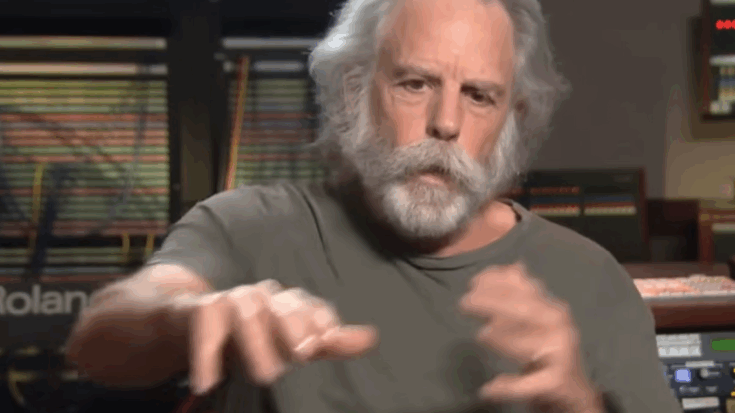
Bob Weir never stopped moving forward. Even in the final years of his long and successful career, he continued exploring new sounds, finding new ways to collaborate, and reinventing old songs. He remained creative because he stayed curious—a trait many musicians lose once they reach fame.
In his later years, Weir pursued multiple projects, including touring with former members of the Grateful Dead. He played his final live shows with Dead & Company, the band he helped form in 2015, in August 2025. The ensemble included longtime Grateful Dead drummers Mickey Hart and Bill Kreutzmann, alongside newer members like guitarist and singer John Mayer, bassist Oteil Burbridge, and keyboardist Jeff Chimenti. Together, they preserved the spirit of the Dead’s music and introduced it to a new generation.
Dead & Company was a natural fit for someone with Weir’s experience, but he never sought comfort. He continually sought challenges, adventures, and ways to push himself creatively. Following his death, tributes poured in from musicians around the world, highlighting his kindness, innovation, and generosity. Producer and bassist Don Was also played a key role in Weir’s career, helping connect him with John Mayer to launch Dead & Company. Was wasn’t just behind the scenes—he often joined Weir on stage as well.
The Birth of Bobby Weir & Wolf Bros
In 2018, Weir reunited with Don Was and drummer Jay Lane to form a new band: Bobby Weir & Wolf Bros. The project quickly became something special. Its simple structure allowed Weir to reinterpret familiar songs in fresh, free, and open ways. Over time, the group expanded and grew more ambitious.
Keyboardist Jeff Chimenti added depth and texture, while Greg Leisz contributed pedal steel guitar and other instruments that broadened the band’s sound. The addition of the Wolfpack—a group of horns and strings—further elevated the project, and performances at festivals like Willie Nelson’s Outlaw Music Festival introduced Wolf Bros to new fans.
What set the project apart was its adaptability. Arrangements evolved constantly, and lineups shifted depending on the venue. By 2022, the band had reached another milestone by performing with full symphony orchestras. Weir avoided being confined to one style, blending rock, folk, jazz, and classical music seamlessly.
Plans were reportedly in place for continued collaborations as far into the future as 2026, demonstrating Weir’s foresight and relentless curiosity. Even after decades of success, he remained eager to explore what came next.
Learning the Power of Restraint and Listening
At the same time, Weir continued on musical adventures. He toured with the Pan-Detroit Ensemble, formed to celebrate the 50th anniversary of the Grateful Dead’s album Blues for Allah. While the tour began joyfully in October, reflections on Weir’s passing later gave the performances added emotional weight.
During concerts in Ann Arbor, Michigan, the songs themselves didn’t change, but their meaning deepened with memories and tributes. In a 2022 interview, musicians reflected on how working with Weir shaped their own approach. Initially unsure of his role—stepping into spaces once filled by melodic bassists—Weir quickly established that he didn’t want to dominate or perform showily.
Instead, he embraced restraint. He focused on serving the music, allowing silence and space to carry as much power as the notes themselves. For Don Was, this approach meant learning when to step back, play only what was necessary, and trust that quiet could be as impactful as sound. This philosophy influenced how the band interacted with singers, using long, steady notes or soft musical echoes to complement the vocals rather than compete with them.
Each performance was unique. Songs were rarely played the same way twice, and even successful arrangements could be reimagined the next night. The band approached each show with fresh ears and open minds, listening closely to one another, sitting with chords, and letting the music unfold naturally. Weir sang only when the moment felt right, creating performances that were authentic, alive, and full of surprises.
By collaborating with Weir, musicians learned patience, discernment, and the value of trust. Great music, he demonstrated, doesn’t always come from doing more—it often comes from knowing when to step back. For most of his life, Bob Weir remained curious, receptive, and committed to growth, leaving a legacy not only in his music but also in his approach to collaboration. Even in his later years, he reminded the world that there is always a new groove to discover.