




’60s Classic Rock Songs That Are Worth Serious Money Today

Some songs never really fade away. They simply keep playing—on the radio, in movies, at weddings, on road trips, and now on streaming apps. A handful of classic rock hits from the 1960s have done more than just stick around. They’ve quietly built fortunes. These tracks aren’t valuable only because they’re nostalgic. Yes, they bring back memories for baby boomers who grew up with them blasting from car radios. But they also helped shape modern pop and rock music. Younger generations continue to discover them, add them to playlists, and play them on repeat. Decades later, they’re still generating serious money.
The formula is simple: the more a song connects with people, the longer it lives. And the longer it lives, the more revenue it earns. Album sales. Greatest-hits collections. Radio airplay. Movie placements. Commercials. Streaming numbers. Licensing deals. It all adds up—sometimes to jaw-dropping totals. Here are five classic rock songs from the 1960s that didn’t just top the charts. They became long-term earners worth a head-turning amount of money.
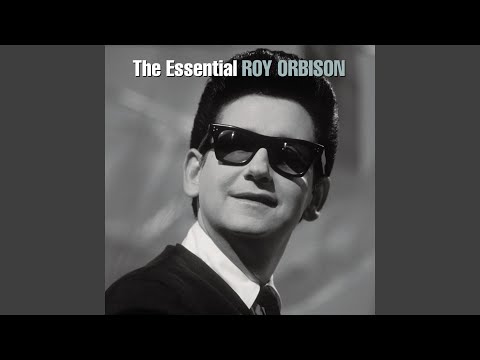
“Oh, Pretty Woman” by Roy Orbison
When Roy Orbison released “Oh, Pretty Woman” in 1964, it didn’t take long for the song to explode. Within weeks of hitting the charts, it climbed to number one and stayed there for three weeks. That kind of rapid ascent usually signals something special—and this track had staying power.
It didn’t just sell well during its initial run. It kept selling. The song quickly earned gold status for moving half a million copies, a significant milestone at the time. Then came the second wave of earnings through greatest-hits albums. Orbison’s compilations consistently featured the track, many of which went gold or platinum themselves. What really kept the money flowing, however, was Hollywood.
In 1990, the romantic comedy Pretty Woman, starring Julia Roberts and Richard Gere, became a blockbuster. The film’s title came directly from Orbison’s song, which played a major role in its marketing and soundtrack. The soundtrack album alone sold millions of copies, introducing the song to a new generation. That exposure wasn’t a one-time boost. “Oh, Pretty Woman” has been licensed for more than 100 films and television shows over the years. Each appearance generates licensing fees, which can be substantial for a song that instantly sets a mood. By the 2010s, the track was reportedly still earning around six figures annually in royalties. A BBC documentary estimated that by 2013, the song had generated at least $18 million in total revenue—a figure that has only grown since. Not bad for a tune written in a moment of inspiration.
“Fortunate Son” by Creedence Clearwater Revival
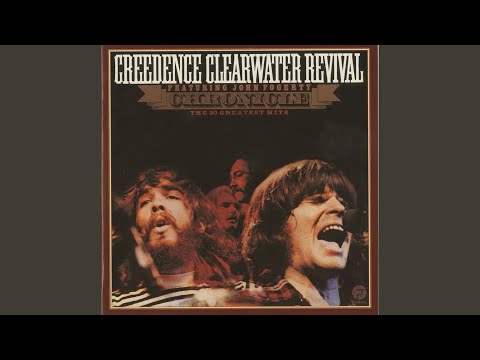
Few protest songs have aged as powerfully as “Fortunate Son.” Released in 1969, the track criticized class privilege during the Vietnam War era. Frontman John Fogerty wrote it as a sharp rebuke of how wealthy families often avoided the draft while others were sent to fight.
Ironically, a song aimed at challenging the powerful became a financial powerhouse itself. Although it peaked at number 14 on the charts, its impact far exceeded its chart position. As a single from the album Willy and the Poor Boys, it sold millions of copies. It later became a centerpiece of the band’s hugely successful compilation Chronicle: The 20 Greatest Hits, which has sold tens of millions of copies worldwide.
Then came the movie placements. If you’ve watched a film set during the Vietnam War, chances are “Fortunate Son” was playing during a helicopter scene. The song has become shorthand for the era. It has appeared in roughly 70 films and television shows, each use generating licensing revenue. On streaming platforms, it continues to thrive. With more than 1.8 billion plays on Spotify alone, it remains one of the most-streamed classic rock songs ever. That level of digital longevity ensures a steady stream of royalties year after year. What began as a fiery protest anthem has become one of the most financially successful songs of its era, proving that strong messages and strong melodies can coexist.
“Brown Eyed Girl” by Van Morrison
Few songs feel as instantly joyful as “Brown Eyed Girl.” That bright guitar intro alone is enough to spark a smile before the lyrics even begin. Released in 1967, it became Van Morrison’s first major solo hit after leaving his earlier band, Them.
The song cracked the Top 10 and quickly became a radio favorite. Unlike many hits from that era, it never left rotation. In fact, “Brown Eyed Girl” ranks among the most-played songs in American radio history. By 2020, it had reportedly been played more than 13 million times on U.S. radio stations, with each spin generating performance royalties.
The single sold over one million copies, earning platinum certification. But the real value came from its longevity. It remains a staple at weddings, backyard parties, and nostalgic film scenes. It appears consistently on classic rock playlists and streaming platforms. On Spotify, the song has surpassed 1.4 billion streams, far outpacing most of Morrison’s other recordings. That level of streaming dominance provides steady digital income on top of decades of traditional royalties. For a simple, feel-good love song, “Brown Eyed Girl” has become a remarkably reliable earner—and proof that happiness can be highly profitable.
“Hey Jude” by The Beatles
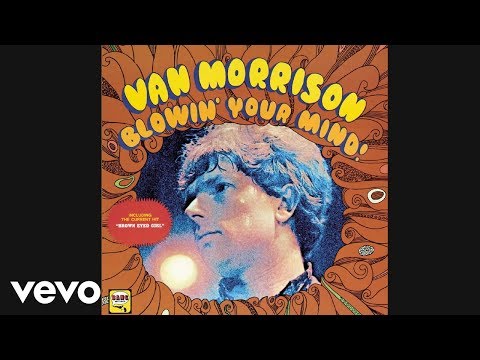
When discussing money-making songs, it’s impossible to overlook The Beatles. Among their many hits, “Hey Jude” stands tallest. Released in 1968, the song spent nine weeks at number one in the United States, longer than any other track that year. Written primarily by Paul McCartney, it was intended to comfort Julian Lennon during his parents’ divorce. That emotional core gave the song heart, while its extended singalong finale gave it universal appeal.
It became the band’s best-selling single, moving roughly four million copies during its initial release. And that was only the beginning. Over the decades, “Hey Jude” has remained a fixture on Beatles compilations, anniversary editions, and remastered releases. On streaming platforms, it has accumulated hundreds of millions of plays and continues to perform strongly in the digital era.
The song’s cultural value extends beyond music sales. In 2020, McCartney’s handwritten lyric sheet for “Hey Jude” sold at auction for nearly $1 million. That price reflects not just nostalgia, but historical importance translated into real money. Between physical sales, streaming, radio airplay, and licensing, “Hey Jude” has generated millions upon millions of dollars. It isn’t just one of the most beloved songs ever recorded—it’s one of the most financially successful.
“California Dreamin’” by The Mamas & the Papas
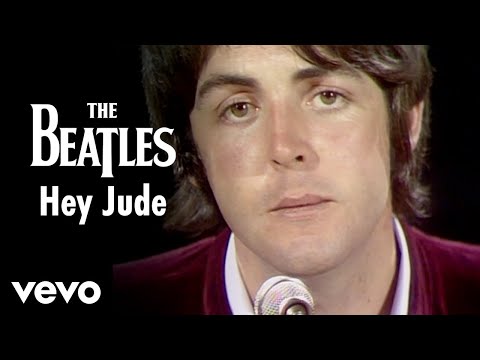
“California Dreamin’” captures a feeling that never goes out of style: the desire to be somewhere warmer, brighter, and better. Released in 1965, it became the breakthrough hit for The Mamas & the Papas.
Blending folk-inspired songwriting with lush harmonies and polished 1960s production, the song peaked at number four on the charts. Its impact, however, extended far beyond its original chart run. The single sold more than three million copies in the United States alone and became a cornerstone of compilation albums that continued selling for decades.
Like the other songs on this list, it found a second life in film and television. Its dreamy, slightly melancholic tone makes it ideal for scenes about longing or transition. That steady stream of licensing deals has significantly boosted its overall value. On Spotify, “California Dreamin’” has surpassed 1.2 billion streams, dramatically outperforming most of the group’s other recordings. It remains their definitive song by a wide margin. For a track about daydreaming, it has done some very real financial heavy lifting.
Why These Songs Keep Paying Off
What makes a song worth tens of millions of dollars? It isn’t just chart position. Some of these tracks weren’t even the biggest hits of their respective years. The real secret is endurance. These songs crossed generations. They work on vinyl, CDs, iPods, and streaming platforms. They fit naturally into movies, commercials, and television shows. They spark nostalgia without feeling dated.
Every play, every download, and every licensing agreement feeds into a complex royalty system that benefits performers, songwriters, publishers, and record labels. When a song continues to be discovered by new listeners, the income never truly stops. The 1960s produced countless classics, but only a select few became long-term financial giants. “Oh, Pretty Woman,” “Fortunate Son,” “Brown Eyed Girl,” “Hey Jude,” and “California Dreamin’” aren’t just timeless hits. They’re music-industry gold mines—and judging by today’s streaming numbers, they’re far from finished earning.