’70s Rock Songs So Corny They Still Make Fans Cringe
Every decade has its musical highs and lows. The 1970s gave the world arena rock, disco fever, unforgettable guitar solos, and some truly legendary albums. But it also delivered songs so sugary, awkward, or over-the-top that they still make people cringe a little when they come on the radio. Corny music is hard to define, but most listeners recognize it instantly. It usually features cheesy lyrics, overly dramatic delivery, and a kind of wide-eyed confidence that feels just a bit misplaced. Sometimes it sounds rushed. Other times it feels like the artist thought, “Eh, that’s good enough,” and called it a day. And in the 1970s, a few rock hits leaned so far into corniness that they practically sprouted kernels.
To be fair, some of these tracks do have fans. A few might even be secret favorites that people enjoy when nobody else is around. There’s no shame in that. But let’s just say these songs are best played with the windows closed and the volume low. Here are a handful of 1970s rock songs that crossed the line from catchy to cringe.
“Georgy Porgy” by Toto
Before Toto became widely known for “Africa” and its dramatic love letter to a continent, they released “Georgy Porgy” in 1978. And wow—this one is a head-scratcher. The song borrows from the old nursery rhyme about Georgy Porgy kissing girls and making them cry. That alone is a strange starting point for a grown-up soft rock track. Instead of cleverly reinventing the rhyme, the band repeats it—often. So often, in fact, that listeners might wonder if they’ve accidentally tuned into a preschool singalong with a funky bass line.
The verses don’t help much. They hint at heartbreak and regret, but nothing feels clear. Is the singer a reformed ladies’ man? Is he upset because someone treated him the way he once treated others? It’s all vague. The chorus keeps circling back to the nursery rhyme as if it’s the emotional center of the universe. Musically, the song is smooth but somewhat flat. There’s a groove, sure, but it lacks the spark that made Toto’s later hits soar. The energy feels stuck in second gear, never quite taking off. The result is a track that sounds polished but oddly empty. It’s not the worst song ever recorded, but it feels like a strange choice from a band that later proved it could do much better.

“Love Will Keep Us Together” by Captain & Tennille
It’s almost impossible to dislike Captain & Tennille as people. They came across as kind, upbeat, and genuinely happy to be making music together. Their chemistry was obvious. But their biggest hit, “Love Will Keep Us Together,” is a sugar rush that can leave some listeners feeling slightly queasy.
Released in 1975, the song became a massive success. It’s bright, bouncy, and undeniably catchy. Beneath the shiny surface, though, it feels a little too easy. The musicianship is solid, but it never sounds like anyone is pushing themselves. The keyboard parts are pleasant but simple. The vocals glide along without much intensity. Everything feels safe—almost overly comfortable. Then there are the lyrics. The song revolves around the idea that love alone will magically solve relationship problems. Other women may flirt. Temptations may appear. But don’t worry—love will take care of it.
That’s sweet in theory. In real life, however, relationships usually require more than good vibes and a smile. They demand effort, compromise, and sometimes difficult conversations. For some listeners, the song’s optimism feels charming. For others, it sounds like whipped topping instead of a real meal. It’s catchy, yes—but it’s also a little too shiny to take seriously.

“It Never Rains in Southern California” by Albert Hammond
On paper, “It Never Rains in Southern California” could have been a powerful story song. It’s about chasing dreams, falling short, and realizing that sunny places don’t guarantee happiness. That’s a relatable theme. But when Albert Hammond released the song in 1972, the execution leaned heavily into melodrama.
The lyrics compare personal struggles to stormy weather, which isn’t exactly groundbreaking imagery. Lines about how “it pours” when things go wrong don’t feel poetic—they feel obvious. Instead of cutting deep, the song spells everything out with the subtlety of a soap-opera cliffhanger.
The background strings and backing vocals add even more drama, swelling and swooping in ways that make the whole track feel overly sentimental. It’s like the musical equivalent of someone sighing dramatically while staring out a rain-soaked window. Ironically, the song was inspired by real hardship. Hammond struggled early in his career and even found himself broke and asking relatives for help. That’s powerful material, but the final product feels more polished than personal and more theatrical than raw. It became a hit, and many people still sing along, but it’s hard not to smile awkwardly at some of those lyrics.

“Cat Scratch Fever” by Ted Nugent
When it comes to swagger, Ted Nugent never held back. “Cat Scratch Fever,” released in 1977, is built around a strong guitar riff and plenty of attitude. Musically, it has bite. Lyrically, that’s another story.
The song leans heavily into double meanings. “Cat” becomes slang. “Fever” becomes something else. It’s meant to be edgy and provocative. Instead, it often sounds lazy. Rock music has always had room for songs about sex—that’s part of the genre’s DNA. But clever writing makes a difference. “Cat Scratch Fever” repeats its central joke so often that it drains away whatever shock value it might have had.
Nugent’s guitar playing is undeniably skilled. He can shred with the best of them. But even impressive riffs can’t fully distract from lyrics that feel like they were dashed off in a few minutes just to stir controversy. Over time, the song has become one of his most recognizable tracks. It also stands as an example of how relying on innuendo alone doesn’t guarantee lasting respect. Sometimes shock just ends up sounding silly.

“Make It with You” by Bread
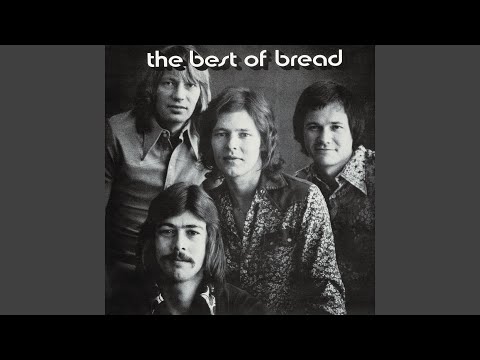
Bread specialized in soft rock so gentle it nearly floats away. In 1970, “Make It with You” climbed to the top of the charts. It’s smooth. It’s calm. It’s extremely mellow—perhaps too mellow. The title hints at romance, maybe something more, but the lyrics are so bland it’s hard to imagine anyone feeling truly swept away. Lines about dreams and life drift by without much impact. They sound thoughtful at first, but repeated listens reveal how generic they really are.
Lead singer David Gates delivers the lyrics in a soft, airy tone that never rises above a polite murmur. The instrumentation follows suit. Nothing clashes, but nothing truly stands out either. Some listeners find that soothing. Others find it soporific. There’s a fine line between subtle and dull, and “Make It with You” walks that line very carefully—occasionally tripping over it. The song isn’t offensive. It’s simply so mild that it barely leaves a mark. For a track that topped the charts, it feels oddly weightless.
Why These Songs Still Matter
Here’s the funny thing: even the corniest songs can have staying power. They remind people of a specific time. They show up on old playlists. They spark debates about what qualifies as “good” music.
The 1970s were a wildly creative decade. Artists experimented with new sounds, bold fashion, and big emotions. Sometimes that boldness led to masterpieces. Other times, it produced songs that feel awkward decades later. Still, there’s something oddly lovable about that. Corny songs often come from a place of complete sincerity. The artists believed in what they were doing. They weren’t trying to be ironic or clever. They simply went for it.
That fearless enthusiasm is part of what made 1970s rock so memorable. Even when it missed the mark, it did so loudly and unapologetically. Yes, these tracks might make listeners wince with secondhand embarrassment, but they also tell the story of a decade when musicians weren’t afraid to embrace big feelings, obvious metaphors, and unapologetic cheese. Sometimes that’s cringe-worthy. Sometimes it’s charming. And sometimes, it’s both at the same time.