




Sean Lennon Sets Record Straight on John Lennon Controversy
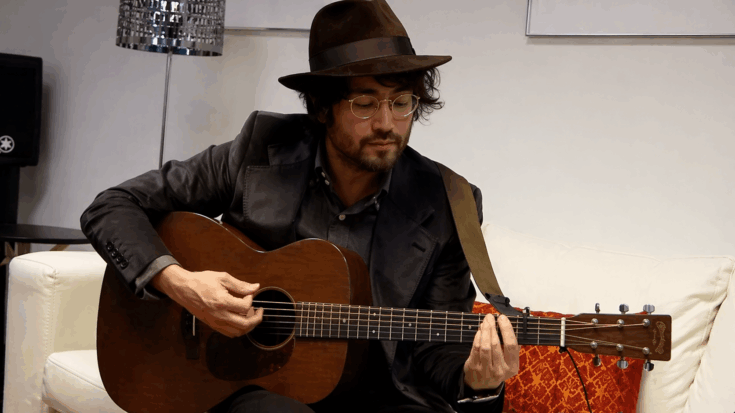
via "Tim Chipping" / Youtube
In an era where historical moments are constantly reinterpreted through modern lenses, Sean Ono Lennon has stepped forward to challenge a resurfacing critique of one of the most iconic protests of the 20th century. Taking to X (formerly Twitter), he addressed claims that his parents, John Lennon and Yoko Ono, undermined their anti-establishment stance during their 1969 Bed-In by allowing hotel staff to make their bed.
The criticism, sparked by a circulating photo, framed the act as hypocritical. Sean rejected that interpretation outright. “There is zero irony in letting a maid do her job,” he said. “Thinking otherwise is a very goofy take. They were not protesting maid service.”
Breaking Down Irony: Pop Culture Meets Protest
Rather than stopping at rebuttal, Sean expanded the conversation into a broader critique of how people misunderstand irony itself. Drawing on Alanis Morissette’s Ironic as a cultural touchpoint, he explained: “Many people don’t seem to know what irony is,” he continued. “As the Alanis song should have taught you, ‘rain on your wedding day,’ is NOT actually ironic, it’s just a bummer. But getting married in a divorce court? Now THAT would be ironic.”
He then applied that reasoning directly to the Bed-In, reframing the criticism as a category error. “So protesting a war while being in a honeymoon suite with maid service is not irony, it is absurdity, or comedy,” he explained. “To be ironic they would have to have protested the war while driving a tank. Now THAT would’ve been ironic.”
The Bed-In Revisited: Strategy Behind the Spectacle
Sean’s remarks also revive discussion around the original intent of the Bed-In—an event often remembered more for its imagery than its strategy. Staged during the height of the Vietnam War, the protest was conceived as a media-savvy alternative to traditional demonstrations.
Following their March 1969 wedding, Lennon and Ono anticipated intense global press coverage. Instead of resisting it, they redirected it. Their first Bed-In took place at the Amsterdam Hilton Hotel, where they invited journalists into their suite from morning to evening, transforming private space into a platform for public dialogue.
A second installment at the Queen Elizabeth Hotel expanded the concept. There, in Room 1742, they recorded Give Peace a Chance with a chorus of activists—turning the protest into a participatory cultural artifact that would resonate globally.
Later that year, their campaign expanded beyond hotel walls and into the public sphere through a series of billboards in major cities around the world. Each carried a stark, direct message:
“WAR IS OVER! If You Want It – Happy Christmas From John and Yoko.”
Decades on, the Bed-In remains a subject of fascination and debate. But as Sean Ono Lennon’s defense makes clear, its meaning was never rooted in rigid symbolism. Instead, it thrived on contradiction, performance, and the deliberate bending of expectations—hallmarks of the very culture his parents sought to influence.