




3 Rock Artists Who Disappeared After Delivering One Perfect Album
People often talk about artists who arrive, change everything, and then leave before anyone can fully get used to them. In rock music especially, long careers are frequently seen as the ultimate sign of success. The usual path is to spend decades on the road, release album after album, and embark on tour after tour. But not everyone wants to live that way. Some artists shine brightly and briefly. They make one record that feels complete, powerful, and nearly impossible to surpass. Then they step away.
They seemed to understand a secret: sometimes it is best to leave people wanting more. The three rock artists below did not release many albums or spend thirty years chasing radio hits. Instead, each delivered a single studio record that made a profound impact. Together, they prove that a short run can still leave a lasting mark.
The Sex Pistols
In the 1970s, punk rock did not quietly ease its way into the music world. It kicked the door down, and much of that explosion can be traced back to one band and one album. Many people are surprised to learn that this British group released only one official studio album during its original run. Given how frequently their songs are played and how enduring their image remains, it almost feels impossible. Yet Never Mind the Bollocks, Here’s the Sex Pistols was enough to cement their place in rock history forever.
Released in 1977, the album sounded unlike anything else at the time. Rock music had grown large and elaborate, with extended guitar solos and increasingly complex arrangements. The Sex Pistols arrived with short, loud, confrontational songs that felt raw and urgent. The record challenged politics, social norms, and even the monarchy. It did not ask for attention politely; it demanded it. The guitars were sharp, the vocals were sneering, and the message was unmistakable: rules were meant to be broken.
The album angered many listeners, but it also sparked a movement. Young musicians around the world realized they did not need technical perfection to start a band. Passion and conviction were enough. That mindset helped define punk rock for years to come.
Behind the scenes, however, the band was plagued by internal conflict. Arguments among members, management issues, and the pressure of sudden fame took their toll. After a U.S. tour in early 1978, the group fell apart.
Later reunions followed, but only one album remained from their original creative burst. That single record became a symbol of rebellion and youth culture, influencing countless musicians. Rather than spreading their impact across multiple releases, they made one unforgettable statement. Imperfect, chaotic, and alive, it remains powerful precisely because they never stayed long enough to dilute it.
Blind Faith
In rock music, the term “supergroup” usually comes with enormous expectations. When well-known musicians from successful bands unite, fans assume something extraordinary is about to happen. That was certainly the case in 1969, when Eric Clapton, Steve Winwood, Ginger Baker, and Ric Grech came together. Each had already established a strong reputation, and their collaboration felt like a dream team.
The group formed and disbanded within the same year, a fact that speaks volumes about the intensity and brevity of their existence. During that short time, they recorded and released one album, Blind Faith. It debuted at number one in both the United States and the United Kingdom and was a commercial success. Songs like “Can’t Find My Way Home” and “Presence of the Lord” revealed a gentler, more reflective side of rock, blending blues, folk, and early elements of what would later dominate classic rock radio.
Not everything surrounding the album went smoothly. The original cover art sparked controversy and criticism, leading to alternative designs in later pressings. Creative tensions also surfaced within the band. As with many supergroups, strong personalities and differing artistic visions made long-term collaboration difficult.
Touring only intensified the strain. Expectations were enormous, and audiences wanted not just a good show, but something historic. That pressure proved exhausting. After only a few months, the band chose to walk away.
Although their time together was brief, the album remains a snapshot of a unique moment in music history. It captures the adventurous spirit of the late 1960s, filled with soul and possibility. Listeners continue to return to it not just because of the famous names involved, but because the songs themselves endure. There were no disappointing follow-ups, only one record that stands alone.
Jeff Buckley
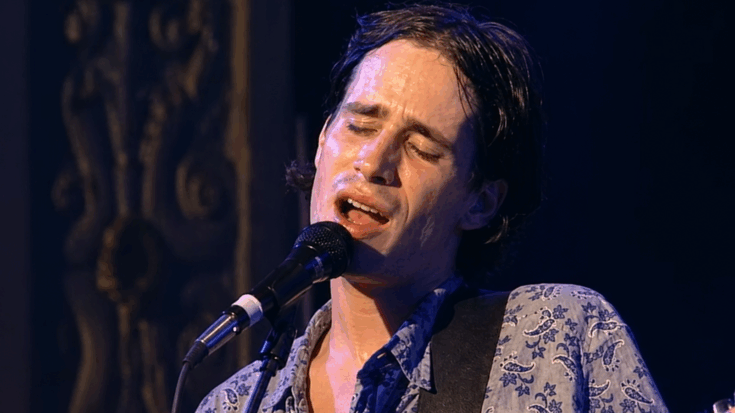
Some artists leave a deep emotional impression without releasing a large body of work. Jeff Buckley is one of them. He is often remembered for his haunting cover of Leonard Cohen’s “Hallelujah,” which introduced his voice to millions and continues to appear in films, television shows, and tribute playlists. Yet he was far more than a one-song wonder.
Buckley released only one full studio album during his lifetime, Grace, in 1994. It did not dominate the charts immediately, instead gaining recognition gradually. At the time, grunge and alternative rock dominated the mainstream. Buckley’s music blended rock with folk, soul, and hints of jazz. His voice could shift from a whisper to a powerful cry in seconds. The album showcased remarkable emotional depth and songwriting maturity. Tracks like “Lover, You Should’ve Come Over” explored love, longing, and self-doubt with striking honesty.
Tragically, Buckley died in an accident in 1997 at the age of thirty. After his death, interest in his music grew significantly. Listeners who had overlooked Grace began to recognize its beauty. Over time, it earned a devoted following and is now widely regarded as a classic. Much of its emotional power lies in the sense of unrealized potential. Fans often wonder what he might have created had he lived longer. Even so, his influence remains undeniable.
Grace feels timeless. It does not belong to a specific era or trend, but instead reflects something deeply human. The emotions are sincere, the arrangements rich, and the performances fearless. The fact that Buckley left behind only one album makes it feel even more precious. There is no filler, no uneven discography, just one carefully crafted work that listeners continue to rediscover.
The Strength of One
The music and stories of these three artists are very different. One ignited a punk revolution. Another united rock veterans in a short-lived supergroup. The third created an emotionally profound album that showcased extraordinary vocal talent.
What they share is a sense of artistic finality. Some musicians spend decades searching for the perfect record. These artists seemed to find it immediately, or at least close enough to define their legacies. Whether by choice, circumstance, or tragedy, they never added more chapters to their discographies. Yet their work endures. New listeners continue to discover and appreciate their music, proving that limited output does not diminish impact.
There is something uniquely powerful about leaving behind a focused, lasting legacy. One album. One clear statement. No dilution. Rock history is filled with long-running bands and massive catalogs, but often the most unforgettable impressions come from those who said everything they needed to say in a single release. These artists remind us that brilliance is not measured by quantity. Sometimes, one extraordinary album is enough.