3 Rock Acts From the 1980s Who Scored One Massive Hit—Then Faded Away

The 1980s produced no shortage of one-hit wonders—artists who briefly dominated the airwaves before fading from the mainstream. In many cases, their disappearance wasn’t due to a lack of talent. Several acts released strong follow-up material that simply failed to gain traction, leaving them unfairly labeled as fleeting novelties. Below are a few ’80s one-hit wonders who slipped from the charts but arguably deserved a longer stay.
Timbuk 3
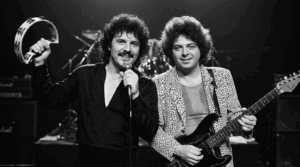
Timbuk 3, an American duo blending folk rock with hints of new wave, formed in 1983 and remained active well into the mid-1990s. They are best remembered for their 1986 debut single, “The Future’s So Bright, I Gotta Wear Shades,” which reached No. 19 on the Billboard Hot 100 and performed well internationally.
Despite the song’s success, the group never returned to the Hot 100. Their second album, Eden Alley (1988), peaked at No. 107 in the U.S., and while a handful of later tracks found modest success on the Mainstream Rock chart and overseas, none broke through in a major way. Far from vanishing, Timbuk 3 continued releasing music for years, though mainstream recognition never caught up with their ambition or output.

Rockwell
Rockwell’s place in pop history is firmly tied to “Somebody’s Watching Me,” the 1983 hit featuring backing vocals from Michael Jackson. The single climbed to No. 2 on the Billboard Hot 100 and became one of the decade’s most recognizable songs.
That success, however, proved difficult to replicate. A few minor chart appearances followed, but none came close to matching his breakout hit. By the end of the 1980s, Rockwell—who had been signed to Motown—stepped away from the music industry altogether, later focusing his efforts on philanthropy. While his chart career was brief, “Somebody’s Watching Me” has endured as a lasting pop culture staple.

The Vapors
British band The Vapors were firmly rooted in the new wave movement and scored their biggest hit with “Turning Japanese” in 1980. The song reached No. 36 on the U.S. Billboard Hot 100 and climbed to No. 3 in the U.K., making it their signature track on both sides of the Atlantic.
Despite the song’s popularity, it remained their only Top 40 hit in the U.K. and their sole appearance on the U.S. singles chart. The band disbanded in 1982, just a few years after their rise, though they have since reunited. While their time in the spotlight was short, “Turning Japanese” continues to define an era of new wave and power pop.