





Why ‘Eye in the Sky’ Became One of the Alan Parsons Project’s Defining Albums
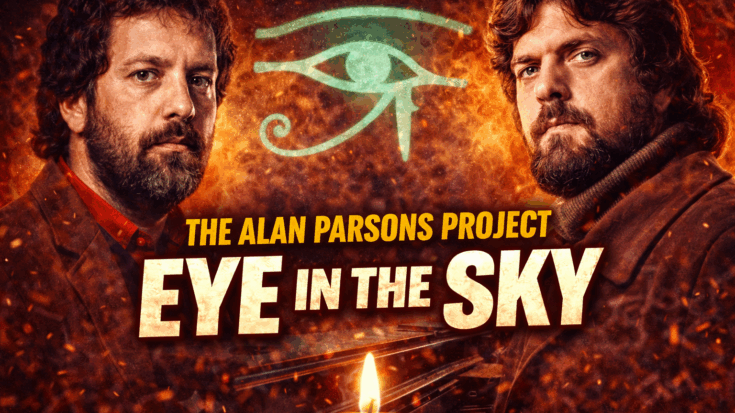
When punk, new wave, and the burgeoning sounds of heavy metal were shaking up rock music in 1982, Eye in the Sky by The Alan Parsons Project arrived like a calm breeze in the middle of a storm. While many bands were leaning toward louder guitars and sharper attitudes, Alan Parsons and his creative partner Eric Woolfson chose smooth melodies, meticulous production, and songs designed to linger in the listener’s memory.
The result became the group’s biggest commercial success. Decades later, the album remains instantly recognizable, especially for its dramatic instrumental opener, “Sirius.” Play those bold, rising notes almost anywhere and someone is bound to smile. They may not know the title, or even who recorded it, but they know they’ve heard it before.
In the United States, that familiarity is often tied to basketball. “Sirius” famously introduced the Chicago Bulls during their championship run in the 1990s, becoming inseparable from the era of Michael Jordan. Since then, the track has appeared in commercials, television shows, corporate events, and even hip-hop songs—an instrumental that enjoyed a second life well beyond its original context.
Parsons has frequently spoken about his surprise at how far the song traveled. What began as a moody, atmospheric introduction evolved into a full-blown anthem. Still, Eye in the Sky is far more than its famous opening. The sleek, slightly mysterious title track was a major radio hit in the early 1980s, while “Old and Wise,” sung by Colin Blunstone of The Zombies, delivers a poignant sense of reflection that continues to resonate.
Years later, the album received renewed attention when Parsons’ surround-sound remix won a Grammy for Best Immersive Audio. After numerous nominations over a long career as a producer and engineer, the honor felt overdue—a moment of recognition for someone who had shaped classic records long before launching his own “Project.”
A Carefully Crafted Soundscape
Eye in the Sky unfolds like a meticulously planned soundscape. The production is glossy without feeling cold; every keyboard line, drum hit, and guitar phrase sits exactly where it should. Parsons’ reputation as a studio perfectionist is evident throughout.
“Sirius” flows seamlessly into the title track, creating a cinematic opening akin to movie credits easing into a narrative. While earlier Alan Parsons Project albums leaned more heavily into progressive rock complexity, this release favors mood and melody over technical showmanship. Some longtime fans noticed the shift immediately.
For many listeners, that sleeker approach works beautifully. Beneath the surface are layered harmonies, shimmering synthesizers, and steady, confident drumming. Tracks like “Psychobabble” inject energy through driving rhythms and interlocking bass and keyboard lines, while the instrumental “Mammagamma” pulses with electronic beats well suited to late-night radio or sports arenas.
At the time, the album felt tailor-made for FM radio—music for nighttime drives and city lights. It wasn’t abrasive or confrontational, instead inviting listeners to relax and let the sound wash over them. The title single thrived on “lite rock” stations, broadening the band’s audience beyond progressive rock circles. Its smooth groove and catchy chorus masked lyrics that hinted at emotional distance, giving the song a subtle edge beneath its polished surface.
Criticism and Divided Opinions
Not everyone was convinced. Some critics felt Eye in the Sky played things too safely, especially when compared with the raw intensity of early-1980s punk and new wave. Its refined arrangements and controlled performances struck some as dated almost immediately.
Others praised the production but found the emotional range too restrained. The album rarely reaches dramatic peaks or gritty lows, choosing instead to remain elegant, steady, and lyrical—an approach that appealed to some and left others wanting more.
Legacy and Enduring Appeal
Fans have long been divided, though rarely hostile. Few seem to dislike Eye in the Sky outright, even if not everyone considers it a masterpiece.
For listeners who grew up in the early 1980s, the album is steeped in nostalgia—college radio, cassette tapes, and late-night listening sessions. Some only knew the hits at first and explored the full album years later, discovering deeper cuts like “Silence and I” or “You’re Gonna Get Your Fingers Burned,” with their intricate arrangements and replay value. Others feel the momentum slows after the explosive opening, viewing parts of the record as pleasant but unobtrusive background music.
One recurring discussion point is the rotating cast of vocalists. Without a single, identifiable lead singer, the album gains variety but can also feel fragmented to some ears. Still, nearly everyone agrees on certain highlights. “Old and Wise” is widely regarded as the emotional centerpiece, closing the album with quiet grace and a memorable saxophone solo. Ian Bairnson’s tasteful guitar work adds depth throughout, while the rhythm section keeps everything grounded, allowing keyboards and orchestration to shine.
Over time, Eye in the Sky has aged gracefully. Unlike records tied closely to fleeting trends, it exists in its own polished space, avoiding many of the clichés that date other early-1980s releases. It may not demand attention or spark controversy, but its understated confidence makes it endlessly revisitable.
Commercially, it remains the defining success of Alan Parsons’ career. Later albums followed, but none matched its cultural reach. “Sirius” still echoes through arenas, the title track continues to spin on classic rock radio, and “Old and Wise” keeps finding new listeners who connect with its message.
More than forty years on, Eye in the Sky remains exactly what it set out to be: a smooth, carefully crafted listening experience built on melody, atmosphere, and precision. It doesn’t need to shout. Its opening notes speak for its legacy, and the steady stream of returning listeners confirms its lasting appeal.