





When 1976 Started Sounding Like the Future of Music
By the mid-1970s, popular music was already pointing toward its next evolution. By 1976, synthesizers had moved from novelty to necessity in many rock and pop arrangements, while disco had bridged underground dance floors and mainstream radio much as Motown once did for soul and R&B. Even as punk prepared to challenge established rock excess, veteran artists were quietly reshaping their sound to stay culturally relevant.
That moment of transition produced songs that felt forward-looking without abandoning their roots. Below are three releases from 1976 that subtly—but decisively—helped usher pop music toward the sonic identity of the 1980s.
ABBA and the Sound of Tomorrow’s Dance Floor
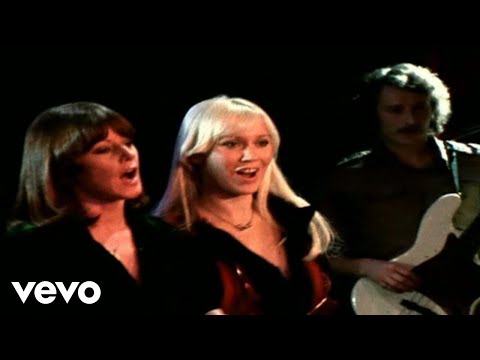
Few pop songs have endured quite like Dancing Queen by ABBA. Monumental hooks would become a defining trait of 1980s pop, and “Dancing Queen” set that template early. Its lush Europop production felt futuristic upon release, driven by swirling synthesizers that hinted at where pop music was headed.
While rooted firmly in 1970s dance culture, the track’s airy keyboard lines and pristine arrangement created a blueprint for synth-forward pop. Many artists were experimenting with electronics at the time, but ABBA used them not as embellishment, but as emotional drivers—an approach that would dominate the following decade.
Fleetwood Mac’s Reinvention Pays Off
Fleetwood Mac underwent one of rock’s most successful reinventions during this era. The arrival of Stevie Nicks and Lindsey Buckingham transformed the band from British blues traditionalists into pop-rock royalty. Their 1975 self-titled album felt like a fresh start, detached from their earlier identity.
Released as a single in 1976, Say You Love Me, written and sung by Christine McVie, embodied this new direction. Its smooth, romantic tone and polished production could easily soundtrack an 1980s romantic comedy montage. Gone were the psychedelic blues edges of the Peter Green era—replaced by soft rock that leaned confidently into pop accessibility.

Paul McCartney Embraces Gloss and Groove
By 1976, Paul McCartney was fully immersed in the sleek pop sensibility that would soon dominate radio. Silly Love Songs, released by Wings, exemplified the era’s move toward glossy production—but its most striking feature was rhythmic rather than melodic.
The song’s mechanical, almost industrial drum introduction foreshadowed the drum machines and sequenced beats that would soon define new wave and synth-pop. Written as a response to critics—including John Lennon—who dismissed McCartney’s penchant for sentimentality, the track became a massive hit. In doing so, it confirmed that audiences were more than ready to follow pop music into a shinier, more streamlined future.