




Was It Really in New Orleans? The Debate Over ‘House of the Rising Sun’
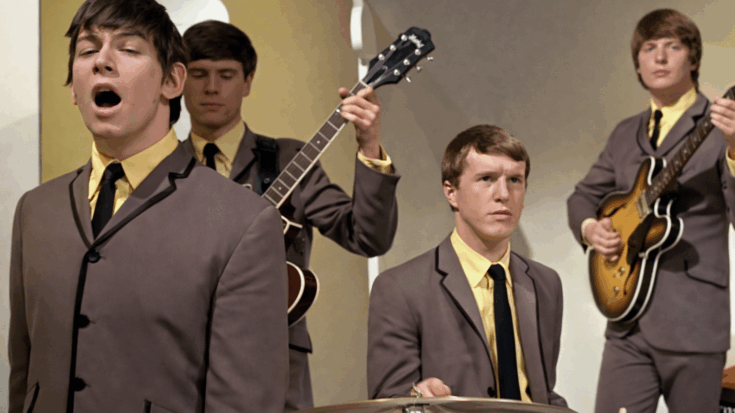
via "Timeless Music" / Youtube
“There is a house in New Orleans…”, all you have to hear is that—paired with those haunting A minor chords—and the rest unfolds instantly in the listener’s mind. It’s one of the most recognizable openings in popular music, yet its origins remain anything but clear.
When The Animals released their defining version in 1964, the song raised immediate questions. Why was a band from Newcastle telling a story rooted in New Orleans? And more intriguingly, did the house itself ever exist? While their rendition cemented the track’s place in rock history, the song’s roots stretch far beyond the 1960s, disappearing into the murky past of oral tradition.
Tracing a Song Through Time
Long before it became a global hit, ‘The House of the Rising Sun’—also known as ‘Rising Sun Blues’—circulated as a traditional folk song. Like many such pieces, its authorship was never formally documented, and its early history has largely been lost.
Some early theories suggested it originated as a miners’ tune, possibly written spontaneously and shared among workers before spreading through word of mouth. However, the first documented recording came in 1933, when Appalachian musicians Clarence “Tom” Ashley and Gwen Foster recorded their version. Ashley claimed he learned the song from his grandfather, who believed it dated back to the Civil War, indicating a much older lineage than previously assumed.
Another significant recording followed in 1937, when a young Kentucky singer, Georgia Turner, performed the song. Her version was later included in the 1941 Library of Congress collection Our Singing Country, becoming the first widely distributed recording. Despite these milestones, the song’s true beginnings remained elusive.
A Global Search With No Clear Answer
Folklorist Alan Lomax became one of the most prominent figures attempting to trace the song’s origins. He explored the possibility that it had English roots, noting similarities to traditional broadside ballads. In some of these, “Rising Sun” appeared as the name of a brothel, with one lyric stating:
“If you go to Lowestoft, and ask for The Rising Sun / There you’ll find two old whores and my old woman is one”.
Lomax’s research took him across continents, collecting variations of the song from English villages to the Appalachian Mountains, and from Kentucky to Texas. Folk and blues musicians alike were familiar with the tune, yet none could definitively identify its source.
Perhaps the most curious detail in Lomax’s findings was geographical. Despite the song’s repeated reference to New Orleans, his research rarely led him there. Most versions were discovered further north, lending weight to the lyric, “I’m going back to New Orleans”, as though written by someone who had already left the city.
Decades later, ‘The House of the Rising Sun’ remains one of music’s great unresolved mysteries. Its origins are still unknown, and the existence of the infamous house itself remains unproven—no matter what New Orleans tour guides might claim.