




These 5 Songs Show How Rock Changed in 1979

via AC/DC / Youtube
By 1979, rock music found itself in a strange transitional moment. The genre’s long-standing giants were beginning to lose their dominance as new wave, punk, and arena rock acts surged forward. Meanwhile, legendary groups like Led Zeppelin were unraveling under the weight of excess and internal struggles. A new generation of artists—including The Clash, Talking Heads, and The Cure—were redefining what rock could sound like. Even established icons like The Rolling Stones flirted with disco influences on “Miss You,” while the breakup of The Beatles still loomed less than a decade in the past.
In this shifting environment, certain songs came to symbolize the era. Not necessarily because they reshaped rock history outright, but because they perfectly captured the genre’s condition at that moment. These tracks illustrate a changing of the guard—from classic rock’s golden age toward the emerging sounds that would dominate the 1980s—while also reflecting the cultural atmosphere surrounding the music.
Among them were songs that signaled the end of an era, such as “All My Love” by Led Zeppelin and “Another Brick in the Wall, Pt. 2” by Pink Floyd. Others marked the rise of a new rock generation, including “Highway to Hell” by AC/DC and “London Calling” by the Clash. And then there was an experimental outlier from David Bowie, proving that rock’s avant-garde spirit was still alive.
Led Zeppelin – “All My Love”
If “All My Love” had been released by almost any other band, it likely would have faded quietly into obscurity. As the second-to-last track on Led Zeppelin’s final studio album, In Through the Out Door (1979), the song feels like a subdued echo of the group’s once-towering power. Its gentle tempo and prominent synthesizer chords even hint at the stylistic shifts that would define early ’80s rock.
Rather than the thunderous blues-rock that defined Zeppelin classics like “Immigrant Song,” “All My Love” lands closer to mellow, reflective rock. It’s not exactly bad—it simply lacks the spark that once made the band unstoppable. Other songs on the album, such as “Fool in the Rain,” at least carry a dose of eccentricity and rhythmic flair, thanks largely to drummer John Bonham.
Bonham’s explosive drumming had long been the engine behind Led Zeppelin’s sound. When he died in 1980, the band disbanded shortly afterward—an event many fans saw as the symbolic closing of classic rock’s golden age.
In that sense, “All My Love” mirrors the broader state of rock in 1979. Several veteran bands were releasing uneven records around the same time, including Kiss with Dynasty, The Beach Boys with L.A. (Light Album), and Aerosmith with Night in the Ruts. The song stands as a quiet reminder that the musical landscape had changed—and the old guard was slowly fading.
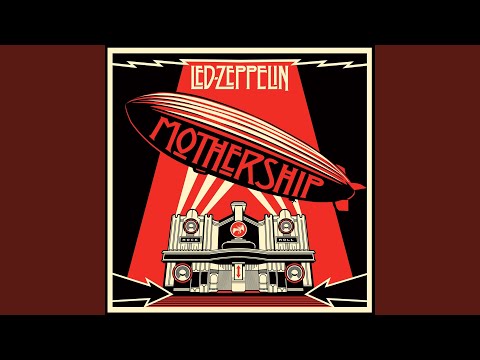
Pink Floyd – “Another Brick in the Wall, Pt. 2”
While Led Zeppelin struggled to maintain momentum, Pink Floyd took an entirely different approach—going bigger than ever. Earlier in the decade, the band had already released The Dark Side of the Moon, which would go on to sell around 50 million copies worldwide. Its follow-up, Wish You Were Here (1975), expanded on that success with a more experimental, atmospheric approach.
By 1979, Pink Floyd responded with perhaps their most ambitious project yet: The Wall, a double-album rock opera exploring the psychological collapse of a musician consumed by fame. The record produced the band’s biggest hit, “Another Brick in the Wall, Pt. 2.”
Ironically, a song criticizing rigid authority and social conformity became a massive mainstream success. It spent four weeks at No. 1 on the Billboard Hot 100—remarkable during a period when disco dominated popular music.
Unlike some rock acts that chased disco trends, Pink Floyd remained firmly committed to their own artistic instincts. The groove-driven rhythm of “Another Brick in the Wall, Pt. 2” feels danceable, but it emerged naturally from the band’s creative direction rather than from any attempt to follow trends. In many ways, the song represents a final triumphant moment for the grand, conceptual rock of the 1970s.

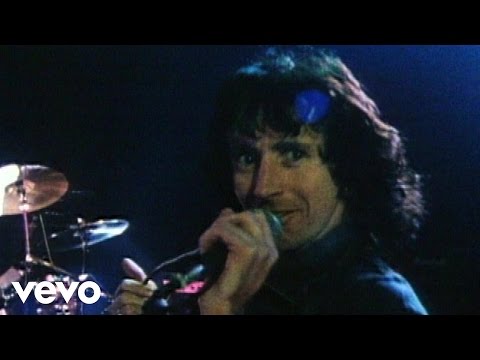
AC/DC – “Highway to Hell”
If Pink Floyd represented the grand ambition of 1970s rock, AC/DC embodied the raw, riff-driven energy that would dominate the next decade. Arena rock in the 1980s would become bigger, louder, and more hook-focused—and “Highway to Hell” perfectly foreshadowed that shift.
Released in 1979 as the title track of their breakthrough album, the song distilled AC/DC’s entire identity into one explosive anthem. Huge guitar riffs, a massive chorus, and unapologetic lyrics celebrating rebellion and nightlife made it an instant classic.
Lines like “Don’t need reason, don’t need rhyme / Ain’t nothin’ I’d rather do” captured the carefree, party-centric attitude that would define much of the coming decade’s rock culture.
Behind the scenes, producer Robert John ‘Mutt’ Lange helped refine the track’s punchy groove and commercial appeal. The band’s U.S. label even worried about the word “hell” in the title—an early example of the moral panic that would later surround rock and metal in the 1980s.
The Clash – “London Calling”
Few groups captured the urgency and rebellious spirit of late-’70s punk quite like the Clash. Their 1979 album London Calling—and its title track—offered a fierce response to the political and cultural anxieties of the time.
The song confronts themes such as Cold War tensions and social unrest, while also poking fun at rock’s fading idols with the famous lyric, “Phony Beatlemania has bitten the dust.” For younger audiences, “London Calling” felt more immediate and electrifying than the music of older classic rock acts.
What set the Clash apart from many punk contemporaries was their balance of aggression and musical sophistication. Unlike the chaotic fury of the Sex Pistols, the Clash crafted songs that were sharp, melodic, and accessible without losing their edge.
The band also drew inspiration from a wide range of influences—everything from rock pioneers like Bo Diddley to early hip-hop artists like Grandmaster Flash and the Furious Five. This openness to cross-genre experimentation hinted at the hybrid sound that rock would increasingly embrace in the decades ahead.

David Bowie – “African Night Flight”
Amid all the stylistic shifts of 1979, one artist stood apart from trends entirely: David Bowie. Known for constantly reinventing himself, Bowie continued exploring experimental territory on Lodger, the final installment of his acclaimed “Berlin Trilogy.”
“African Night Flight” may be one of the strangest recordings in his entire catalog. Packed with unusual percussion, jagged harmonies, electronic effects, and Bowie’s spoken-sing vocal delivery, the track feels startlingly modern even decades later.
Rather than chasing prevailing rock styles, Bowie pushed toward something more abstract and futuristic. The song’s chaotic blend of textures almost anticipates the experimental pop and electronic music that artists like Björk would later explore.
By 1979, experimentation had largely disappeared from mainstream rock, which was increasingly focused on arena anthems or punk’s stripped-down immediacy. Yet songs like “African Night Flight” proved that rock’s avant-garde spirit was still alive—just thriving on the fringes.

Taken together, these songs form a snapshot of rock at a pivotal moment. Some reflected the fading glory of the classic rock era, others signaled the rise of a new generation, and a few pushed the genre’s creative boundaries. Collectively, they capture a year when rock was transforming—leaving the 1970s behind and stepping into a new musical landscape.