The White House Responds to Bruce Springsteen’s “Streets of Minneapolis” Moment
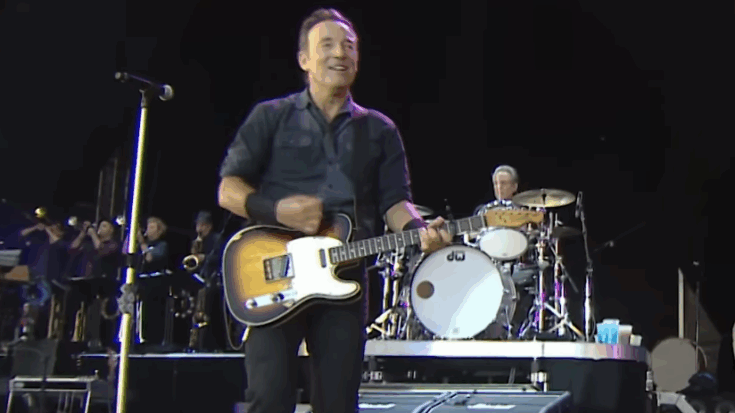
via Bruce Springsteen / Youtube
Bruce Springsteen has once again placed himself at the intersection of music and politics. His newly released song, “Streets of Minneapolis,” has prompted a sharp response from the White House, underscoring the ongoing tension between protest music and government authority.
Springsteen unveiled the track earlier this week, describing it as a direct response to the fatal shootings of Renée Good and Alex Pretti in Minneapolis by agents from U.S. Immigration and Customs Enforcement (ICE) and U.S. Customs and Border Protection.
White House Pushback
The song quickly drew criticism from the administration. In a statement shared with The Hollywood Reporter, White House spokeswoman Abigail Johnson dismissed both the track and its message.
“The Trump administration is focused on encouraging state and local Democrats to work with federal law enforcement officers on removing dangerous criminal illegal aliens from their communities — not random songs with irrelevant opinions and inaccurate information,” Johnson said.
She went on to argue that media attention should instead focus on what she described as Democratic leadership’s refusal to cooperate with the administration, adding that they have chosen to provide sanctuary to undocumented immigrants with criminal records.
The Deaths That Inspired the Song
Alex Pretti, a 37-year-old intensive care nurse, was fatally shot on Jan. 24 during an encounter with federal agents in Minneapolis. Video footage circulating online appears to show Pretti using his phone to record Customs and Border Protection officers before being pinned to the ground and struck by agents. One officer is also seen leaving the scene carrying what appears to be a firearm.
Pretti’s death followed a similar incident earlier in the month. On Jan. 7, Renée Good was killed by ICE agent Jonathan Ross, marking the first of two fatal shootings by federal agents in Minneapolis within weeks. The back-to-back deaths triggered protests nationwide, renewed calls for independent investigations, and growing demands for ICE to be removed from the city.
Springsteen addressed the song’s urgency in a Facebook post, explaining that he wrote, recorded, and released the track within days. “I wrote this song on Saturday, recorded it yesterday and released it to you today in response to the state terror being visited on the city of Minneapolis,” he wrote. “It’s dedicated to the people of Minneapolis, our innocent immigrant neighbors and in memory of Alex Pretti and Renée Good. Stay free.”
Musicians Speak Out
Springsteen is far from alone in responding to the deaths of Good and Pretti. A growing number of musicians have used their platforms to voice outrage, continuing a long tradition of artists engaging directly with political and social crises.
Graham Nash released a blistering statement condemning ICE and President Donald Trump, framing the events within the broader legacy of protest music that has defined much of his career.
“So I’ll say it again… after just watching a bunch of thugs who call themselves ‘agents’ kill yet another human being: FK ICE,” Nash wrote. “And since these murderers are part of a government sanctioned agency I’ll say this and don’t bother getting mad about it: FK TRUMP too.”
Lamb of God vocalist Randy Blythe took to his Randonesia Substack with an emotional appeal, urging artists and public figures to speak openly about what they were witnessing. He encouraged readers to watch the footage of the shootings and pushed back against claims that public outrage was exaggerated or hysterical.
“This is your country, and this is what is happening here right now,” Blythe wrote. “You have eyes to see the murders of Renée Good and Alex Pretti. No, my friends, you are not crazy. Things are bad. Really, really bad. This is not normal.”
Neal Schon of Journey offered a blunt reaction on X, writing simply, “This is fucking insane and it all needs to stop.”
Meanwhile, longtime activist guitarist Tom Morello amplified anti-ICE messages online, referring to the agency as “masked federal government secret police murdering US citizens.” He later announced a benefit concert at Minneapolis’ First Avenue featuring Rise Against, Ike Reilly, and Al Di Meola, with proceeds directed to the families of Good and Pretti.
More broadly, the collective response from the music community highlights how artists continue to function as cultural witnesses in moments of national unrest. While political leaders may dismiss protest songs as irrelevant, history suggests that music often becomes one of the most enduring records of public grief, anger, and resistance. In that sense, “Streets of Minneapolis” joins a long lineage of songs that may outlast the news cycle that inspired them—serving less as commentary and more as testimony.