




The Unexpected Singer With a Unique Name Who Brought The Beatles’ UK No. 1 Streak to a Halt in 1967
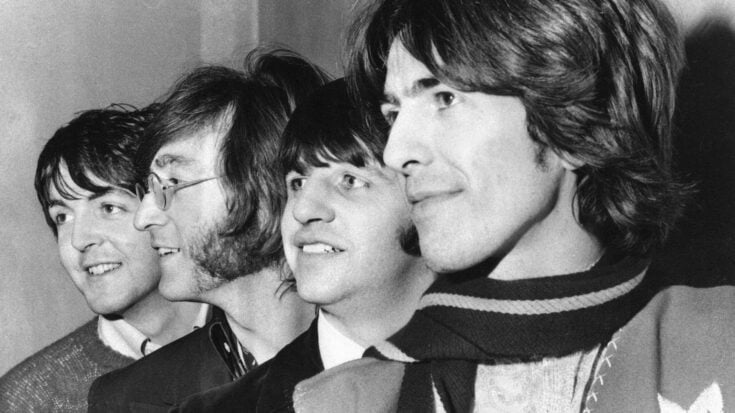
Photo by Associated Press, Public domain, via Wikimedia Commons
The Beatles ruled the British singles charts throughout the 1960s with a level of consistency that had never been seen before. Once their momentum took hold, each new release seemed guaranteed to rise straight to the top. Their songs became events, and chart watchers almost stopped wondering if a Beatles single would hit No. 1, focusing instead on how long it would stay there.
That streak, however, did not last forever. In early 1967, it was ended not by another rock band or a rival youth movement, but by an unlikely singer with a formal name and a smooth vocal style that felt far removed from Beatlemania.
A Run That Defined an Era
The Beatles’ chart dominance began in earnest with “From Me to You” in 1963, their third UK single. That release marked the first time they topped the chart now recognized as the official British singles list. From that point forward, success followed without interruption.
Over the next four years, the band released 11 singles in the UK, and every one of them reached No. 1. Two were double A-sides, meaning both songs were promoted equally and received heavy radio play. This only added to their cultural weight.
By late 1966, The Beatles had stopped touring and shifted their focus entirely to studio work. In February 1967, they released a double A-side pairing “Strawberry Fields Forever” and “Penny Lane.” Given their reputation and the songs’ ambition, another No. 1 seemed inevitable.
View this post on Instagram
The Singer Behind the Surprise
Standing in the way was a man once known as Gerry Dorsey. Born Arnold George Dorsey in 1936 in what was then British India, he moved to England as a child. He later adopted the name Gerry while trying to build a singing career in the late 1950s.
Progress was slow, in part because a serious case of tuberculosis halted his early momentum. By the mid-1960s, nearing 30, his prospects looked uncertain. That changed when music manager Gordon Mills took interest.
Mills had recently guided Tom Jones to fame and believed Dorsey had similar potential. One of his first decisions was a bold one: he renamed his new client Engelbert Humperdinck, borrowing the name from a 19th-century German composer. The unusual name was meant to stand out.
A Song With Wide Appeal
With a new name in place, Humperdinck needed the right song. He found it in “Release Me,” written in 1949 by Eddie Miller and Robert Young. The song had already been recorded in country and R&B styles, but Humperdinck heard something different.
His version blended country roots with sweeping orchestration and a polished vocal delivery. The recording featured strong session musicians, including guitarist Jimmy Page. The result was smooth, emotional, and aimed at adult listeners rather than teenagers.
Exposure came through a televised variety show, where Humperdinck filled in at the last minute. After performing “Release Me,” the single began climbing the charts quickly, helped by repeat airplay and word of mouth.

The Moment the Streak Ended
“Release Me” reached No. 1 on the UK singles chart, holding the top spot for several weeks. In doing so, it kept “Strawberry Fields Forever/Penny Lane” stuck at No. 2. For the first time since 1963, a new Beatles single failed to reach the summit.
The Beatles’ run of 11 straight No. 1 singles came to an end. The result surprised fans and industry insiders alike, but it reflected the broadening tastes of the British public.
For Engelbert Humperdinck, the achievement marked the start of a long and successful career. For The Beatles, it was a reminder that even their grip on the charts could be broken, and that popular music was changing in unexpected ways.