




The No. 1 Songs of the 1960s That Didn’t Age Well
The 1960s are often treated as a golden age, a decade where pop and rock supposedly got everything right. And to be fair, a lot of it did. The era produced music that still feels vital, inventive, and emotionally sharp, setting standards that modern artists continue to chase. But that version of the decade is incomplete. It focuses on what survived, not necessarily on what actually dominated record stores, radio playlists, and cash registers at the time.
When you look beyond the canon and dig into the charts themselves, a messier picture starts to form. The same industry that nurtured lasting classics also pushed out disposable trends, novelty hits, and songs engineered to sell fast rather than last long. Plenty of these tracks weren’t flukes or minor curiosities — they were massive successes, sitting at No. 1 while better music struggled for airplay. Their popularity says more about marketing muscle and cultural blind spots than timeless appeal.
That contrast is impossible to ignore when revisiting the No. 1 songs of the 1960s. Some still feel sharp and relevant, but others are rough listens today for all the wrong reasons. Whether it’s clumsy production, tone-deaf lyrics, or ideas that didn’t age gracefully, these chart-toppers reveal a side of the decade that nostalgia tends to skip. This list looks back at those hits — the ones that ruled the charts, then quietly aged into embarrassment.
“Mr. Custer” by Larry Verne – Tragedy turned into novelty
Turning real historical trauma into light entertainment is always risky, but “Mr. Custer” leans fully into that misjudgment. The song uses the Battle of Little Bighorn — a brutal clash rooted in colonial violence and Indigenous displacement — as the setup for a novelty record built around jokes and exaggerated fear. Even before you consider the history, the choice to frame a massacre as comedy feels wildly out of step with modern sensibilities.
The song’s narrator is a terrified soldier who openly pleads not to be sent into battle, a reaction that would seem reasonable given what awaits him. Instead, his fear is framed as weakness, with the humor hinging on his whining delivery and exaggerated panic. The repeated refrain turns genuine dread into a punchline, inviting the listener to laugh rather than empathize. What could have been read as an anti-war sentiment is flattened into mockery.
That discomfort is amplified by how the character is portrayed. The voice and phrasing lean hard into a caricature familiar to early-’60s audiences — the simple-minded country bumpkin, more cartoon than human. Add in faux “war cries” and broad accents, and the song becomes a collision of bad taste and tonal confusion. That this record reached No. 1 in 1960 says less about its quality and more about how casually cruelty and historical blindness could be packaged as fun.

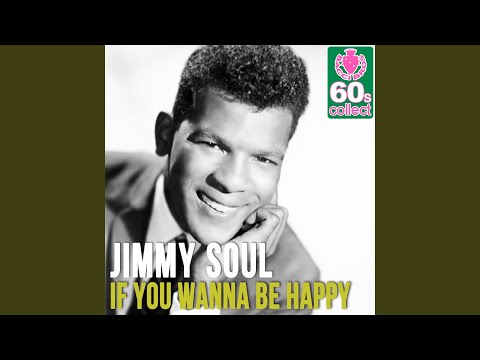
“If You Wanna Be Happy” by Jimmy Soul – Cheerful music, rotten message
On the surface, “If You Wanna Be Happy” sounds like a harmless party track, driven by a breezy rhythm and sing-along hooks. That upbeat presentation masks what is easily one of the most aggressively sexist messages ever carried to the top of the charts. Released in 1963, the song rode the tail end of America’s calypso obsession, borrowing its sound while dragging along ideas that feel ugly even by the standards of its own era.
The song’s central advice is laid out with unsettling confidence: men should avoid marrying attractive women to protect themselves from jealousy and insecurity. The logic is simple and deeply cynical — an “ugly” wife is safer, more obedient, and less likely to leave. Rather than questioning that mindset, the song celebrates it, framing possessiveness and control as practical wisdom passed down from one man to another.
What pushes the track from dated to outright grotesque is how openly it revels in humiliation. A spoken exchange near the end strips away any remaining ambiguity, reducing a woman to a punchline about her looks and domestic usefulness. The laughter baked into the performance reinforces the idea that this cruelty is normal, even charming. Time hasn’t just dulled the song’s appeal — it has exposed how thoroughly rotten its core always was.
“Honey” by Bobby Goldsboro – Sentimentality masking condescension
Chart success doesn’t always align with cultural mood, but “Honey” landing at No. 1 for weeks in 1968 feels especially jarring in hindsight. This was a year defined by upheaval, protest, and political unrest, yet the country embraced a soft-focus ballad steeped in condescension. The song presents itself as tender and reflective, but beneath the syrupy arrangement lies a deeply uncomfortable portrait of love and loss.
Across verse after verse, the narrator recalls his partner’s behavior with a tone that consistently undercuts her humanity. Her actions are treated as amusing quirks rather than expressions of agency or emotion. Moments that suggest distress or instability are brushed off as endearing foolishness, turning her vulnerability into entertainment. Even before tragedy enters the story, the imbalance in how she is seen and described is hard to ignore.
When the song shifts toward death, the discomfort only deepens. The narrator hints at despair without ever acknowledging its weight, folding it into his own sense of loneliness instead. Her inner life remains unexplored, while his sadness takes center stage. What was once sold as heartfelt storytelling now reads as emotional tourism — a sentimental gloss applied to sexism and mental health suffering, wrapped neatly enough to dominate the charts.

“Hello, I Love You” by The Doors – When rebellion turns bland
The Doors built their reputation on danger, tension, and a sense that anything could go wrong at any moment. Jim Morrison’s persona thrived on provocation, and the band’s best work felt deliberately unstable, as if it were pushing against the limits of pop music and polite society. That context makes “Hello, I Love You” such a letdown. Released in 1968, it landed at No. 1 while sounding oddly neutered, stripped of the menace and curiosity that once defined the group.
Musically, the song feels safe to the point of anonymity. Its structure and bounce echo lightweight pop trends rather than the hypnotic grooves The Doors were known for. Morrison sounds disengaged, drifting through the verses as if mildly inconvenienced by having to sing them at all. The lyrics offer little substance, leaning on vague come-ons and hollow phrases that gesture at coolness without actually saying anything. What once felt mysterious now feels lazy.
The bigger problem is what the song represents. “Hello, I Love You” plays like a calculated attempt to chase chart success by sanding off every sharp edge. Instead of challenging listeners, it reassures them, fitting neatly alongside disposable love songs of the era. Hearing it today doesn’t just dull the band’s image — it raises uncomfortable questions about how easily their rebellious posture could be swapped for something utterly conventional.
“In the Year 2525 (Exordium & Terminus)” by Zager and Evans – Grim prophecy without insight
Late-’60s folk music often carried a sense of dread, shaped by war, political unrest, and generational anxiety. “In the Year 2525” taps into that unease, but it does so with a heavy hand, turning pessimism into spectacle. Released in 1969, the song imagines humanity’s distant future as an unbroken chain of decline, delivered with solemn seriousness and little room for nuance or imagination.
Each verse marches further ahead in time, outlining a future where technology strips people of meaning, sensation, and eventually existence itself. The predictions quickly slide from unsettling to absurd, suggesting humans will lose basic physical features because life has become too effortless to require them. Rather than provoking thought, these ideas pile up mechanically, as if bleakness alone were enough to justify the song’s warnings.
What ultimately dates “In the Year 2525” is its smug certainty. The song presents its vision as unavoidable truth, leaving no space for resilience, creativity, or contradiction. Its final twist — that this grim future may already be history — feels less clever than self-satisfied. Listening now, the track comes off less as a profound cautionary tale and more as a joyless time capsule of Cold War paranoia, overstating its message while offering nothing in return.