




The Five No. 1 Hits From 1972 That Defined the Year
1972 marked a turning point in musical creativity. Established artists proved they still had longevity, while a wave of new performers injected fresh energy into the charts by earning their first major breakthroughs.
Throughout the year, 18 artists reached number one on the Billboard Hot 100 for the first time. Among them were Don McLean, Harry Nilsson, Neil Young, Sammy Davis Jr., Bill Withers, and Roberta Flack. Many of these chart-topping songs went on to leave a lasting cultural imprint—either by reflecting the mood of the era or by introducing bold ideas that reshaped popular music.
McLean famously turned tragedy into mythology by revisiting “The Day the Music Died,” while America carved out a defining rock anthem with “A Horse with No Name.” That track stood apart from the louder, more forceful rock dominating the airwaves, opting instead for a calm, introspective take on escapism. Together, these contrasting styles helped make 1972 one of the most varied and dynamic years in music history.
As the 1970s began, audiences were split between holding onto the familiar sounds of the previous decade and embracing newer, more progressive approaches. Singer-songwriters, in particular, were gaining ground, and there was no longer a single formula for success. Music thrived in many forms, as long as it carried emotional weight and authenticity.
Don McLean – “American Pie”
In “American Pie,” Don McLean revisits the devastating plane crash of February 3, 1959, which claimed the lives of Buddy Holly, The Big Bopper, and Ritchie Valens. The tragedy—decided by something as random as a coin toss—became a symbol of irreversible loss in music history.
McLean transformed the event into a poetic elegy, suggesting that music fundamentally changed after that day. The influence of those lost artists, especially Holly, continued to ripple through rock history, inspiring generations of musicians and shaping the sound of modern popular music.

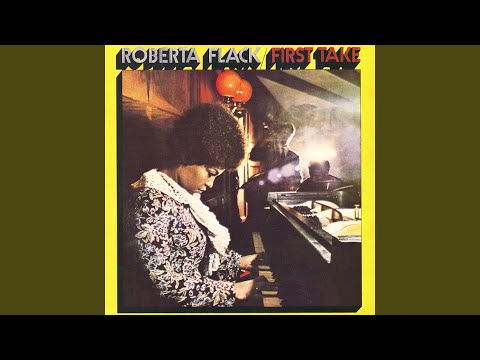
Roberta Flack – “The First Time Ever I Saw Your Face”
Roberta Flack’s rendition of “The First Time Ever I Saw Your Face” became a chart-topping success in 1972—despite originally appearing on her 1969 album First Take. The song only gained momentum years later, helped in part by its inclusion in Play Misty for Me and by arriving at a moment when audiences were ready to embrace its intimacy.
Though it may not feel as era-defining as some of the year’s louder hits, Flack’s delicate delivery and emotional depth proved that slower, more restrained songs could be just as powerful. Its enduring appeal shows how subtlety can sometimes leave the deepest mark.
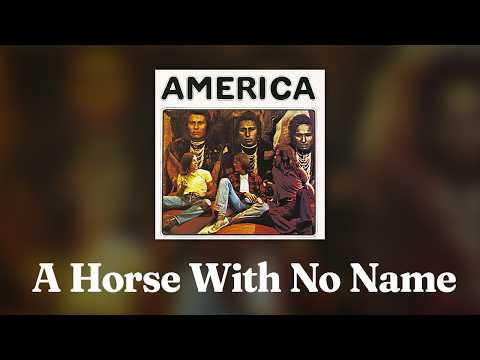
America – “A Horse with No Name”
Offering a moment of calm during a period of social unrest, “A Horse with No Name” resonated immediately with listeners. Songwriter Dewey Bunnell described it as a metaphorical escape—a way to step away from confusion and find peace.
Despite controversy and misinterpretation by some radio stations, which briefly banned the song over perceived drug references, it still reached number one. Over time, it became a cultural staple, frequently used in films and television to evoke solitude and quiet freedom, including a notable modern cover in Bojack Horseman.
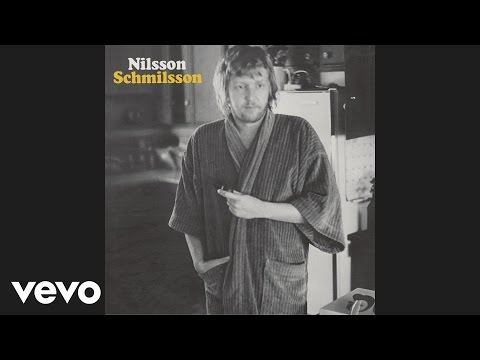
Harry Nilsson – “Without You”
Ironically, Harry Nilsson was never fond of “Without You,” feeling it didn’t fully represent his artistic identity. He struggled with the recording process and initially resisted releasing it, even though it would become his biggest hit.
Nevertheless, the song introduced many listeners to Nilsson’s work. While his broader catalog better showcases his wit and stylistic range, “Without You” opened the door for audiences to discover an artist who inspired others to experiment, blend genres, and challenge creative limits.
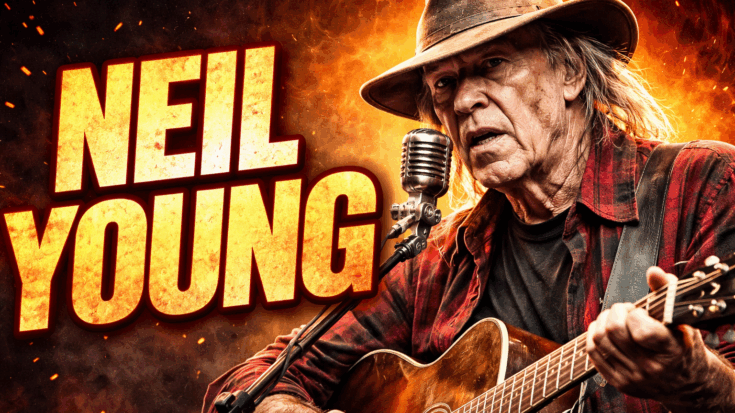
Neil Young – “Heart of Gold”
Neil Young’s only number-one single came from his album Harvest and featured backing vocals from Linda Ronstadt and James Taylor. “Heart of Gold” perfectly captured the reflective spirit of the early ’70s, using gentle folk melodies to evoke a strong sense of time and place.
Although some critics compared it to “A Horse with No Name,” the song stands firmly on its own as a classic. Its success was so striking that even Bob Dylan reportedly bristled at how closely it resembled his own style—an unintended compliment that underscored just how impactful the song truly was.