




Songs That Defined the Smooth Sound of ’70s Yacht Rock
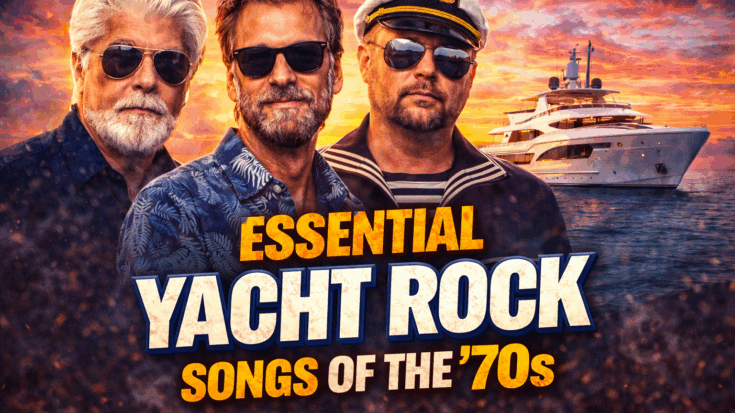
In the late 1970s, a certain style of music was played on car radios, backyard speakers, and in pubs by the beach. It was smooth, but not sleepy. Polished, but not stiff. It wasn’t trying too hard to be catchy. People call it yacht rock now.
But no one called it that back then. The people who made these songs would likely have found the label amusing. The phrase “yacht rock” didn’t emerge until the early 2000s, when a humorous web series called Yacht Rock poked fun at a group of soft rock tunes from the late 1970s by placing them under one breezy name. The name stuck. At first, it was only a joke, but over time, it became a badge of honor.
Yacht rock is hard to define but easy to recognize. The sound is smooth and meticulously crafted. The grooves are tight. The vocals are soulful and often layered with rich harmonies. The musicianship is elite, with a subtle jazz influence woven throughout. It feels like sunlight reflecting off the water—steady, relaxed, and quietly elegant. For years, critics dismissed the style as too soft or too safe. Yet time has been kind to yacht rock. These songs still fill parties, classic rock radio, and streaming playlists decades later. In fact, they may be more beloved now than ever.
One major reason is the musicians behind the music. Many of these hits were created by a small circle of extraordinary studio players, similar to the famed Wrecking Crew of the 1960s. Some had worked extensively with Steely Dan. Others would go on to form Toto. At the center of it all was Michael McDonald, whose deep, soulful voice became one of the defining sounds of the era—and perhaps the voice of yacht rock itself.
Five decades later, a handful of songs stand above the rest. Within seconds, they capture the essence of the genre and help define what yacht rock in the 1970s was all about.
“Peg” by Steely Dan
Steely Dan may be the band most closely associated with the beginnings of yacht rock. Walter Becker and Donald Fagen weren’t trying to invent a genre; they were simply obsessed with perfection. Their music blended jazz harmony, rock rhythms, and sharp lyrics with exacting studio precision.
By the time they released Aja in 1977, they had fully embraced a refined, detail-driven sound. “Peg” embodies that approach. The groove is confident, the guitar lines sparkle, and the harmonies are silky smooth. Michael McDonald’s backing vocals on the chorus add an instantly recognizable lift. Though it sounds effortless, the song is deceptively complex, balancing jazz sophistication with pop accessibility.
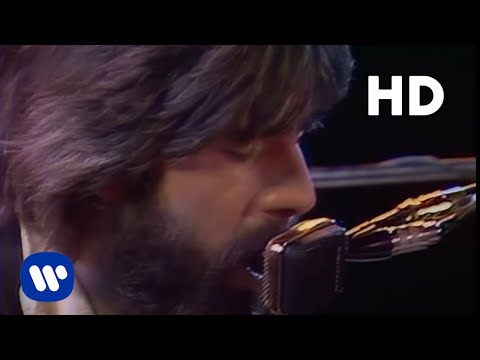
“What a Fool Believes” by The Doobie Brothers
Before the late 1970s, The Doobie Brothers were known for rougher, guitar-driven rock. That changed when Michael McDonald joined the band. Their 1978 album Minute by Minute introduced a smoother, soul-infused sound, led by “What a Fool Believes,” co-written by McDonald and Kenny Loggins.
From its opening keyboard rhythm, the song stands apart. The melody is expressive yet controlled, and the chorus is yacht rock perfection. While some longtime fans resisted the shift, the song topped the Billboard Hot 100 in 1979 and became a defining hit. For many listeners, it remains the clearest example of what yacht rock sounds like.
“Ride Like the Wind” by Christopher Cross
In 1979, Christopher Cross arrived with his self-titled debut album. While “Sailing” became his signature hit, “Ride Like the Wind” captured the energy and polish of yacht rock at its peak.
The production is glossy and radio-ready, supported by elite session musicians. Michael McDonald’s backing vocals once again add warmth and depth, complementing Cross’s softer lead. The song blends pop and jazz elements seamlessly, creating a sense of motion that feels adventurous yet smooth. It became one of Cross’s biggest singles and helped carry yacht rock into the new decade.

“Lowdown” by Boz Scaggs
By the mid-1970s, Boz Scaggs was already an established artist, primarily known for blues-influenced rock. That changed with his 1976 album Silk Degrees, which embraced a sleeker, more soulful direction.
The album featured future members of Toto, including David Paich, Jeff Porcaro, and David Hungate. Their precision and musicality gave the record its refined feel. “Lowdown,” the standout track, paired a disco-leaning groove with smooth chord changes and a relaxed vocal delivery. Though some critics questioned the stylistic shift, the song became a major hit and remains a radio staple.

“This Is It” by Kenny Loggins
After leaving Loggins & Messina, Kenny Loggins launched a successful solo career. “This Is It,” from his 1979 album Keep the Fire, became one of his biggest solo hits.
Co-written with Michael McDonald, the song opens with a laid-back rhythm and subtle synth textures. Loggins’ understated verses build toward a powerful chorus enriched by McDonald’s soulful backing vocals. The production is clean, the musicianship restrained but confident, and the jazz-influenced keyboards add warmth. It has become a high scorer on the tongue-in-cheek “Yachtski Scale,” reflecting its lasting popularity among fans of the genre.

These five songs stand as pillars of 1970s yacht rock. They share elite musicianship, jazz-tinged harmonies, rich vocals, and pristine production. Most importantly, they share a feeling.
Yacht rock isn’t about flash or force. It’s about mood, ease, and quiet confidence. The music flows rather than demands attention. Younger listeners have rediscovered it through playlists and social media, while longtime fans hear echoes of summer nights, road trips, and simpler times.
The artists themselves never set out to create a movement. They were simply chasing the perfect sound. In doing so, they created a style that has endured for decades. The name may have started as a joke, but the music has proven timeless. These songs still shine, still move, and the moment one comes on, the feeling is unmistakable: smooth sailing.