




Some of the Biggest Classic Rock Songs Ever Were “Rip-Offs” — and Fans Still Love Them

Photo by Jim Summaria, CC BY-SA 3.0, via Wikimedia Commons
People often think that music history is neat and original, but it isn’t always that way. Some of the most well-known songs ever penned didn’t simply come out of thin air. Instead, they drew from older melodies, chord progressions, or rhythmic ideas that already existed. Sometimes those connections were intentional. Other times, they were honest mistakes. Either way, the results were often arguments, lawsuits, and long-running debates over imitation versus inspiration.
None of that stopped these songs from becoming massive successes. In reality, many listeners don’t even recognize—or care about—their complicated backstories. These songs felt emotionally true, captured cultural moments, and stood the test of time. They may have faced legal trouble, but their fans’ devotion never faded.
Here are ten well-known songs that borrowed heavily from earlier works and still became famous in their own right, spanning classic rock staples and modern anthems.
“Bitter Sweet Symphony” by The Verve
The Verve may not have dominated the charts for long, but they released one song that refuses to disappear. “Bitter Sweet Symphony” remains one of the most affecting tracks of the late 1990s. Its sweeping string melody and introspective tone feel almost cinematic, pulling listeners into a space filled with longing, frustration, and quiet hope.
That unforgettable string loop didn’t appear by accident. It came from an orchestral recording of a Rolling Stones song released decades earlier. While the band had permission to use a portion of the sample, disputes arose over how much was used and who owned the rights. The result was a lengthy legal battle that deprived the band of royalties for years. Even so, the song’s impact never weakened. Its slow build and emotional release speak to a universal struggle: trying to find meaning in a world that constantly pushes back. Years later, the rights issue was resolved, allowing the song to be celebrated without caveats.

“Stay With Me” by Sam Smith
“Stay With Me” was the song that introduced Sam Smith to a global audience. Built around a simple melody that feels like a late-night confession, it is delicate, emotional, and deeply intimate. The gospel-inspired backing vocals heighten that sense of vulnerability.
Not long after its release, listeners noticed similarities between the song and an older rock ballad from the late 1980s. The resemblance was strong enough that the original songwriter was eventually given credit. There was no public bitterness, however. Both sides acknowledged that musical overlap can happen unintentionally. What mattered most was the emotional connection. “Stay With Me” resonated with anyone who understood the ache of wanting closeness without certainty. It didn’t rely on flashy production—just honesty. Despite sharing musical DNA with earlier songs, it carved out its own emotional space and continues to do so years later.

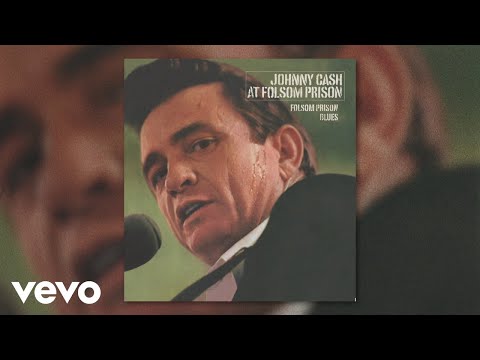
“Folsom Prison Blues” by Johnny Cash
Johnny Cash built his career on storytelling, and “Folsom Prison Blues” helped define his image. Its driving rhythm and stark lyrics place listeners behind prison walls, capturing guilt, regret, and restlessness with rare intensity. However, portions of the lyrics closely resembled those of an earlier song by another composer, eventually leading to a financial settlement.
Cash didn’t merely copy the song—he transformed it. He stripped away polish and replaced it with grit, making the narrative darker and more unsettling. The relentless, train-like rhythm never lets up, creating constant tension. Cash’s deep voice gives every word weight, forcing listeners to confront the consequences of bad choices. Borrowed or not, the song became one of the most influential in both country and rock history.
“My Sweet Lord” by George Harrison
After years in the shadow of Lennon and McCartney, George Harrison stepped into the spotlight with “My Sweet Lord.” The song became a massive hit and introduced a more openly spiritual tone into mainstream pop music. Its slow tempo and layered harmonies create a calm, reflective atmosphere.
Soon after its release, critics noted similarities to a hit from an early-1960s girl group. A court later ruled that the resemblance amounted to subconscious copying. Harrison accepted the verdict, even while maintaining it was unintentional.
Despite the controversy, the song remains deeply moving. Its message of spiritual longing transcends religious boundaries, resonating even with listeners who don’t consider themselves religious. It stands as a reminder that sincerity can outweigh controversy.

“Viva La Vida” by Coldplay
“Viva La Vida” marked a turning point for Coldplay, as the band embraced a grander, more dramatic sound. With its chiming strings and steady rhythm, the song feels like a royal procession tinged with quiet sadness.
After its release, a prominent guitarist claimed the melody resembled one of his instrumental pieces. The case never progressed far, but the discussion lingered. Fans, however, seemed unfazed. The song tells a story of fallen power and lost glory, pairing triumphant melodies with reflective lyrics. It feels larger than life while remaining emotionally grounded. Regardless of its disputed origins, “Viva La Vida” remains one of Coldplay’s most beloved songs.

“Creep” by Radiohead
Radiohead’s “Creep” captured a feeling many struggle to articulate: insecurity, obsession, and alienation. The verses are restrained and uneasy, while the explosive chorus mirrors the chaos of self-doubt. Musically, the song bore similarities to a ballad from the 1970s, resulting in additional songwriting credits.
That didn’t stop “Creep” from finding its audience. Decades later, it still resonates with people who feel out of place. Although the band eventually distanced itself from the song, listeners never did. It became an anthem of vulnerability, proving that familiar musical frameworks can still support something deeply personal and original.

“Surfin’ U.S.A.” by The Beach Boys
“Surfin’ U.S.A.” is a celebration of youth and freedom, bursting with energy and sun-soaked imagery. The Beach Boys turned surfing culture into a musical phenomenon, and this song became their defining hit.
Musically, it closely followed the structure of a classic Chuck Berry rock-and-roll song. To avoid prolonged legal conflict, Berry received songwriting credit, and the matter was resolved quickly. Even so, the song’s legacy remains intact. It captures a moment when American teenagers felt carefree and optimistic. One listen is enough to lift your mood.

“Come As You Are” by Nirvana
“Come As You Are” is among Nirvana’s most accessible and enigmatic songs. Its watery guitar riff sets an immediate mood, creating a sense of calm mixed with unease.
The band worried the riff resembled that of an earlier post-punk track, but no legal action followed. Over time, the concern faded. What remains is a song about acceptance, contradiction, and identity. Its invitation to embrace imperfection continues to resonate across generations, giving it lasting power.

“Whole Lotta Love” by Led Zeppelin
Led Zeppelin fused blues tradition with explosive rock energy, and “Whole Lotta Love” stands as one of their most iconic tracks. Its opening riff helped shape the sound of hard rock for decades.
The lyrics closely mirrored those of an earlier blues song, leading to a lawsuit and revised songwriting credits. Still, the track is unmistakably Zeppelin. Its experimental middle section ventures into chaotic territory, yet the band’s chemistry holds everything together. Loud, dramatic, and unforgettable, the song leaves a lasting impression.

“Come Together” by The Beatles
“Come Together” closes the list as a perfect example of The Beatles’ late-era confidence. With its swampy groove and cryptic lyrics, the song feels effortlessly cool.
Its rhythm and vocal delivery were inspired by a Chuck Berry track, resulting in a small legal settlement. Yet The Beatles transformed the idea into something entirely their own. The final result feels timeless, with a steady pulse and playful darkness that continues to draw listeners in. It’s proof that inspiration, when handled well, can lead to something extraordinary.

Why These Songs Still Matter
Music has always borrowed from the past. What separates these songs from forgettable copies is how artists infused borrowed ideas with emotion, personality, and vision. They transformed familiar sounds into cultural touchstones. In the end, fans don’t fall in love with lawsuits—they fall in love with songs. And these tracks, regardless of how they began, have earned their place in music history.