Robert Fripp Says King Crimson Still Deserves Recognition as Metal Pioneers

via Robert Fripp / YouTube
King Crimson guitarist Robert Fripp has voiced frustration over the band’s overlooked role in shaping heavy metal. In a recent interview with Guitar World, Fripp criticized mainstream accounts that overlook the group’s influence on the genre’s origins.
“I saw a recent video on YouTube on the 10 precursors to heavy metal, and …‘Schizoid Man’ wasn’t among them. That’s absurd,” Fripp said. “I mean, Ozzy Osbourne not only recorded it on a solo album [2005’s Under Cover, featuring Joe Bonamassa], but he was always generous enough to acknowledge Crimson.”
Fripp emphasized that the “metallic element” in King Crimson’s music has been present from the start. “For me, it became increasingly articulated in the simple question: What would Jimi Hendrix have sounded like playing a Béla Bartók string quartet?” he explained.
The Birth of Heavy Metal Power
King Crimson’s 1969 debut, In the Court of the Crimson King, is widely cited by music historians as a proto-heavy metal milestone. Produce Like A Pro notes that the track “21st Century Schizoid Man” combined distorted guitar work, aggressive rhythms, and visceral intensity, laying the foundation for decades of heavy metal evolution.
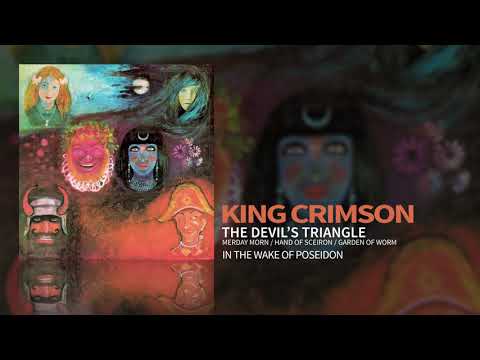
Following this, 1970s, In the Wake of Poseidon showcased tracks like “The Devil’s Triangle”, which fused classical inspiration with brutal, metallic soundscapes. Drawing on Gustav Holst’s “Mars, the Bringer of War,” King Crimson merged complex composition with raw sonic power, setting themselves apart from contemporaries and prefiguring the progressive metal movement.
Progressive Rock Meets Metal
Beyond their early work, King Crimson’s experimental approach influenced both the 1970s progressive rock wave and modern metal artists, according to Heavy Metal Wiki. PMA Magazine places the band alongside Led Zeppelin as seminal architects of heavy music, though mainstream narratives often omit them from metal’s origin story.
Fripp’s remarks underscore an ongoing debate: the role of progressive rock in shaping heavy metal and the need to recognize King Crimson as pioneers whose experimental daring helped define the genre. As Fripp sees it, their legacy deserves a place in any conversation about the roots of metal.