




On This Day in 1979: Pink Floyd Hit No.1 in the UK With Their Only Chart-Topper, Became Christmas No.1, Sold Over 4 Million Copies and Was Later Banned in South Africa
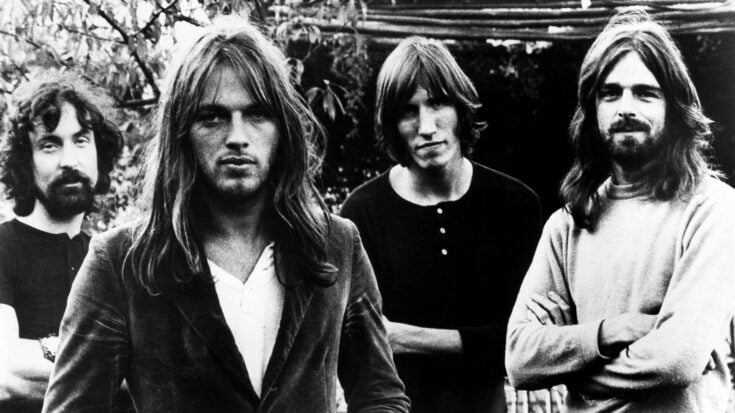
UNITED KINGDOM - CIRCA 1973: Pink Floyd, (L-R: Nick Mason, Dave Gilmour, Roger Waters and Rick Wright) pose for a publicity shot circa 1973. (Photo by Michael Ochs Archives/Getty Images)
Rise to the Top
On December 15, 1979, Pink Floyd began a five-week stay at No.1 on the UK singles chart with Another Brick in the Wall Part 2. It marked the band’s only UK chart-topper and became the Christmas No.1 of that year. The release stood out because Pink Floyd had not issued a UK single since Point Me at the Sky in 1968, making the gap more than a decade long.
The song came from the album The Wall, which told a larger story across its tracks. Released in late November, the single moved quickly up the charts. Its beat, simple structure, and use of a children’s choir helped it reach listeners beyond the band’s usual rock audience.
A Sound That Reached Everywhere
Another Brick in the Wall Part 2 sold more than four million copies worldwide. It topped singles charts in 14 countries and became one of the band’s most recognized songs. In the United States, it reached No.1 on the Billboard Hot 100, giving Pink Floyd their only chart-topping single there as well.
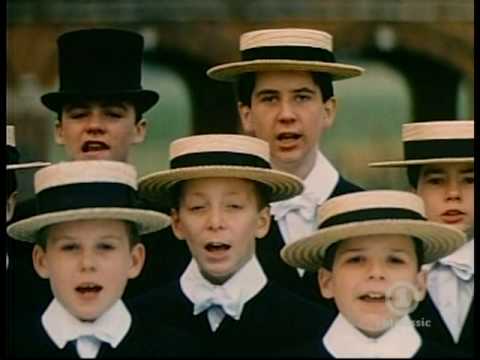
The track featured schoolchildren from Islington Green School singing the chorus, which added a sharp contrast to the darker tone of the album. The mix of disco rhythm, rock sound, and clear message helped the song connect with younger listeners and radio stations across many regions.
View this post on Instagram
Awards and Public Reaction
The song received a Grammy nomination for Best Performance by a Rock Duo or Group. Pink Floyd did not win, losing the award to Bob Seger’s Against the Wind. Still, the nomination showed how far the song had reached beyond rock fans.
Public reaction was strong and sometimes divided. The line “We don’t need no education” caused concern among teachers and officials who felt the message encouraged disrespect. The band explained that the song criticized strict and unfair schooling, not learning itself.
Ban in South Africa
In 1980, Another Brick in the Wall Part 2 and the album The Wall were banned in South Africa. At the time, supporters of a nationwide school boycott used the song during protests against racial inequality in the education system under apartheid.
The government viewed the song as a threat because it had become linked to student resistance. As a result, selling or playing the single and album was made illegal. The ban showed how a popular song could gain political meaning far beyond the charts.
Although Pink Floyd never had another UK No.1 single, Another Brick in the Wall Part 2 remained a defining moment in their career. The song continued to be played, discussed, and referenced long after its chart run ended, keeping its place in music history.