

On This Day in 1978: Aerosmith, Santana, Heart & Ted Nugent Took Over California Jam II in Front of 250,000 Fans
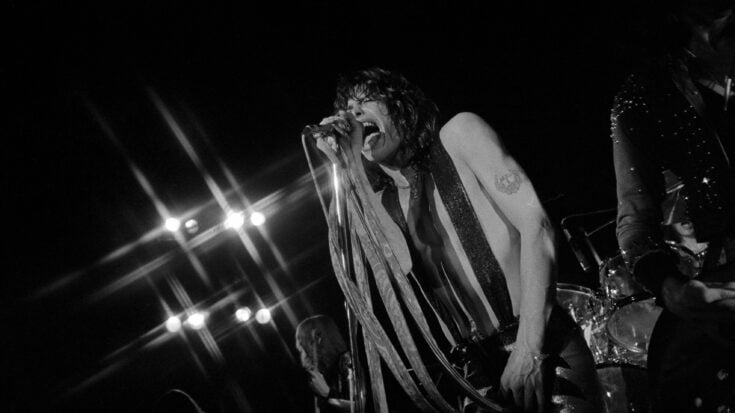
NEW YORK - MAY 31: Lead singer Steven Tyler of the American rock band Aerosmith performing on May 31, 1974 in New York City. (Photo by Waring Abbott/Getty Images)
In the late 1970s, large outdoor rock festivals became symbols of a changing music culture, bringing together massive crowds and some of the biggest names of the era. On March 18, 1978, California Jam II transformed the Ontario Motor Speedway in Ontario, California, into one of the largest concert gatherings ever held in the United States. Fans arrived from across the country, filling the vast racetrack grounds for a single day of music that reflected the power and popularity of rock at the time.
Estimates of attendance vary, but more than 250,000 people were present, with some reports placing the crowd well above 300,000. The event followed the success of the original California Jam in 1974 and was organized by promoters Leonard Stogel, Sandy Feldman, and Don Branker. Their goal was to create a carefully managed festival that preserved the excitement of earlier rock gatherings while improving safety and organization for such a large audience.
A Lineup Built for Stadium-Sized Rock
California Jam II featured a wide range of performers who represented different styles within rock music. Aerosmith arrived as one of the era’s most successful American bands, performing songs from their late-1970s catalog during a period when their popularity was at its peak. Ted Nugent delivered a high-energy set that matched the scale of the crowd, while Santana brought a blend of rock and Latin influences that had already earned international recognition.
Heart also appeared during a major moment in their rise, performing before what was then one of the largest audiences of their career. Other artists included Foreigner, Dave Mason, Frank Marino and Mahogany Rush, Bob Welch, and Rubicon, creating a program that lasted throughout the day and into the evening. The variety of acts reflected how rock music had expanded by the end of the decade, moving beyond a single sound into many connected styles.
Sound, Broadcasts, and Festival Culture
The concert was not only a live experience but also a media event. Portions of California Jam II were recorded and later broadcast as television specials, allowing audiences across the country to watch highlights months after the festival ended. A soundtrack album was also released, preserving selected performances and helping extend the event’s cultural reach beyond those who attended in person.
Local radio stations simulcast parts of the show, which became important because many fans far from the stage relied on broadcasts to fully hear the performances. The enormous size of the venue meant that some attendees were positioned great distances away, a reminder of the logistical challenges involved in hosting gatherings of this scale before modern video screens became common.
A Defining Moment for Late-1970s Festivals
Despite the crowd size, reports described the event as largely peaceful and better organized than many earlier festivals. Promoters applied lessons learned from previous large concerts, emphasizing crowd control and communication with attendees. The success of California Jam II showed that major rock festivals could operate as both cultural celebrations and professionally managed productions.
The Ontario Motor Speedway proved ideal for the event, offering wide open space capable of holding hundreds of thousands of people. By the end of the day, California Jam II had reinforced the growing connection between stadium-level rock performances and mass audiences, helping shape how large music festivals would be staged in the decades that followed.