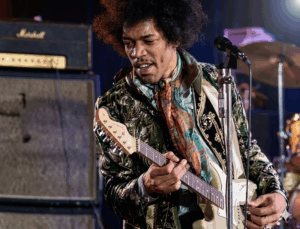





On This Day in 1973: Elton John Started a Two-Week UK No.1 Run With His Landmark Album

Photo by Los Angeles Times, CC BY 4.0, via Wikimedia Commons
A Breakthrough Moment on the UK Charts
On December 22, 1973, Elton John reached the top of the UK album chart with Goodbye Yellow Brick Road. The record began a two-week run at No.1 in Britain and confirmed that Elton John had become one of the biggest artists of the decade. By this point, he was already known for hit singles and packed concerts, but this album marked a new level of success and recognition.
The album also went on to spend eight weeks at No.1 on the US album chart. That achievement made Elton John one of the few British artists of the time to dominate both sides of the Atlantic with the same release. The record’s wide appeal helped it reach listeners who were drawn to rock, pop, and piano-based songwriting alike.
Songs That Defined an Era
Goodbye Yellow Brick Road featured a wide mix of styles and moods. One of its most famous tracks, “Candle in the Wind,” was written as a tribute to Marilyn Monroe. The song showed a softer, reflective side of Elton John and lyricist Bernie Taupin, and it later became one of the most widely known songs in his catalog.
The album also included several successful singles that stayed in heavy rotation on radio. “Bennie and the Jets” stood out for its unusual rhythm and crowd noise effects. “Goodbye Yellow Brick Road” offered a look at the cost of fame, while “Saturday Night’s Alright for Fighting” delivered a loud, fast rocker that became a concert favorite.
View this post on Instagram
A Productive and Demanding Period
The album was recorded during an intense stretch of work for Elton John and his band. Much of it was written quickly, with Taupin sending lyrics that Elton would often set to music in a single sitting. Despite the fast pace, the songs showed careful structure and strong melodies that helped them last well beyond their release year.
At the time, Elton John was touring heavily while also releasing new albums at a rapid rate. In the early 1970s alone, he released several studio records that all performed well on the charts. This constant output made Goodbye Yellow Brick Road part of a larger run of success rather than a one-off hit.
Lasting Impact of the Album
The album’s success in 1973 helped shape Elton John’s public image as more than just a singles artist. It proved he could carry a full double album that listeners would play from start to finish. Over time, the record became a staple of classic rock radio and album rankings.
Decades later, Goodbye Yellow Brick Road is still widely discussed and reissued in expanded formats. Its chart-topping run that began on December 22, 1973, remains a key moment in Elton John’s career and a how strongly the album connected with audiences when it first arrived.