




How Movies Ruined CCR’s “Fortunate Son” Message
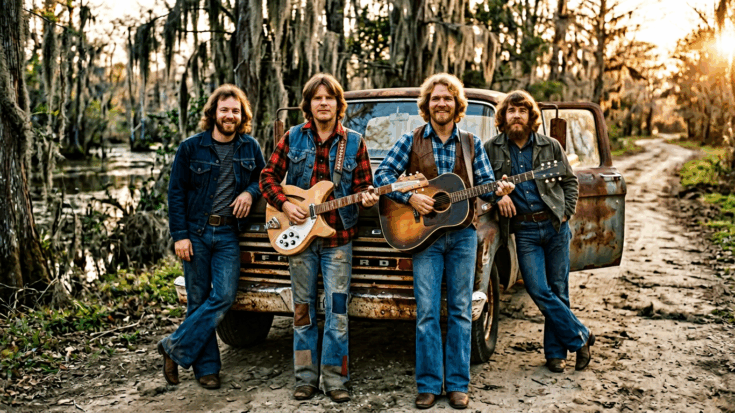
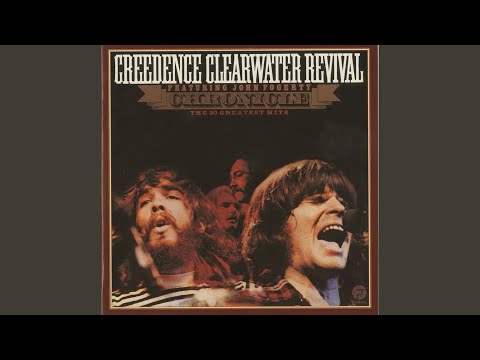
When Creedence Clearwater Revival released “Fortunate Son” in 1969, its message was unmistakable: a sharp condemnation of the draft system during the Vietnam War. While numerous protest songs emerged during the 1960s, “Fortunate Son” stood out for its raw intensity and blunt anger. The track directly attacked the glaring inequality of a system that sent young men from working-class backgrounds to fight and die overseas, while the sons of wealthy and politically connected families often avoided service through deferments.
Ironically, a song criticizing privilege eventually became one of the most profitable classics of the era. With the reputation of Creedence Clearwater Revival behind it and the songwriting of frontman John Fogerty, the hard-driving protest anthem was almost destined for commercial success. By 2025, “Fortunate Son” had sold around eight million copies. Yet much of its continued financial value has come from licensing deals, particularly for film and television soundtracks. The song has appeared in dozens of productions, often used as shorthand to signal that a scene takes place in the late 1960s or during the Vietnam War. The now-familiar trope of its opening guitar riff blasting while American soldiers confront combat—ironically the very reality the song protested—has become a frequently criticized and unimaginative soundtrack choice. Over time, repeated use in this context has dulled some of the track’s original bite and political meaning.
A Protest Anthem Turned Cinematic Shortcut
The widespread use of “Fortunate Son” in film began in earnest during the 1980s, a period when filmmakers increasingly explored the long-term cultural and psychological effects of the Vietnam War. Other late-1960s protest songs have also been employed to evoke the era—such as “For What It’s Worth” by Buffalo Springfield—but none have become as instantly recognizable or as frequently deployed as “Fortunate Son.”
The song has appeared in numerous period pieces and Vietnam-related scenes, including the films Forrest Gump, Prefontaine, and Crossing the Bridge, as well as the television miniseries The ’70s. In total, it has reportedly been licensed roughly 70 times. Animated series such as American Dad! and Family Guy have even parodied the trope, poking fun at how predictably the song appears in Vietnam-themed scenes.
The Original Power of the Song
Despite its overuse in film and television, “Fortunate Son” began as a bold and uncompromising protest. Through the gritty vocals of John Fogerty, the track captures a sense of confusion, frustration, and anger directed at a system he believed was fundamentally unjust. Fogerty’s lyrics openly call out senators, millionaires, and other powerful figures—along with their privileged sons—who loudly champion patriotism while avoiding the sacrifices demanded of ordinary citizens.
The song’s enduring popularity may have turned it into a cinematic cliché, but its original message remains a striking snapshot of a turbulent era. At its core, “Fortunate Son” was—and still is—a furious protest against inequality and the cost of war borne by those with the least power.