




Courtney Love Says It’s Time for Dave Grohl to Be Honest
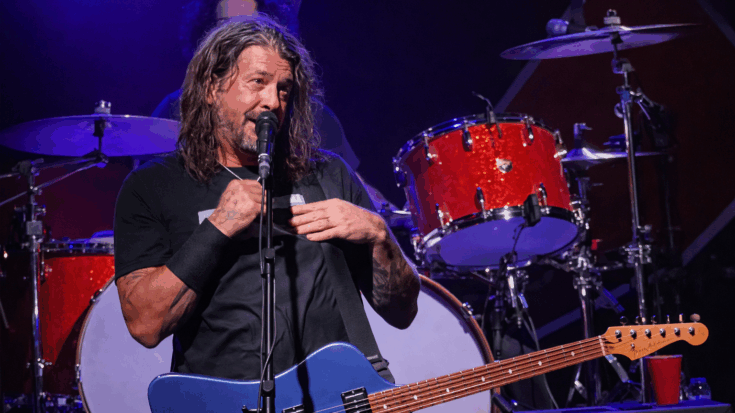
via "kroq" / Youtube
Courtney Love has renewed discussion around her long-running relationship with Foo Fighters frontman Dave Grohl, calling on him to publicly acknowledge that their decades-old feud has come to an end. Speaking on The Magnificent Others podcast with Billy Corgan, Love framed her remarks as a direct appeal for transparency, urging Grohl to address the narrative that continues to surround them.
Her comments suggest that while tensions may have eased privately, the absence of a clear public statement has allowed speculation—and hostility from fans—to persist.
A Public Appeal for Closure
At the center of Love’s remarks was a call for Grohl to openly confirm that they are no longer at odds. She argued that such a statement would help put lingering misconceptions to rest.
“Like, come out with it and just say we’re cool. Like, come out with it. Right? Be man enough to man up. We’re cool, but you won’t say it because you’re afraid you’ll lose your audience?” Love said.
She emphasized that without a definitive acknowledgment from Grohl, the narrative of conflict continues to overshadow any progress made behind the scenes.
Fan Perception and Generational Divide
Love also addressed how Grohl’s fanbase has influenced her public image over the years. She suggested that criticism directed at her is still largely driven by a specific demographic within his audience.
“Dave. It would really behoove me if the straight white males that are your base, if you will, stop picking on me. Millennials in particular. Gen Z is not picking on me anymore,” she continued.
Her comments pointed to a perceived generational shift, with younger listeners showing less attachment to the controversies that once defined her reputation.
A Feud Rooted in Rock History
The friction between Love and Grohl dates back more than three decades, originating in the aftermath of Nirvana’s dissolution following Kurt Cobain’s death in 1994. Legal disputes over the band’s estate reportedly stretched on for years, deepening divisions between the two figures who were once closely linked through Cobain and the band’s legacy.
The conflict also found expression in music. Grohl has previously confirmed that Foo Fighters’ 1995 single “I’ll Stick Around” was written about Love, adding a creative dimension to their personal differences.
“I couldn’t write a song about Dave Grohl to save my life. He’s written like, four songs about me and they’re hits. I’m like, wait what? Like, what about me? I don’t get it,” Love said.
Love’s latest remarks highlight how unresolved narratives from the 1990s continue to echo through modern rock culture, where legacy, myth, and media perception often blur. More than a personal dispute, the Love-Grohl dynamic reflects the lingering weight of Nirvana’s cultural impact—an era that still shapes how its key figures are remembered and judged.
In calling for a public acknowledgment, Love appears less concerned with revisiting old conflicts and more focused on reclaiming her place within that history on her own terms. Whether Grohl responds or remains silent, her comments signal an ongoing effort to reshape a story that, for decades, has largely been told without her voice at the forefront.