




Catherine O’Hara Reveals Rare Heart Condition That Few People Know About
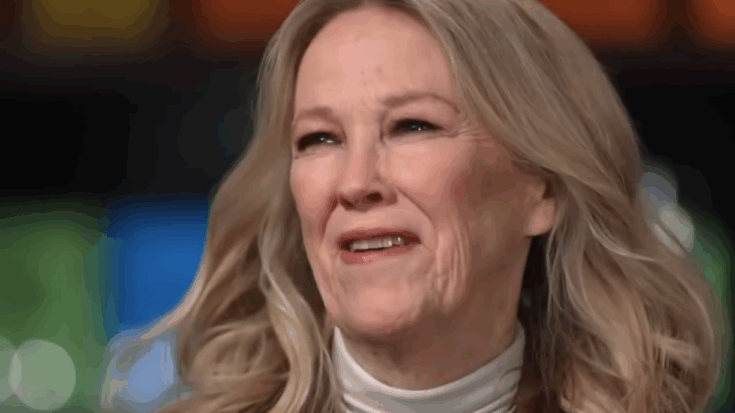
via TODAY / Youtube
Hollywood veteran Catherine O’Hara, best known for her work in film and television comedy, died Friday at age 71 after being hospitalized in Los Angeles in serious condition.
Paramedics were dispatched to the actress’s home and transported her to a nearby hospital, where she later died, according to Page Six. Her agency confirmed that she passed away “following a brief illness,” though an official cause of death has not yet been released.
O’Hara, whose career spanned decades and included iconic performances in Schitt’s Creek, Home Alone, and Beetlejuice, was also known to live with a rare congenital condition known as dextrocardia with situs inversus. Whether that condition played any role in her death remains unclear.
A Hidden Condition Revealed by Chance
Dextrocardia with situs inversus is an uncommon birth defect in which the organs in the chest and abdomen are positioned as a mirror image of typical anatomy, according to the Cleveland Clinic. In such cases, the heart may sit on the right side of the chest, while organs like the liver and spleen are reversed.
O’Hara did not learn she had the condition until adulthood. In a 2021 interview, she recalled discovering it during routine medical testing while accompanying her husband, production designer Bo Welch, for tuberculosis screening required for their son’s nursing school application.
“When the doctor told us that my heart was on the right side and my organs were flipped, my husband immediately said, ‘No, her head’s on backwards,’” O’Hara said, laughing as she recalled the moment.
Living with a Mirrored Anatomy
The condition affects roughly one in 10,000 people and is more common in men. Public figures such as Enrique Iglesias and Donny Osmond have also spoken publicly about living with it.
Doctors believe the condition is linked to genetic mutations and is inherited through an autosomal recessive pattern, meaning both parents must carry the gene. Many people experience no symptoms, as the organs continue to function normally despite being reversed.
However, the mirrored placement can complicate medical diagnosis later in life, as pain or symptoms may appear in unexpected locations. In some cases, the condition is associated with additional congenital disorders that can cause breathing problems, chronic infections, fatigue, jaundice, or bluish skin due to reduced oxygen levels, according to Johns Hopkins Medicine. It has not been disclosed whether O’Hara experienced any such complications.
Remembering a Life Beyond the Headlines
Dextrocardia with situs inversus typically does not require treatment, and most individuals with the condition live normal life spans. Medical care is generally focused on managing unrelated complications if they arise.
While questions remain about whether the condition contributed to O’Hara’s death, her passing has prompted renewed attention not only to her health history but also to the breadth of her cultural impact. Revered for her sharp comedic timing, emotional range, and enduring presence across generations of film and television, O’Hara carved out a career that balanced mainstream success with critical respect.
She is survived by Welch, her husband of 33 years, and their two sons, Matthew and Luke. As tributes continue to pour in from fans and colleagues alike, O’Hara is being remembered less for the rare condition she quietly lived with and more for the unforgettable characters she brought to life—performances that remain woven into popular culture long after her final bow.