





73 Seconds Into History: Remembering the Seven Lives Lost on Challenger
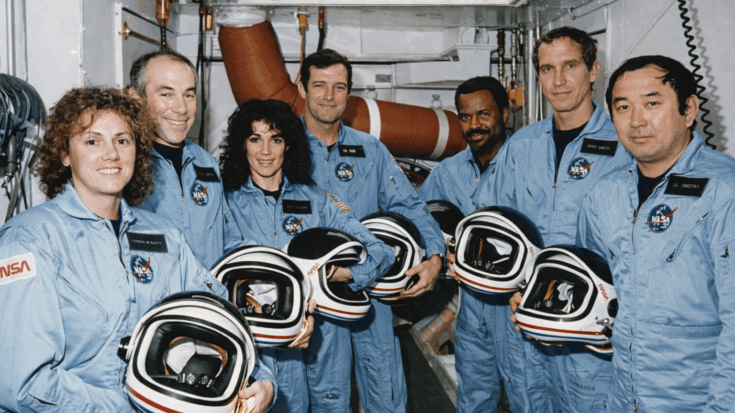
Forty years ago today, the United States experienced one of the most devastating moments in the history of space exploration.
On January 28, 1986, the Space Shuttle Challenger disintegrated just 73 seconds after liftoff, killing all seven crew members on board. What was meant to be a routine mission became a national tragedy, witnessed live by millions around the world.
A Launch Watched by Millions
The Challenger lifted off from Kennedy Space Center on a cold Florida morning, carrying a crew that symbolized both experience and possibility. Among them was Christa McAuliffe, a high school teacher selected to become the first civilian educator in space. Classrooms across the country tuned in, turning the launch into a shared national event. Moments after liftoff, a sudden fireball appeared in the sky as the shuttle broke apart, leaving viewers stunned and confused.
The Cause Behind the Disaster
In the months that followed, investigators determined that the explosion was caused by the failure of O-ring seals in one of the solid rocket boosters. The unusually cold temperatures on launch day compromised the seals, allowing hot gases to escape and ultimately destroy the external fuel tank. The investigation also revealed deeper issues, including flawed decision-making and communication failures within NASA and its contractors.
A Legacy That Endures
The Challenger disaster led to sweeping changes in NASA’s safety culture, engineering practices, and launch procedures. The shuttle program was grounded for nearly three years while reforms were implemented. More importantly, the tragedy reshaped how risk is assessed in human spaceflight.
Four decades later, the seven crew members are remembered not only for how they died, but for why they flew. Their loss remains a solemn reminder of the dangers of exploration and the responsibility that comes with pushing the boundaries of human achievement. The lessons of Challenger continue to influence space missions today, ensuring that its legacy endures far beyond those tragic 73 seconds.