




5 Rock Songs From 1968 That Got Better With Time
via The Rolling Stones / youtube
The upheaval of 1968—marked by political unrest, a growing youth movement demanding change, and the assassinations of Martin Luther King Jr. and Robert F. Kennedy—left a deep imprint on the music of the era. Rock songs released during this period often mirrored the instability and urgency of the time. Yet, nearly six decades later, several of these tracks don’t just endure—they feel even more compelling and relevant today.
Among them is Pink Floyd’s “Set the Controls for the Heart of the Sun,” a hypnotic, otherworldly piece infused with imagery drawn from ancient Chinese poetry. Its immersive, psychedelic atmosphere remains strikingly fresh. Likewise, The Band’s “The Weight” blends rock, folk, gospel, and soul into a seamless whole, weaving Biblical symbolism into a mysterious narrative that continues to resonate across generations. These songs—and others from 1968—have proven their ability to transcend time.
“Set the Controls for the Heart of the Sun” — Pink Floyd
Featured on the band’s second album, A Saucerful of Secrets, this track evokes a sense of cosmic distance and quiet menace. Its unconventional arrangement—highlighted by Richard Wright’s vibraphone, Nick Mason’s jazz-influenced percussion, and layers of echo, reverb, and ambient effects—creates a soundscape that feels untethered from any specific era or place.
Roger Waters’ lyrics deepen the song’s mystique, drawing in part from 9th-century Chinese poetry. Lines such as “Little by little the night turns around / Counting the leaves which tremble at dawn” enhance its dreamlike quality, while the repeated refrain, “Set the controls for the heart of the sun,”—inspired by Michael Moorcock’s The Fireclown—adds a ritualistic intensity. Notably, this was Waters’ first major contribution during a transitional phase for the band, as Syd Barrett exited and David Gilmour joined. Regardless of its historical context, the track still sounds remarkably modern.

“Sympathy for the Devil” — The Rolling Stones
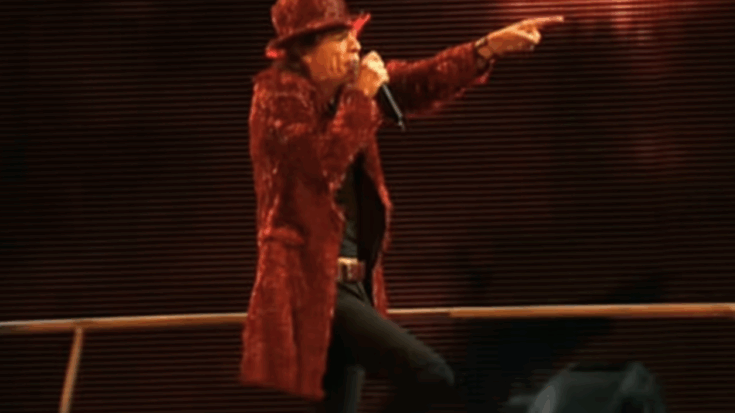
Though often mistaken as a tribute to Satan, this standout from Beggars Banquet is in fact a sharp critique of humanity’s capacity for cruelty. The song suggests that while figures like Lucifer may symbolize evil, responsibility ultimately lies with “you and me.”
Driven by a distinctive samba rhythm, lively piano, and Mick Jagger’s charismatic performance as a suave narrator, the track moves through pivotal historical events—from the crucifixion of Jesus to the assassinations of the Kennedy brothers. Its message remains potent, as the song continues to reflect the darker aspects of human behavior long after the 1960s. While many songs on Beggars Banquet retain their freshness, “Sympathy for the Devil” stands out for its enduring moral confrontation.
“White Light/White Heat” — The Velvet Underground
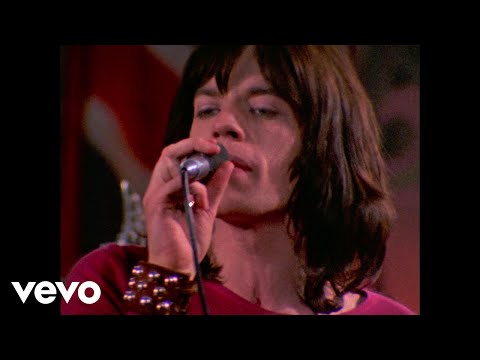
The raw, abrasive energy of this track—taken from the band’s second album—belies its age. With its distorted guitars, driving rhythm, and boogie-woogie piano, the song feels like a precursor to punk rock. Unlike some of the album’s more chaotic cuts, it maintains a semblance of traditional structure, giving it a surprising accessibility.
Recorded in just two days after Lou Reed dismissed manager Andy Warhol, the album’s rough production contrasts sharply with the studio experimentation of contemporaries like the Beatles and the Beach Boys. While often interpreted as a song about amphetamine use, Reed also linked it to themes of enlightenment, suggesting a tension between physical sensation and spiritual awakening—an idea that still resonates.

“Crown of Creation” — Jefferson Airplane
With its driving rhythm, layered harmonies, and fuzz-drenched guitar work, “Crown of Creation” captures the restless spirit of its time while still sounding urgent today. Grace Slick’s commanding vocals deliver lyrics that hint at rebellion and transformation, calling for resistance against entrenched power structures.
Paul Kantner drew inspiration from John Wyndham’s science fiction novel Re-birth, which explores a future where the old guard persecutes a new generation of evolved humans. The parallels to the social upheaval of 1968 are clear, and the song’s themes of generational conflict and resistance remain strikingly relevant in contemporary society.

“The Weight” — The Band
“The Weight,” from Music From Big Pink, carries such gravitas that it never feels like a relic. Its narrative unfolds through vivid characters and Biblical references—Nazareth, the devil, and the Day of Judgment—set against a richly textured musical backdrop.
Robbie Robertson once described the song as “a kind of American mythology I was reinventing using my connection to the universal language.” That sense of universality is key to its longevity. The fusion of genres, tight vocal harmonies, and diverse instrumentation—mandolin, organ, and piano—gives it a timeless quality. Its enduring appeal is evident in the more than 100 cover versions recorded over the years, from Aretha Franklin to later acts like Weezer and Travis.

Enduring Echoes of 1968
Taken together, these songs illustrate how the music of 1968 captured a moment of profound change while also transcending it. Whether through experimental soundscapes, moral introspection, or mythic storytelling, they continue to speak to modern listeners. Far from fading into history, these tracks feel as vital—and perhaps even more impactful—today, proving that great music doesn’t just survive time; it evolves with it.