




4 Classic Rock Songs That Sound Empty Once the Music Stops
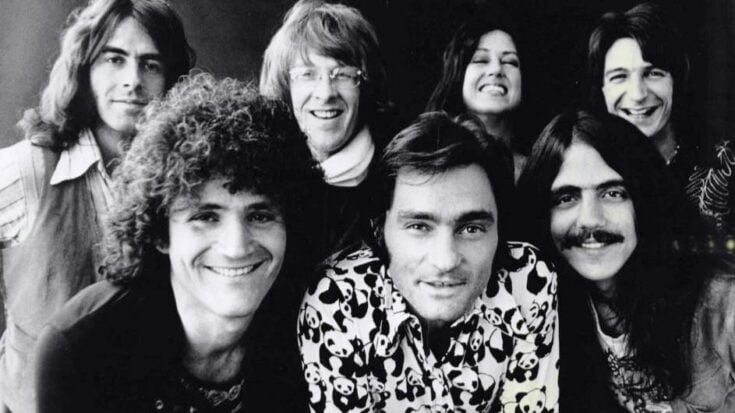
Photo by Grunt-RCA Records, Public domain, via Wikimedia Commons
Classic rock songs often become famous because of strong melodies, loud guitars, and production that fills arenas. Many tracks were built to create energy first, with lyrics playing a smaller role in the overall experience. When listeners focus only on the words without the music, some well-known hits feel simpler than their reputation suggests.
This does not mean these songs failed or lacked influence. In fact, each became popular precisely because of sound, performance, and timing. Still, critics and fans have long pointed out that once the instruments fade, certain lyrics appear repetitive or unclear. Below are four classic rock songs frequently discussed for relying more on atmosphere than lyrical depth.
“We Built This City” – Starship (1985)
Released during the mid-1980s, “We Built This City” marked a major shift for Starship from its earlier roots connected to Jefferson Airplane and Jefferson Starship. The song became a commercial success, reaching No. 1 on the Billboard Hot 100 and receiving heavy radio rotation. Its polished production, synthesizers, and large chorus helped define the sound of mainstream rock radio at the time. The track was designed for wide appeal, combining pop structure with rock imagery that reflected the growing influence of commercial broadcasting on music culture.
Despite its success, critics often focused on the lyrics, which many listeners found confusing or disconnected from the theme of defending rock music. Lines such as “Marconi plays the mamba” and references to “knee-deep in the hoopla” became widely debated. Reviews over the years have described the words as vague slogans rather than storytelling. Without the energetic arrangement and layered production, the song’s message feels less clear, which is why it regularly appears on lists discussing songs remembered more for sound than lyrical meaning.

“Unskinny Bop” – Poison (1990)
Poison released “Unskinny Bop” during the later years of glam metal’s popularity, and it quickly became one of the band’s biggest hits. Built around a driving rhythm and catchy guitar work, the track reached the Top 10 in the United States and became a staple of early 1990s rock radio. The band aimed to create a fun, sing-along anthem rather than a serious statement, focusing on hooks that audiences could easily remember during live performances and radio play.
The lyrics themselves were intentionally simple. Singer Bret Michaels later explained that the phrase “Unskinny Bop” was chosen because it sounded rhythmic rather than meaningful. Much of the song repeats short phrases designed to match the beat instead of telling a detailed story. Critics have noted that once the instruments are removed, very little narrative remains. The repetition works well alongside loud guitars and crowd energy, but on paper the words function mainly as sound patterns supporting the music.

“A Horse with No Name” – America (1971)
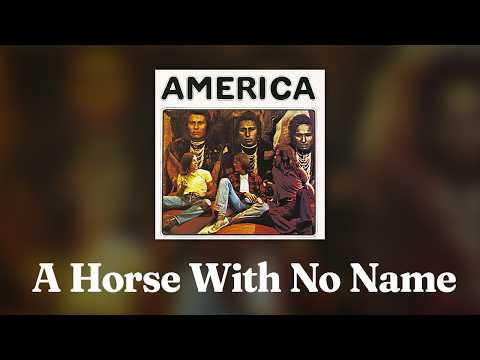
America’s breakthrough hit “A Horse with No Name” became famous for its calm acoustic style and desert imagery. Released in 1971, the song reached No. 1 on the Billboard chart and introduced the band to a wide audience. Its steady rhythm and layered harmonies created a relaxed listening experience that stood apart from heavier rock music of the same era. Many listeners connected with the mood of isolation and reflection suggested by the arrangement.
However, the lyrics drew mixed reactions even at the time of release. Some critics argued that lines such as “the heat was hot” sounded overly simple, while others questioned the abstract storytelling. The repeated structure and minimal narrative detail led to claims that the words relied heavily on mood rather than meaning. Without the hypnotic acoustic pattern and vocal harmony, the song’s text alone feels repetitive, which explains why debates about its lyrical depth have continued for decades.
“My Sharona” – The Knack (1979)
“My Sharona” helped launch The Knack to sudden fame in 1979, becoming one of the biggest rock singles of the year. Driven by a sharp guitar riff and energetic rhythm, the track topped the Billboard Hot 100 for six weeks. Its success reflected a return to straightforward rock after years dominated by disco, and audiences responded strongly to its raw sound and memorable beat. The song’s opening riff remains one of the most recognizable in rock history.
While musically powerful, the lyrics rely heavily on repetition and simple phrasing centered on attraction and youthful energy. Much of the song repeats the title name and short lines that follow the rhythm rather than developing a deeper theme. Critics have long argued that the excitement comes mainly from performance and instrumentation. When separated from the famous riff and vocal delivery, the written words appear basic, showing how strongly the music itself carries the song’s lasting impact.