





10 Classic Rock Songs So Controversial They’d Never Survive Today
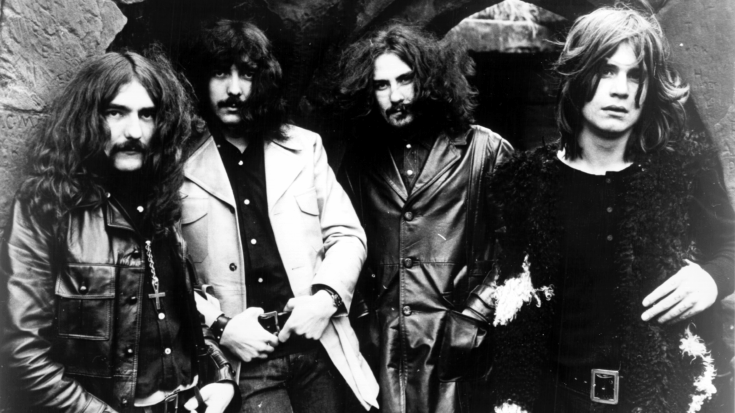
Photo by Warner Bros. Records, Public domain, via Wikimedia Commons
Some rock songs push limits in ways that make people uncomfortable. Certain tracks explore dark subjects like death, addiction, and violence, while others show disturbing honesty from the artist’s mind. These songs may shock listeners, but they also capture intense emotions that many fans still remember today.
Artists often create such songs either from fiction or personal experience. Fiction allows them to imagine stories that are frightening or unsettling, while personal honesty means sharing thoughts that are private and painful. Both approaches can lead to songs that are haunting and memorable, even if they would likely face backlash today.
The Doors – ‘The End’ (1967)
“The End” is an 11-minute song that blends rock music with dark poetry. Jim Morrison’s lyrics touch on death, fear, and complex family themes. His vocal delivery builds tension, making the track feel intense and unsettling for most listeners. The music also moves from calm passages to chaotic sections.
During the song’s second half, Morrison recites lines about killing his father, adding shock value to the music. The track gained wider attention when it opened the movie Apocalypse Now. Its long, intense structure and controversial subject matter make it a song that could face censorship if released today.

Black Sabbath – ‘Black Sabbath’ (1970)
The title track of Black Sabbath’s debut album set a new tone for heavy metal. Its slow, distorted riffs and dark lyrics created a feeling of fear and suspense. The music mixes horror elements with rock, influencing countless musicians and bands that followed, including Metallica and other metal acts.
James Hetfield of Metallica recalled sneaking the album from his brother’s collection and feeling scared while listening alone. The track’s focus on the occult and dark themes, paired with its heavy sound, made it groundbreaking but also highly controversial in its time and by today’s standards.

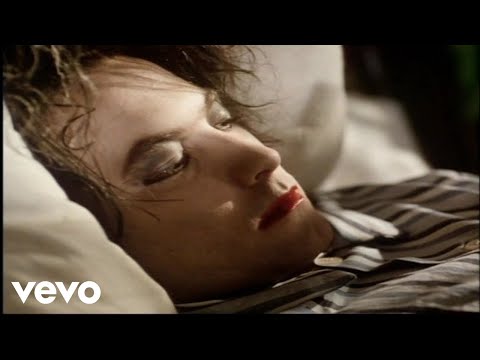
The Cure – ‘Lullaby’ (1989)
“Lullaby” appears calm at first, but its lyrics tell a story of fear and danger. Robert Smith describes a giant spider crawling into a bedroom and threatening someone. The repeated phrase “don’t struggle” makes the song more frightening, contrasting its gentle melody with disturbing imagery.
While The Cure often created approachable goth music, this track dives into nightmares. Its combination of light instrumentation with horrifying storytelling makes it memorable and unusual. The unsettling content would likely be challenged in modern contexts, even though it remains a classic example of 1980s alternative music.
Nirvana – ‘Scentless Apprentice’ (1993)
Kurt Cobain wrote “Scentless Apprentice” after reading Patrick Süskind’s novel Perfume, which focuses on murder and obsession. The song channels this disturbing story while reflecting Cobain’s own struggles and frustrations. Its raw vocals and heavy guitar make it intense and hard to ignore.
Dave Grohl noted a line in the song that gave him chills, showing how personal the track felt. The mix of literary inspiration, dark content, and aggressive music makes this song a strong example of a track that might not be released in today’s climate without controversy.

The Velvet Underground – ‘Heroin’ (1967)
Lou Reed wrote “Heroin” as a reflection of personal experience, describing the effects of drug use in an honest and raw way. The slow tempo and repetitive structure build tension, making listeners feel the discomfort of addiction. It presents a grim look at a dangerous lifestyle.
Despite Reed’s intentions, the song was sometimes seen as promoting drug use. Fans reportedly related to the music in unintended ways. The track’s honest portrayal of substance abuse and its emotional intensity would likely be scrutinized or restricted if released in a modern mainstream setting.

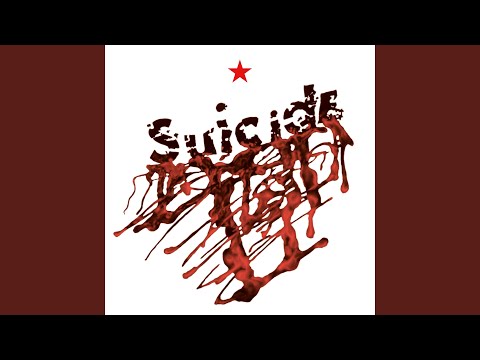
Suicide – ‘Frankie Teardrop’ (1977)
“Frankie Teardrop” is a 10-minute synth-punk track inspired by a news story of a factory worker who killed his family and himself. The repetitive electronic music and Alan Vega’s anguished vocals create a tense and frightening atmosphere that reflects the tragedy’s horror.
The song influenced other artists, including Bruce Springsteen for Nebraska. Its disturbing story, combined with minimalist music, makes it unsettling to listen to. Today, this track’s graphic subject matter would likely be criticized or removed from mainstream platforms due to its violent content.
Tom Waits – ‘The Ocean Doesn’t Want Me’ (1992)
This experimental song has Tom Waits using his deep, gravelly voice over ambient sounds. The lyrics describe wanting to walk into the ocean and not return, creating a bleak and unsettling image. The unusual structure feels more like sound design than traditional music.
Waits blends storytelling with ambient effects to produce a track that leaves listeners uneasy. Its dark tone and focus on suicidal imagery make it highly sensitive content. Releasing such a song today might raise concerns about mental health triggers and public safety.

Slayer – ‘Hell Awaits’ (1985)
Slayer’s “Hell Awaits” focuses on hell, the devil, and violent imagery. The fast, aggressive riffs and growled vocals create an intimidating sound. Listeners are confronted with graphic depictions of pain and suffering, making it one of the band’s most disturbing tracks.
Some fans noticed backward messages in the recording, which added to the song’s controversial reputation. Its emphasis on extreme religious imagery, hidden messages, and violent content makes it a track that would likely face censorship or protests if released today.

The Beatles – ‘Revolution #9’ (1968)
“Revolution #9” is an experimental track from The White Album. It mixes tape loops, reversed sounds, and spoken phrases to create an abstract and confusing composition. John Lennon described it as exploring new possibilities for music, but many listeners found it disturbing and chaotic.
The song’s disjointed audio, repetition, and random effects create an unsettling listening experience. Its lack of traditional melody and confrontational style make it controversial. Releasing it in today’s commercial environment would likely cause debate over its accessibility and suitability for mainstream audiences.

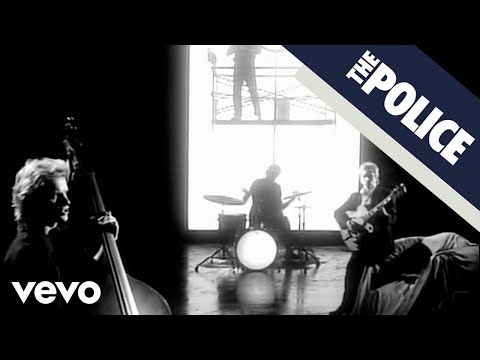
The Police – ‘Every Breath You Take’ (1983)
While often mistaken for a love song, “Every Breath You Take” is about obsession and surveillance. Sting wrote it from the perspective of a controlling figure, highlighting jealousy and possessiveness. Its gentle melody contrasts sharply with its disturbing lyrics.
The track’s popularity led many listeners to overlook the darker meaning. Sting himself described the song as “nasty” and “evil.” Today, its themes of stalking and control would likely be criticized or restricted, despite the song remaining a widely recognized classic.






.png)