




10 Classic Rock Love Songs That Are Surprisingly Creepy
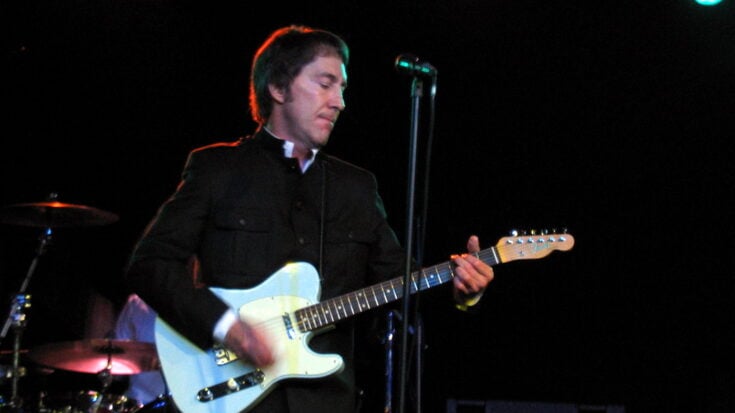
Photo by James No from Seattle, WA, CC BY 2.0, via Wikimedia Commons
Love songs often sound warm, romantic, and harmless on the surface. But when you listen a little closer, some classic rock favorites reveal lyrics that feel unsettling today. These tracks hide dark ideas behind catchy melodies and familiar hooks. What once passed as passion can now sound controlling, obsessive, or worse. Here are ten classic rock love songs that still spark debate, even decades later.
The Beatles – “Run for Your Life”
The Beatles helped define pop songwriting, but this track from Rubber Soul stands apart for uncomfortable reasons. Musically, it sounds bright and upbeat, fitting neatly into the band’s mid-60s sound. The problem lies in the lyrics, which frame jealousy as a threat rather than emotion.
“I’d rather see you dead, little girl / Than to be with another man” is a line that stops listeners cold today. John Lennon later admitted he disliked the song. While inspired by an Elvis lyric, the message feels harsh, showing how even beloved bands carried darker ideas.

The Knack – “My Sharona”
“My Sharona” is driven by one of rock’s most famous riffs, making it easy to overlook its meaning. The song feels playful and energetic, which helped it dominate radio in 1979. But the lyrics tell a different story once examined.
Doug Fieger wrote the song about a real person who was still a teenager. Lines like “Always get it up for the touch of the younger kind” feel deeply troubling now. What once sounded like harmless lust has become a clear example of how context can change a song’s meaning.
Nirvana – “Drain You”
At first, “Drain You” sounds sweet and almost innocent. It opens with gentle lines about connection and closeness. The melody is catchy, and the song sits comfortably among Nirvana’s more accessible work from Nevermind.
Then the lyrics turn graphic and disturbing. Kurt Cobain mixes love with images of infection, control, and consumption. Phrases like “It is now my duty to completely drain you” twist affection into something unhealthy. The song captures emotional obsession in a way that still unsettles listeners.

Ted Nugent – “Jailbait”
“Jailbait” does not hide its intent. The song’s title alone signals trouble, yet the upbeat guitar work masks the seriousness of its subject. On first listen, it may sound like standard hard rock.
The lyrics openly describe attraction to underage girls. Over the years, Nugent has defended the song, but its content has aged poorly. What once passed without much backlash now feels alarming, showing how social standards around consent and power have shifted.

The Police – “Every Breath You Take”
This song is often mistaken for a romantic anthem. Weddings and slow dances helped cement that image. Musically, it is smooth and restrained, reinforcing the illusion of devotion.
Sting has been clear about its meaning. “It’s about jealousy and surveillance and ownership,” he said. The lyrics describe constant watching and control, not love. Once you hear it that way, the song becomes far more disturbing than its gentle sound suggests.

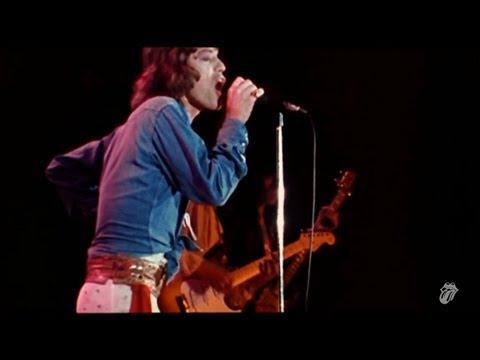
The Rolling Stones – “Brown Sugar”
“Brown Sugar” remains one of the Stones’ most debated songs. It blends a catchy groove with lyrics that reference slavery and sexual exploitation. When it was released, it topped charts and became a staple of classic rock radio.
Over time, criticism grew stronger. Mick Jagger has changed lyrics in live shows and later stopped performing the song altogether. Its subject matter now feels impossible to separate from its tone, making it a clear example of how context reshapes legacy.
Alice Cooper – “I Love the Dead”
Alice Cooper built a career on shock, and this song pushes that idea far. “I Love the Dead” uses dark humor and theatrical imagery, set to dramatic rock arrangements. On record, it feels cold and unsettling.
Lyrics about obsession with the dead cross lines even within shock rock. Cooper later downplayed the song’s seriousness, but the words remain disturbing. It shows how provocation itself can become the point, even when it makes listeners uncomfortable.

Neil Young – “Revolution Blues”
Inspired by Charles Manson, this song is more thriller than love story. Neil Young channels paranoia and violence through a first-person voice. The music feels tense, matching the lyrics’ danger.
Lines about killing famous people and taking control blur fantasy and threat. While not a traditional love song, its twisted devotion to chaos places it firmly among rock’s creepiest tracks. Even Young’s bandmates reportedly found it unsettling.

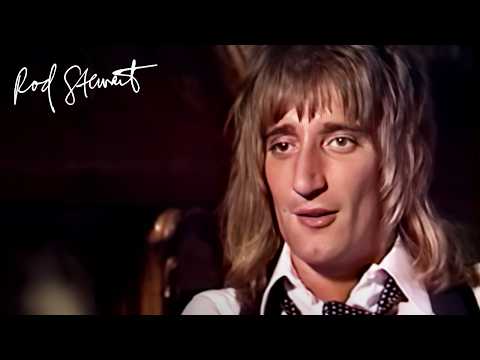
Rod Stewart – “Tonight’s the Night”
“Tonight’s the Night” is framed as seductive and intimate. Stewart’s voice adds warmth, and the melody feels soft and inviting. For years, it was treated as a slow, romantic favorite.
A closer look reveals pressure rather than mutual desire. The lyrics suggest urgency and expectation, leaving little room for consent. What once sounded smooth now feels uneasy, showing how romance can slide into discomfort.
Ringo Starr – “You’re Sixteen”
This song sounds cheerful and innocent, with a lighthearted melody. It became a hit and fit easily into early-70s pop radio. At the time, few questioned its message.
Today, the lyrics raise concerns. Praising a girl’s age so directly feels uncomfortable. While reflective of its era, the song highlights how norms have changed and why some lyrics no longer sit well with modern listeners.