




The Unsung Hero Behind the Rolling Stones’ Signature Style
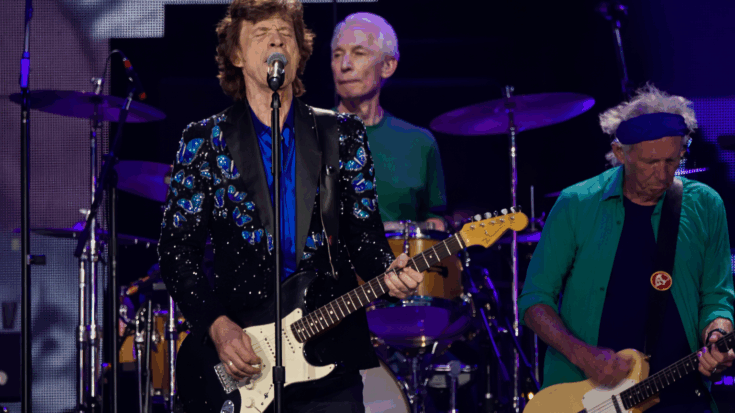
via " The Rolling Stones" Youtube
Being the drummer for The Rolling Stones would typically imply a life immersed in excess. With Mick Jagger and Keith Richards embodying rock and roll decadence, and contemporaries like Keith Moon, John Bonham, and Ginger Baker redefining the role of the hard-living drummer, chaos seemed almost a prerequisite.
Yet Charlie Watts stood in stark contrast. Rather than indulging in the hedonism surrounding him, he maintained a composed and measured lifestyle. This restraint extended beyond his personal life and into his musicianship. While others attacked the kit with force and flair, Watts adopted a subtle, controlled approach, becoming the stabilising force within one of rock’s most unpredictable bands.
The Jazz Foundation Behind the Stones’ Sound
Watts’ distinctiveness as a drummer lay in his origins. Unlike many of his peers, he did not come from a rock background but from jazz—a genre that prioritised feel, swing, and nuance over sheer power. Mick Jagger highlighted this difference when reflecting on his bandmate’s style.
“I’ve never played with a drummer quite like him,” Jagger remarked, before elaborating on what set Watts apart. “He really swings. That’s the bottom of it. A lot of drummers are great, but they don’t really swing. Charlie is not a power drummer. He’s a swing drummer, which I suppose shows that he’s a jazz drummer; he started being a jazz drummer. I don’t think he ever thought of playing rock and roll. Rock and roll was a dirty word to him, I should think, when he was growing up, because he liked all these jazz drummers that play with a very light touch, swing drummers that never played eights. Charlie, I don’t think, ever played eights, when I met him.”
This jazz sensibility became a defining feature of The Rolling Stones’ early sound, giving the band a rhythmic identity that distinguished them from their contemporaries.
Adapting Without Losing Identity
As the band’s music evolved into a harder, more aggressive form of rock and roll, Watts was compelled to adjust. The growing intensity of Jagger and Richards’ songwriting required a heavier rhythmic backbone, and Watts responded by incorporating stronger shuffle patterns into his playing.
Still, his core style remained intact. “Then he had to get into playing heavier shuffles, but he plays it with a very light touch,” Jagger explained. “He loves all those blues drummers of the period, like on Chuck Berry’s records and the drummers that play with Muddy Waters. Those kind of shuffle drummers. When you listen to those records, you can’t really hear the drums like you hear them now, but it just swings like crazy.”
Though often overshadowed by the band’s more flamboyant figures, Watts’ contribution was fundamental. His understated, jazz-infused drumming quietly unified The Rolling Stones’ sound, making a compelling case that the band’s true backbone was not its most visible members, but its most restrained.