




The Songs That Shaped Dave Grohl’s Seattle Years
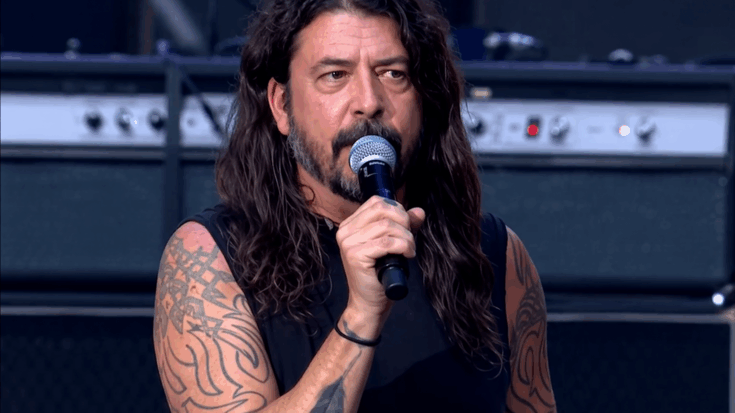
via "ThePretenders" / Youtube
The 1960s belonged to London. California claimed the 1970s. But in the 1990s, Seattle became the defining hub of a new musical revolution. At the heart of that movement stood a young Dave Grohl, absorbing the raw energy of a scene that would soon reshape rock history.
Seattle’s rise was not just about geography—it was about distance from the industry’s traditional power centers. Time and again, the most compelling music has emerged from places just outside the spotlight. In Britain, bands like Oasis and Pulp thrived away from London’s cutthroat expectations, while in the United States, groups such as The B-52s developed their identity in less conventional scenes. Freed from the pressure to manufacture hits, these artists often found a more authentic voice.
This recurring pattern raises a compelling question within the industry: Can true greatness be achieved when it is the primary goal? Many of rock’s most influential acts emerged not from calculated ambition, but from environments that allowed experimentation without expectation.
A Crash Course in the Underground
Growing up in Washington State, Grohl spent his formative weekends moving between Seattle and Olympia, where a new wave of grunge and alternative rock was taking shape. Although he had already played in several bands, this was the first time he encountered a scene driven less by technical precision and more by instinct and emotional honesty.
These were not typical high school musicians chasing radio play. Instead, they were local performers building dedicated followings—figures who, in Grohl’s eyes, represented the pinnacle of musical expression. The experience proved transformative, offering him an informal yet profound education that would eventually lead to his breakthrough.
That turning point came when Kurt Cobain took notice and invited Grohl to join Nirvana. Together, they would go on to redefine the boundaries of rock music. Yet Grohl’s foundation was not built solely on distortion and aggression—it was deeply rooted in the past.
From Lead Belly to Unplugged
Among Grohl’s earliest and most significant influences was Lead Belly, the Louisiana-born blues and folk pioneer. At first glance, Lead Belly’s stripped-down style seems far removed from Nirvana’s explosive sound. However, beneath the band’s intensity lay a sensitivity that echoed those earlier traditions.
One song in particular left a lasting impression: “Where Did You Sleep Last Night.” Its haunting, almost gothic tone resonated deeply with Grohl during a period of personal isolation. Reflecting on that time, he said, “I was lonely,” adding, “That was the soundtrack to my first six months in Olympia [Washington]. I listened to it every day – when the sun wouldn’t come up, when it went down too early and when it was cold and raining.”
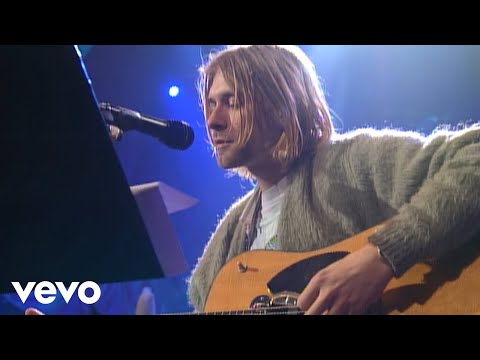
The track’s emotional weight and stark simplicity made it feel timeless—an ideal bridge between generations of music. When Grohl and Cobain discovered their shared admiration for the song, it became a defining connection between them. Their eventual decision to perform it during Nirvana’s appearance on MTV Unplugged was more than a cover—it was a culmination.
In that moment, past and present converged. The raw intimacy of Lead Belly’s original found new life through Nirvana, underscoring the enduring thread that connects the roots of American music to its most revolutionary evolutions.