




The Guess Who Hit With a New Lawsuit
via The Canadian Press / youtube
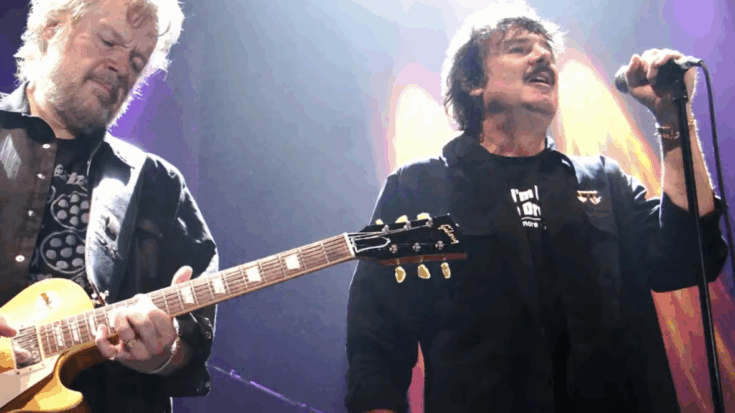
Primary songwriters Burton Cummings and Randy Bachman have reunited for a tour after a legal battle over the rights to use the name The Guess Who. However, their dispute has not been fully resolved.
Their Takin’ It Back Tour launched in Canada over the weekend, marking the first time Cummings and Bachman have performed together in many years. The reunion performance happened shortly after former bandmates Jim Kale and Garry Peterson filed a lawsuit challenging how Cummings regained control of the band’s name.
Although Cummings had not been performing with the group for years, he still retained ownership rights to several of their biggest hits. Together with Bachman, he co-wrote major chart successes such as “These Eyes,” “No Time,” and “American Woman.” By canceling previous licensing agreements, Cummings prevented the existing version of The Guess Who from performing these songs live, forcing them to cancel several scheduled performances.
A Bold Decision That Reshaped the Band’s Legacy
Cummings’ move also meant sacrificing a significant source of revenue. Since no one else could perform those songs, royalty income from concerts, television, film placements, and radio broadcasts suddenly stopped.
This situation eventually led Kale and Peterson to enter negotiations. After The Guess Who disbanded in the mid-1970s, they had taken control of the group’s name, though they were not consistently performing. Cummings and Bachman criticized those performances as misleading because they did not include key original members. Following extended arbitration, Cummings and Bachman announced their official return under the Guess Who name.
Kale and Peterson have now filed a complaint against BMI, the performance rights organization, claiming they suffered major financial losses after the termination of their agreement. They had spent months preparing for a U.S. tour through booking agency BiCoastal Productions. According to their claim, BMI’s chief legal officer notified them during a soundcheck that their licensing agreement had been terminated immediately.
As a result, they canceled their scheduled performance that night along with the remainder of the tour. Kale and Peterson argue that BMI should have provided advance notice, stating in their lawsuit that copyright termination cannot be enforced instantly in a way that disrupts already planned and promoted concerts.
How the Dispute Began
Randy Bachman co-founded The Guess Who in 1966 before Burton Cummings joined as lead vocalist. Bachman left the band in 1970 to form Bachman-Turner Overdrive, and the group officially disbanded in 1975. Although Cummings later reunited with Bachman for occasional performances, the band continued without them, starting in the late 1980s.
Original bassist Jim Kale eventually secured rights to the band’s name and was later joined by founding drummer Garry Peterson. Kale retired in 2016, and Peterson stopped performing regularly with the group. In 2023, Bachman and Cummings accused them of false advertising, claiming promotional materials sometimes used their likenesses.
After the arbitration concluded, Bachman and Cummings announced a reunion tour last November. The 12-city Canadian tour began in Niagara Falls and will run through August. They are also scheduled to perform during February’s Rock Legends Cruise XIII departing from Fort Lauderdale, Florida.
Band management clarified that the new lawsuit does not directly involve the current lineup of The Guess Who. They stated that Kale and Peterson have no legal authority to use the band’s trademark name and emphasized that the lawsuit does not involve any dispute between Cummings and Bachman.
BMI Responds to the Allegations
Kale and Peterson have accused BMI of multiple offenses, including fraud, breach of fiduciary duty, interference with contracts, and negligent misrepresentation. Their lawsuit seeks millions of dollars in damages, claiming BMI acted intentionally and maliciously.
They also argue that allowing immediate termination of licensing agreements exposes serious flaws in the process. Their attorney, Michael Machat, told Rolling Stone that venues were left without replacement performers, causing some events to be canceled entirely. He emphasized that most business contracts require prior notice.
BMI has rejected the accusations, stating that the lawsuit lacks merit. The organization said it acted properly based on information provided by SOCAN, the foreign agency representing the copyright holders, and stands by its decision.