




The Faces Member Rod Stewart Called a True Pro
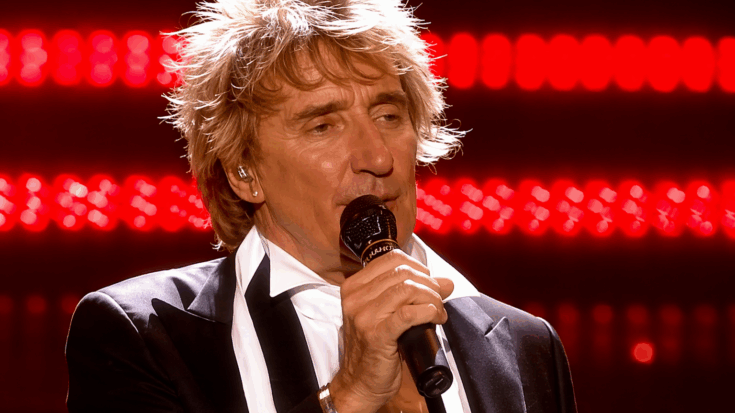
via "LouisArmstrongOfficial" / Youtube
Even as Rod Stewart stood on the verge of launching a hugely successful solo career, the decision to dissolve Faces was far from straightforward. The band’s origins complicate the narrative: much of its core had already existed as Small Faces, fronted by Steve Marriott alongside Kenney Jones, Ian McLagan, and Ronnie Lane.
When Stewart and Ronnie Wood exited the Jeff Beck Group to fill the void left by Marriott, Faces emerged as a continuation—arguably an evolution—of what had come before. This blurred lineage raises a lingering question: if Stewart had effectively joined an already established musical unit, why did he ultimately hold the authority to end it?
Ambition, Departures, and the Breaking Point
By 1975, the answer appeared rooted in ambition. Stewart’s drive to establish himself as a solo star was a defining factor in Faces’ relatively brief six-year run coming to an end. At the same time, Wood’s decision to join The Rolling Stones dealt a further blow to the band’s stability, leaving its future increasingly uncertain.
In that context, Stewart’s choice to call time on Faces may have seemed inevitable. Yet the aftermath revealed a more complicated emotional landscape. Despite presenting the split as amicable, Stewart’s tone in interviews suggested otherwise. Speaking to Rolling Stone in 1976, his comments carried a sharp edge—particularly regarding Wood’s move to play alongside Mick Jagger.
“If Mick wanted Woody, all right,” he said. “I’m gonna have to break up a few bands to get who I want. I just hope the Stones does Woody more good than they did for Mick Taylor.”
The remark blended sarcasm with unmistakable resentment, hinting at tensions that lingered beneath the surface.
Bitterness, Praise, and Burned Bridges
Stewart’s frustration was not reserved solely for Wood. While he maintained that he remained on speaking terms with McLagan, his description suggested a more strained dynamic:
“I was getting a lot of aggravation from Mac in the end,” he added, “but I’ll be getting aggravation from Mac as long as I’ve got a hole in me ass.”
Of all his former bandmates, Jones emerged as the lone recipient of clear praise. Discussing his future touring lineup, Stewart singled him out:
“Kenney Jones is the only definite member now… he was the only professional in the Faces.”
Though the comment carried a hint of Stewart’s trademark wit, it also doubled as a subtle critique of the rest of the band. At the same time, it underscored his confidence in his own rising stature—one that allowed him to assemble musicians at will.
And assemble he did. Stewart moved forward by recruiting a new, high-profile lineup tailored to his solo ambitions. Yet in a final twist, Jones—despite being labeled the “only professional”—did not feature in Stewart’s 1976 band. Instead, the role went to Carmine Appice.
By that point, Stewart’s pursuit of individual success had come at a cost. His decisions had effectively severed ties with Faces, leaving behind strained relationships and a legacy marked as much by tension as by triumph.