





The Byrds’ 10 Most Essential Songs Every Fan Should Know
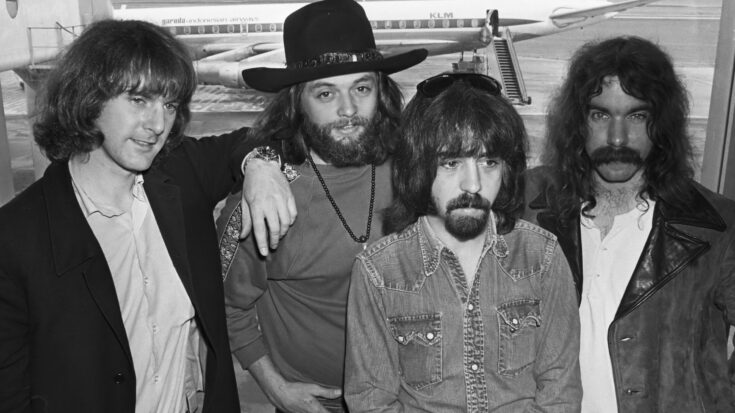
Photo by Joost Evers / Anefo, CC BY-SA 3.0 NL, via Wikimedia Commons
The Byrds burned bright and fast, but their impact on rock music still echoes decades later. In just a few years, the band reshaped folk music, pushed psychedelia into the mainstream, and helped invent country rock. Their sound shifted with lineup changes, yet their identity stayed clear through sharp songwriting and Roger McGuinn’s ringing 12-string guitar.
Some of their best-known tracks were originals, while others came from outside writers, most often Bob Dylan. Together, these songs define The Byrds at their peak and show why the band still matters today.
1. Mr. Tambourine Man
Released in 1965, “Mr. Tambourine Man” introduced The Byrds to the world and helped launch folk rock into the mainstream. By turning Bob Dylan’s loose folk song into a tight electric single, the band bridged folk and pop in a way few had done before.
Roger McGuinn’s bright 12-string guitar gave the song its signature sound. Though session musicians handled much of the backing, the vocals and arrangement made the track unforgettable, sending it to No. 1 in both the US and UK.

2. Eight Miles High
“Eight Miles High” marked a bold step into new territory for American rock. Drawing from jazz and Indian music, the song pushed beyond standard pop structures and helped shape early psychedelia.
Written by Gene Clark, McGuinn, and David Crosby, the track faced radio bans over supposed drug references. Despite that, it still reached the US Top 20 and became one of the band’s most discussed and influential recordings.
3. Turn! Turn! Turn!
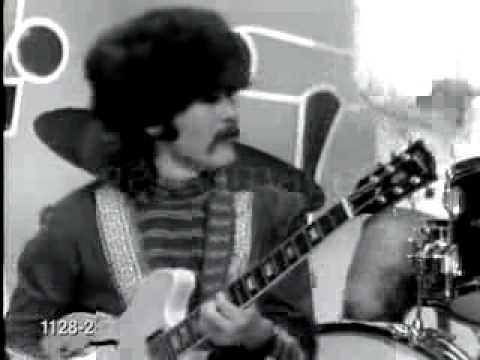
Based almost entirely on verses from the Book of Ecclesiastes, “Turn! Turn! Turn!” was adapted by Pete Seeger before The Byrds made it famous. The song’s message of time and balance struck a chord during a turbulent decade.
McGuinn’s arrangement turned the folk tune into a chart-topper. It reached No. 1 in the US in 1965 and remains one of the clearest examples of the band’s folk roots meeting electric rock.

4. My Back Pages
The Byrds returned to Bob Dylan with “My Back Pages,” which became their final US Top 40 hit. The song reflected both growth and tension within the band.
David Crosby wanted more original material, while McGuinn supported recording the track. The single version was shortened for radio, but the full recording on Younger Than Yesterday showed the band’s layered harmonies at their best.

5. You Ain’t Goin’ Nowhere
Recorded before Dylan released his own version, The Byrds’ take on “You Ain’t Goin’ Nowhere” arrived in 1968 on Sweetheart of the Rodeo. The song helped define the band’s move into country rock.
Pedal steel guitar from Lloyd Green gave the track a relaxed, rural feel. It showed how The Byrds could reshape unfinished demos into fully formed recordings of their own.

6. So You Want to Be a Rock ’n’ Roll Star
Written by McGuinn and Chris Hillman, this song offered a sharp look at fame and the music business. Its lyrics poked at manufactured pop acts while also showing some sympathy.
Released in 1967, the track blended horns with rock guitars. It reflected the band’s awareness of their place in a changing industry and remains one of their most pointed originals.
7. I’ll Feel a Whole Lot Better
Gene Clark wrote and sang lead on “I’ll Feel a Whole Lot Better,” which first appeared as a B-side before gaining wider attention. The song highlighted Clark’s melodic strength.
Though influenced by British pop, the track still carried a distinct Byrds sound. It later became one of the band’s most covered songs, proving its lasting appeal.

8. Goin’ Back
Originally written by Carole King and Gerry Goffin, “Goin’ Back” became a source of tension within the group. David Crosby wanted his own song included instead.
The Byrds’ version added a reflective tone and appeared on The Notorious Byrd Brothers. Soon after its release, Crosby left the band, marking a turning point in their history.

9. Ballad of Easy Rider
Roger McGuinn first recorded “Ballad of Easy Rider” for the film Easy Rider. A full band version followed shortly after.
Bob Dylan declined to write the song but offered a single lyric on a napkin: “The river flows, it flows to the sea…” McGuinn built the rest, creating one of the band’s most graceful late-era tracks.

10. Mr. Spaceman
Released in 1966, “Mr. Spaceman” hinted at the band’s future shift toward country sounds. Written by McGuinn, it blended humor with science fiction themes.
The song appeared on Fifth Dimension and proved the band could keep evolving after Gene Clark’s departure. Its light tone and clear structure made it a standout during a period of change.







.jpg)