




What Does RUSH’s Return Mean For Legacy Bands in 2026
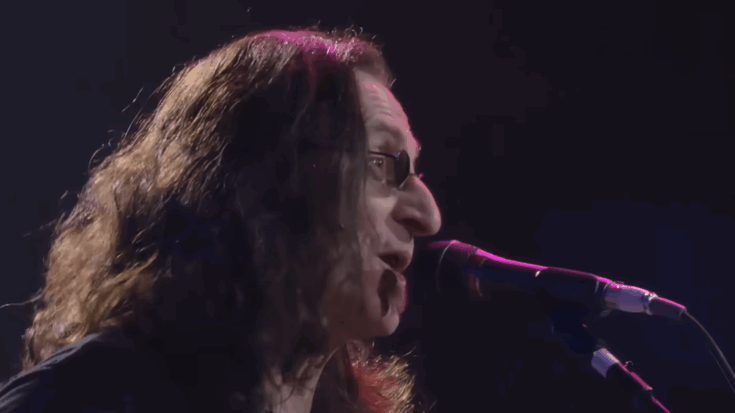
via Roadrunner Records UK / Youtube
For classic rock fans, Rush’s return to the stage in 2026 feels impossible. Eleven years after their last tour and six years after Neil Peart’s death, Geddy Lee and Alex Lifeson’s Fifty Something Tour signals something bigger than nostalgia; it’s redefining what legacy acts can become.

A Band That Refused to Fade
The music industry expected Rush to disappear gracefully. Aging demographics, fewer rock radio stations, and streaming platforms that prioritize youth made it seem like classic rock’s glory days were genuinely over. Legacy acts were supposed to fade, maybe squeeze out one final farewell tour, then accept their museum status. But Rush rejected that script. When Geddy Lee and Alex Lifeson announced their reunion, they weren’t chasing a quick paycheck. In interviews, Lee was honest about the decision: after six years apart, they simply missed each other and the music. They went through “serious soul searching” and realized their brotherhood was stronger than their grief.

Honoring What Was Lost
This tour isn’t a replacement for Neil Peart; it’s a tribute to him. German drummer Anika Nilles, who previously worked with Jeff Beck, brings fresh energy while respecting Peart’s irreplaceable legacy. The decision to keep the Rush name, perform two sets each night, and rotate through 35 songs shows Lee and Lifeson are committed to depth, not just hits.

What This Means for Rock’s Future
Rush’s reunion opens a door for other legacy acts. It proves that reunions don’t have to feel desperate or exploitative when they’re built on genuine connection and respect for the music. It signals that classic rock isn’t dying; it’s evolving. Acts like Metallica, Def Leppard, and The Who are watching closely. The message is clear: there’s life after the farewell, and audiences still hunger for authentic rock experiences.