




Rock Stars Whose Egos Got in the Way of Their Own Success
Rock music and a large ego often go together. You really need to have a little swagger. People who appreciate a certain singer or guitar player expect them to act like they own the world when they get on stage. That self-assurance is part of the act. It makes the show more exciting. When it’s done well, confidence is exciting and even appealing—but there are moments when it stops being fun and starts to hurt. When the ego moves beyond performance and begins influencing real-life decisions, things can go wrong very quickly. Jobs that once seemed permanent suddenly disappear. Bands break up. Fans lose interest. Opportunities fade away.
Many rock musicians over the years appeared destined to become legends. They had the right skills, the right timing, and the right audience. But instead of growing stronger, they stumbled because of their own pride. Whether through bold claims, poor decisions, or an unwillingness to collaborate, their egos interfered with what could have been long-lasting success.
Several rockers may have lost more than they realized because they were too confident in themselves.
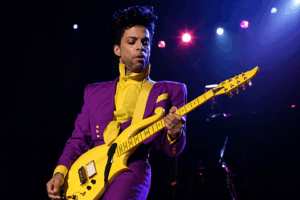
Terence Trent D’Arby
In the late 1980s, Terence Trent D’Arby seemed like a future superstar. The timing of his debut album, Introducing the Hardline According to Terence Trent D’Arby, released in 1987, was perfect. Music was shifting, and audiences were embracing artists who blended styles. D’Arby’s fusion of soul, pop, funk, and rock felt fresh and exciting.
The record became popular in the UK first, then in the U.S. His song “Wishing Well” reached the top of the Billboard Hot 100. Comparisons to Prince quickly followed. It looked as though he was poised to take over the music world—at least for a while. But as quickly as he rose, he began making headlines for a different reason.
Rather than letting his music speak for itself, D’Arby made bold public claims about his own greatness. Early in his career, he suggested that his debut album surpassed classic records that had shaped modern music. That kind of comparison caught people off guard. Believing in yourself is one thing; placing yourself above artists who had already earned legendary status is another. He also developed a reputation for being difficult with the press. Stories circulated of tense interviews and press events where he carried himself like a long-established star rather than a newcomer with one major hit. That approach might work for someone with decades of success behind them. For an emerging artist, it felt premature.
His second album, Neither Fish nor Flesh, proved to be a turning point. It was experimental and very different from what fans expected. Instead of building on his momentum, it left critics and listeners confused. Sales dropped significantly. His third album fared no better in the U.S. market.
In 1995, he made another unexpected move by changing his name to Sananda Maitreya, saying it better reflected his artistic evolution. Reinvention isn’t unusual in music, but by that point, most of his early success had already faded. There’s no denying his talent. Still, many believe his sky-high confidence set expectations that were nearly impossible to meet. Instead of growing gradually, he positioned himself as an instant icon. When the follow-up work didn’t match that image, the fall was steep.
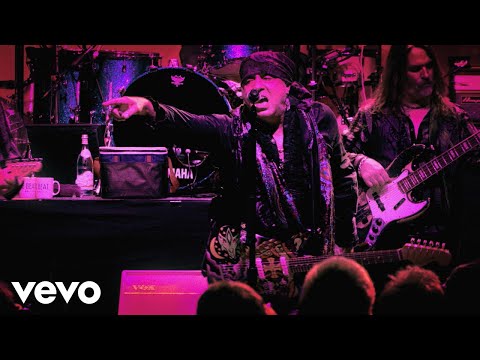
Steven Van Zandt
Most people didn’t know who Steven Van Zandt was by name, yet he was already part of rock history. As a guitarist for Bruce Springsteen and the E Street Band, he helped shape the sound of some of the most celebrated recordings of the 1970s and 1980s. He was present during the band’s strongest creative years, just as they were approaching massive commercial success.
That success peaked with Born in the U.S.A., which sold millions of copies and produced multiple enduring radio staples. It turned Springsteen into a global superstar. Van Zandt, however, wasn’t there to experience that commercial peak. Just before the album’s release, he left the band. He believed the timing was right. Having contributed significantly to the group’s sound, he felt ready to step into the spotlight on his own and assumed his visibility would translate into a successful solo career.
Unfortunately, that didn’t happen. While Springsteen’s fame continued to grow, Van Zandt’s solo work failed to reach the same audience. The financial gap between the two paths was substantial. Years later, Van Zandt admitted that his decision had long-lasting consequences. The E Street Band’s success after his departure would have provided both stability and continued prominence.
Van Zandt wasn’t driven solely by fame. He devoted considerable energy to political activism, particularly through Artists United Against Apartheid, which aimed to dismantle South Africa’s apartheid system. The cause mattered deeply to him and occupied much of his time during the mid-1980s.
Even so, he has spoken openly about how things might have unfolded differently. Had he remained with the band while continuing his activism, he may have preserved both his platform and financial security. Instead, he walked away from one of the most successful rock acts of the era. His story isn’t one of extreme arrogance, but rather a case of overestimating how far his individual brand could carry him. In the music business, timing is everything, and leaving just before a massive breakthrough is a decision that’s difficult to reverse.
Brandon Flowers
When The Killers released Hot Fuss in 2004, it felt like lightning in a bottle. The album sold millions of copies worldwide and produced “Mr. Brightside,” a song that remains hugely popular decades later. The band quickly emerged as one of the defining rock acts of the 2000s. Frontman Brandon Flowers became the face of that success, known for his distinctive voice, style, and charisma. But as acclaim poured in, so did his confidence—and perhaps too much of it.
In interviews from that period, Flowers spoke boldly about the band’s songwriting abilities, stating that they had already proven they could write perfect pop songs. He also compared The Killers’ ambitions to those of legendary bands from the past. Ambition is natural, but such statements set expectations sky-high. Before the band’s second album, Sam’s Town, was even released in 2006, Flowers publicly described it as one of the greatest albums of recent times. That kind of declaration creates immense pressure. Fans and critics stop listening for good songs and start listening for perfection.
When Sam’s Town arrived, reactions were mixed. Some praised its ambition and new direction, while others missed the sleek immediacy of Hot Fuss. Sales were noticeably lower than the debut. It wasn’t a failure, but it didn’t meet the towering expectations that had been set.
The Killers continued to enjoy a successful career, releasing more albums and maintaining a loyal fan base. Still, they never fully recaptured the cultural explosion of their debut. In this case, ego didn’t destroy the band, but it may have inflated expectations beyond what was realistic. When artists declare their own work untouchable, audiences often become more critical. Sometimes it’s better to let listeners decide how great something is, rather than saying it yourself.
Billy Corgan
During the 1990s, The Smashing Pumpkins were among the biggest names in alternative rock. Siamese Dream and Mellon Collie and the Infinite Sadness sold millions of copies and produced enduring hits. For a time, the band seemed unstoppable. At the center of it all was Billy Corgan—the primary songwriter, vocalist, and creative engine. His vision undeniably shaped the band’s sound, but that control often came at a cost.
During the recording of Siamese Dream, Corgan reportedly became intensely focused on achieving a specific sound. Rather than collaborating fully with his bandmates, he often took control himself, re-recording guitar and bass parts when he wasn’t satisfied with their performances.
While that approach may make sense to a perfectionist, it can create resentment within a band. Chemistry and shared creativity are essential for long-term success. When one person dominates the process, tensions tend to grow. Over time, internal conflicts worsened, the lineup shifted, and although Corgan continued releasing music under The Smashing Pumpkins name, the sense of unity that defined the band’s early years gradually disappeared.
In 2018, an attempt was made to reunite most of the original members for a tour. For a brief moment, it appeared that fans might witness a return of the band’s original magic. But the reunion proved difficult, with key members absent and public disagreements resurfacing. There’s no question that Corgan is a gifted songwriter, but his strong personality and need for control may have made long-term stability difficult. What was once a collaborative band increasingly became a solo project under a famous name.
Creative tension can fuel great rock music. But when ego overwhelms collaboration, even the strongest bands can lose their direction.
When Trust Costs Too Much
Rock and roll has always celebrated bold personalities. Fans don’t necessarily want artists who are quiet or humble. They want flair, drama, and attitude. A certain amount of ego is almost part of the costume.
The stories of these musicians, however, show how easily that line can be crossed. Confidence can inspire greatness, encouraging artists to take risks and pursue ambitious ideas. But when confidence turns into overconfidence, or when pride interferes with teamwork and timing, careers can shift in unpredictable ways. Some of these artists continued making music. Others found success in different paths. None of them vanished entirely. Still, many fans can’t help wondering what might have happened if different choices had been made.
In the end, talent opens doors. Ego determines whether someone walks through them—or closes them just as quickly.