





On This Day in 1976: The Eagles Reach No.1 With Their Sixth Album, Marking a Lineup Change, Multi-Week Chart Run, and a Recording Clash With Black Sabbath
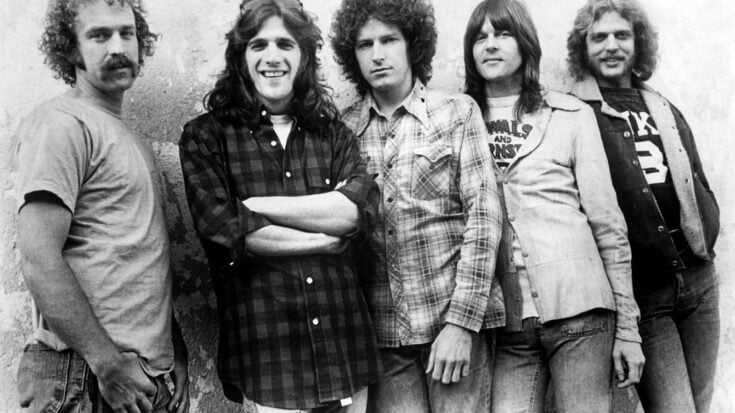
Photo by Distributed by Asylum Records, Public domain, via Wikimedia Commons
In late 1976, The Eagles reached a major point in their career. On December 24, their sixth studio album, Hotel California, climbed to No.1 on the Billboard album chart. The record marked a shift in the band’s sound and lineup, while also becoming one of the most successful releases of the decade.
By this time, The Eagles were already one of America’s biggest bands. Yet Hotel California showed they were willing to move beyond their earlier country rock style. The album arrived during a period of change, both musically and personally, for the group.
View this post on Instagram
A New Lineup and a Bigger Sound
Hotel California was the first Eagles album to feature guitarist Joe Walsh, whose harder edge helped reshape the band’s approach. It was also the final album to include founding bassist Randy Meisner. This lineup combination gave the record a distinct feel that separated it from earlier releases.
The album spent the first of eight non-consecutive weeks at the top of the Billboard chart. Over time, it went on to sell more than 34 million copies worldwide. Songs like “Hotel California” and “New Kid in Town” helped push the band into a more polished and darker sound.
Inside the Recording Process
Some of Hotel California was recorded at Criteria Studios in Miami, a place known for hosting major artists. The sessions were detailed and demanding, as the band focused on layered guitars and careful production choices.
While The Eagles were working, another band was nearby. “While the band were recording Black Sabbath were recording Technical Ecstasy in an adjacent studio and The Eagles were forced to stop recording on numerous occasions because Black Sabbath were too loud and the sound was coming through the wall.” The clash became a strange footnote in rock history.
Chart Success and Cultural Impact
The album’s rise to No.1 came at the end of a strong year for the band. Its extended chart run reflected steady sales rather than a quick burst of attention. This slow climb helped keep the album in public view well into the late 1970s.
Beyond sales, Hotel California captured a mood of uncertainty and excess that many listeners connected with. The lyrics explored themes of fame, freedom, and loss of direction, which helped the album stay relevant long after its release.
The End of an Era
Despite its success, Hotel California also marked the closing of one chapter for The Eagles. Tensions within the band grew, and Randy Meisner soon departed. His exit ended the group’s original rhythm section.
Even with internal strain, the album became a lasting symbol of the band’s peak. Its success reshaped The Eagles’ legacy and secured their place in rock history during a competitive and changing era.