


On this day in 1968, Pink Floyd played their first show without Syd Barrett
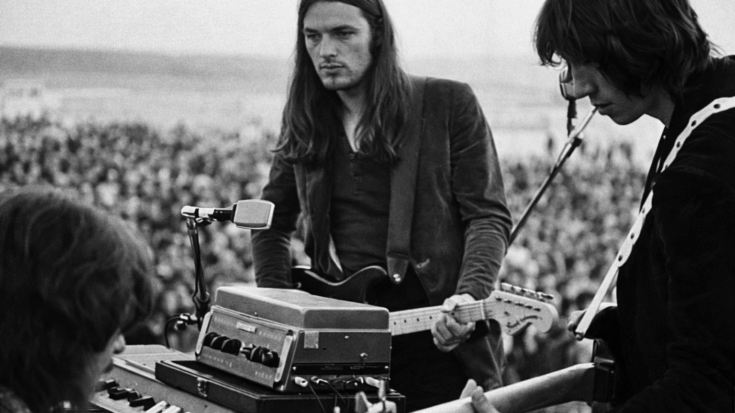
On this day in 1968, Pink Floyd quietly crossed a threshold that would redefine their future. Performing in Southampton, England, the band took the stage without founding member Syd Barrett for the first time—a moment that marked both an ending and a fragile new beginning.
The Unraveling of a Brilliant Visionary
By early 1968, Barrett’s increasingly erratic behavior had made touring and recording unpredictable. As Pink Floyd’s chief songwriter and creative spark, his whimsical psychedelia defined their debut album, The Piper at the Gates of Dawn. However, mounting mental health struggles and inconsistent performances left the band facing an impossible choice. Rather than formally announcing his departure, Pink Floyd simply stopped picking Barrett up for shows—an unspoken decision that culminated in this first performance without him.
David Gilmour Steps Into the Unknown
In Barrett’s absence, longtime friend David Gilmour took on guitar duties, initially brought in to support Barrett onstage. The Southampton show signaled a shift from contingency plan to permanent change. While Gilmour’s style contrasted with Barrett’s fractured brilliance, it offered stability and technical assurance at a time when the band needed grounding. The setlist still leaned heavily on early material, but the atmosphere was unmistakably transitional.
The Birth of a New Pink Floyd Era
This performance without Syd Barrett laid the foundation for Pink Floyd’s reinvention. In the years that followed, the band would move away from playful psychedelia toward expansive, conceptual works exploring alienation, time, madness, and power. Albums like Meddle, The Dark Side of the Moon, and Wish You Were Here would not have existed without this difficult pivot point.
Though Barrett’s absence left an emotional scar that would haunt the band’s music for decades, it also forced Pink Floyd to evolve. On this day in 1968, before the mythology and monumental success, four musicians stepped onstage, uncertain of what lay ahead—unknowingly beginning one of the most remarkable second acts in rock history.