




Midnight Oil Drummer Rob Hirst Has Died At 70

via The Australian / youtube
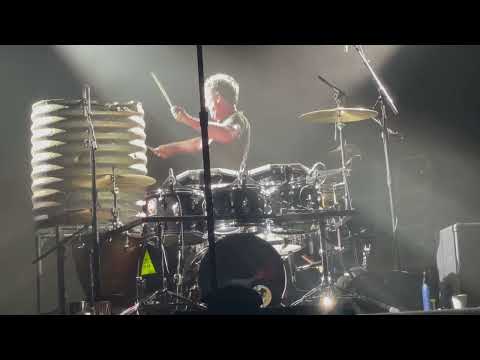
Rob Hirst, the drummer, songwriter, and founding member of the Australian rock band Midnight Oil, has died at the age of 70 after battling pancreatic cancer.
The band announced his passing in a statement shared on social media. “After fighting heroically for almost three years, Rob is now free of pain — ‘a glimmer of tiny light in the wilderness,’” the message read. Hirst died peacefully, surrounded by family. The band asked that those wishing to honor his memory consider donating to Pankind, Pancreatic Cancer Australia, or Support Act.
In a subsequent statement, surviving members Jim Moginie, Martin Rotsey, and Peter Garrett expressed their grief, writing that they were devastated by the loss of their “brother Rob,” adding that while words failed them, the music would endure.
A Life in Music
Born on September 3, 1955, in Camden, New South Wales, Hirst began making music with school friends Jim Moginie and Andrew “Bear” James. After performing under several early band names, the group ultimately became Midnight Oil.
The band released its self-titled debut album in 1978 and gradually built a strong following in Australia. Their major domestic breakthrough came with 1982’s 10, 9, 8, 7, 6, 5, 4, 3, 2, 1, while international success followed in 1987 with Diesel and Dust. The album addressed Indigenous rights and environmental issues, went platinum in the United States, and produced the global hit “Beds Are Burning.”
Beyond Midnight Oil
During the band’s early-1990s hiatus, Hirst formed Ghostwriters with Rick Grossman and Andrew Dickson, releasing four albums. He later joined the blues group Backsliders, recording six albums with them. After Midnight Oil disbanded in 2002, the group reunited in 2017, releasing The Makarrata Project in 2020 and Resist in 2022 before playing their final show later that year.
Finding Meaning Until the End
In October 2025, Hirst independently released Born Electric, followed by a collaborative EP, A Hundred Years or More. Reflecting on his illness, he acknowledged that themes of mortality and legacy shaped his later work. Despite declining health and global uncertainty, Hirst remained hopeful, emphasizing the importance of appreciating everyday beauty even in difficult times.