




How Much Bad Bunny Will Be Paid for the Super Bowl Halftime Show
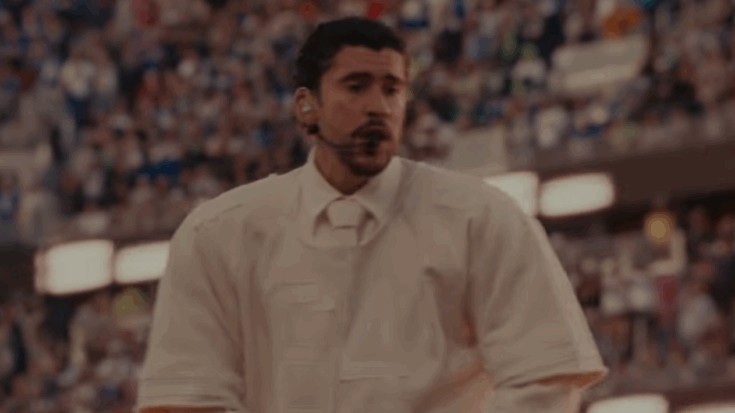
via NFL/. Youtube
Fresh off a historic showing at the 68th Annual Grammy Awards, Bad Bunny is once again at the center of the global music conversation—this time not for a chart-topping release, but for his upcoming appearance at the Super Bowl Halftime Show. With three Grammy wins, including Album of the Year, and a track record as one of Spotify’s most dominant artists of the last half-decade, the Puerto Rican superstar arrives at football’s biggest night with momentum few artists can match.
A Superstar Fit for the Biggest Stage
Since 2020, Bad Bunny has ranked among Spotify’s three most-streamed artists worldwide every single year, underscoring his rare ability to bridge language, culture, and genre on a global scale. Last year, he even surpassed Taylor Swift as the platform’s most-streamed artist—further cementing his position as one of the defining figures of modern pop music.
Given that level of influence—and a reported net worth of $100 million—it’s natural to assume that performing on one of the most-watched broadcasts on the planet comes with an equally massive paycheck. The truth, however, tells a different story.
Why the NFL Doesn’t Pay Halftime Performers
Despite the spectacle and prestige attached to the Super Bowl Halftime Show, Bad Bunny will reportedly perform without a traditional appearance fee. According to multiple reports, the “DTMF” singer, now 31, will take the stage on Sunday, Feb. 8, for free—continuing a long-standing NFL policy.
“We do not pay the artists,” an NFL spokesperson told Forbes in 2016. “We cover expenses and production costs.”
Those production costs are substantial. In recent years, Apple Music, the event’s title sponsor, has helped fund the elaborate staging, lighting, costumes, and overall production that define the halftime show’s larger-than-life presentation. Still, as Cosmopolitan has noted, it remains unclear whether performers receive any direct compensation from sponsors themselves.
The Real Payoff: Exposure, Streams, and Cultural Impact
While there may be no upfront payment, history shows that the Super Bowl Halftime Show can be extraordinarily lucrative in indirect ways. After last year’s performance, Kendrick Lamar saw streams of his 2024 track “Not Like Us” surge by 430 percent, according to Variety. The year before, Usher experienced a 550 percent spike in streams following his own halftime appearance.
“After a major live show, many fans head straight to Spotify. The same is true for the Super Bowl halftime show each year,” said Monica Herrera Damashek, Spotify’s head of label partnerships, in a previous interview with Cosmopolitan.
For artists at Bad Bunny’s level, the halftime show functions less like a gig and more like a global marketing moment—a 13-minute spotlight that reaches hundreds of millions of viewers across multiple platforms. That exposure can translate into streaming spikes, renewed catalog interest, increased touring demand, and long-term brand elevation.
“These cultural moments consistently drive significant boosts in both streams and earnings,” Damashek added. “While each artist has their own agreement with rights holders, we do see the impact in our payouts.”
This year’s Super Bowl will see the New England Patriots face off against the Seattle Seahawks at Levi’s Stadium, with coverage beginning at 6:30 p.m. ET on NBC, NFL+, and Peacock.
For Bad Bunny, the night represents more than another milestone—it’s a reminder that, in the modern music industry, visibility can be just as valuable as a paycheck. On a stage this large, the returns don’t always arrive immediately, but they often echo long after the final note fades.