





Classic Rock Songs That Gave the Boomer Generation Serious Bragging Rights

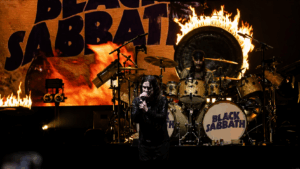
Photo by Jimmy Baikovicius from Montevideo, Uruguay, CC BY-SA 2.0, via Wikimedia Commons
Every generation feels their music is the best. That’s nothing new. But when baby boomers argue about the music they grew up with, it’s usually difficult to win the argument. That’s because between the mid-1960s and the mid-1970s, there was a massive burst of invention that changed popular music forever. Not only did rock, soul, funk, metal, and progressive music evolve during this time, they also developed distinct identities of their own.
People born between 1946 and 1964, known as “baby boomers,” saw it all. They watched artists take chances, create new sounds, and break boundaries that hadn’t even been defined yet. It’s easy to see why boomers are proud of the music they left behind when younger generations compare playlists. The list of artists alone feels endless: The Beatles, Stevie Wonder, Marvin Gaye, Pink Floyd, Led Zeppelin, Jimi Hendrix, The Rolling Stones, Black Sabbath, and many more.
It’s nearly impossible to narrow an entire golden age down to just five songs. Some tracks, however, rise above the rest. These songs weren’t just big hits; they captured the spirit of their time, pushed music forward, and somehow remained powerful for decades. They also couldn’t have been created in any other era. These are the songs boomers can proudly point to for the rest of their lives.
Yesterday by The Beatles
The Beatles always come up in serious conversations about modern music. Their influence is so vast that it’s almost taken for granted. They didn’t just write catchy songs; they transformed how albums were made, how bands experimented in the studio, and how pop music could express emotion. Their ideas helped shape entire genres.
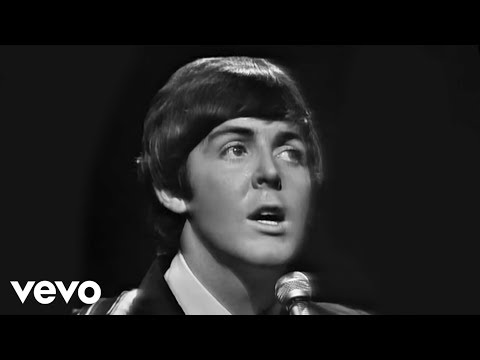
Choosing only one Beatles song feels unfair, but “Yesterday” easily earns its place. Released in 1965, it arrived during a period when the band was maturing—moving beyond simple love songs without fully diving into experimental territory. It sits perfectly in between. What makes “Yesterday” so special is its simplicity. There are no flashy tricks, loud guitars, or dramatic crescendos. Instead, it relies on a gentle melody, a soft string arrangement, and a deep sense of longing. Paul McCartney’s voice feels intimate and fragile, as if he’s sharing something deeply personal.
The song’s structure is remarkably tight. Every note feels essential. Nothing lingers too long, and nothing feels rushed. Finding that balance is difficult—and even harder to maintain. It sounds familiar in the best way, which may explain why it’s one of the most covered songs in history.
For baby boomers, “Yesterday” marked a moment when pop music proved it could be emotional, meaningful, and timeless all at once. It isn’t just a great Beatles song; it’s one of the finest examples of songwriting ever recorded.
Superstition by Stevie Wonder
Stevie Wonder’s career almost defies belief. He started young, matured quickly, and somehow continued to improve with each passing year. By his early twenties, he had already entered a creative peak that many artists never reach. During this period, he wrote, played, and produced music that seamlessly blended soul, funk, pop, and R&B.
Released in 1972, “Superstition” grabs attention instantly. The opening keyboard riff is so iconic that it’s impossible to ignore. It’s sharp, funky, and bursting with life. The sound came from a clavinet—an electric keyboard rarely used so boldly in popular music at the time. Wonder didn’t just play it; he built the entire song around it. The rhythm feels unpredictable, with beats landing in unexpected places, creating a groove that keeps listeners locked in from start to finish. It’s almost impossible not to move when it plays.
The lyrics are equally strong. On the surface, the song feels playful, but underneath it explores fear, belief, and how small superstitions can influence serious decisions. Wonder delivers the message with confidence and charm, making it feel cool rather than preachy. For boomers, the song represents a time when Black artists weren’t just shaping pop music—they were leading it. “Superstition” had a massive influence on funk and inspired countless artists who followed. It’s stylish, smart, and still sounds fresh today.

War Pigs by Black Sabbath
Heavy music existed before Black Sabbath, but it hadn’t fully found its identity. With “War Pigs,” released in 1970, the band didn’t just define heavy metal—they gave it a conscience. The song opens with a slow, ominous riff that immediately sets the tone. It feels heavy in every sense of the word. Tony Iommi’s guitar style, shaped by a devastating industrial accident, created a sound that was raw, powerful, and unlike anything heard before.
“War Pigs” isn’t just about volume or distortion. The band weaves unexpected complexity into the song. The rhythm section moves with a loose, almost jazzy feel, while Ozzy Osbourne’s vocals are eerie yet straightforward. The song shifts, stretches, and evolves, never sounding predictable.
Lyrically, it attacks those in power who profit from war while others suffer. At a time of global conflict and widespread distrust in leadership, the message struck a nerve. It gave heavy music a purpose beyond rebellion. For baby boomers, “War Pigs” represents both the birth of a new genre and a bold political statement. Loud, fearless, and still relevant, it’s a rare combination.

Mercy Mercy Me (The Ecology) by Marvin Gaye
Marvin Gaye’s 1971 album What’s Going On is often cited as one of the greatest albums ever made—and for good reason. From start to finish, it’s smooth, emotional, socially aware, and beautifully crafted. Every track feels intentional, but “Mercy Mercy Me (The Ecology)” stands out.
At first listen, the song feels warm and inviting. The instruments glide effortlessly, with gentle guitar lines, rich harmonies, and a relaxed groove that pulls listeners in. Gaye’s voice floats above it all, intimate yet commanding. Beneath that smooth exterior, however, lies deep concern. The song addresses pollution, environmental damage, and the loss of natural beauty—topics rarely explored in popular music at the time. Gaye doesn’t scold or shout; instead, he sounds worried, reflective, and sincere.
That balance is the song’s true strength. It delivers a serious message without losing its musical appeal. Listeners can dance to it, relax with it, or focus closely on the lyrics and feel their weight. For boomers, “Mercy Mercy Me” marked a moment when soul music proved it could be both beautiful and socially conscious. It showed that pop music could care deeply about the world and still sound incredible.

Time by Pink Floyd
The Dark Side of the Moon is one of the most influential albums of all time. Released in 1973, it became a cultural phenomenon, staying on the charts for years and shaping musicians across countless genres. While the album works best as a complete experience, “Time” remains one of its most powerful tracks.
The song opens uneasily, with clocks, bells, and mechanical sounds creating instant tension. It begins softly, drawing listeners into a dreamlike state before exploding into a driving rock section.
“Time” masterfully balances accessibility and experimentation. The guitar solos soar, the rhythm stays grounded, and the production is so precise it still feels modern. Every element feels deliberate and immersive. But it’s the lyrics that give the song its lasting impact. They reflect on aging, regret, and how life seems to slip away unnoticed. As listeners grow older, the message only becomes more powerful.
For those born between 1946 and 1964, “Time” can feel almost prophetic. It captures the shock of realizing how quickly life moves and how much changes along the way. Thoughtful, expansive, and deeply human, it remains one of Pink Floyd’s most enduring statements.

Why These Songs Are Still Important
These five songs were more than just chart-toppers. They marked moments when music evolved, spoke honestly, and connected deeply with listeners. They shaped entire genres, inspired future artists, and continue to sound as powerful today as they did decades ago. That’s why baby boomers have every right to feel proud. Their generation didn’t just enjoy great music—it lived through an era when music truly changed the world, and these songs are proof of that.




.jpg)