Beatles Had More No. 1 Hits in This Year Than Any Other
via "The Beatles" / Youtube
At every stage of their career, The Beatles demonstrated an extraordinary ability to produce hit records while continually reshaping their sound. From their early pop-driven beginnings to their later experimental work, the band resisted creative stagnation, opting instead for bold stylistic shifts that redefined mainstream music.
Their evolution was not merely artistic—it was strategic in its reach. By moving fluidly between genres and themes, the group ensured their catalogue appealed to a wide spectrum of listeners. Whether leaning into infectious pop melodies, guitar-heavy rock, or psychedelic textures, The Beatles maintained a rare balance between innovation and accessibility.
This versatility remains one of the most compelling arguments for their enduring appeal. While musical taste is inherently subjective, the sheer breadth of their work makes it difficult to dismiss their influence outright. Across their discography, there is an entry point for nearly every kind of listener.
Mainstream Success Without Compromise
What set The Beatles apart was their ability to evolve without losing their commercial grip. Even as their sound grew more complex, audiences continued to respond with enthusiasm. Chart success followed them consistently, with a steady stream of number-one singles reinforcing their global dominance.
Though their time together as a recording unit was relatively brief, the impact they made during those years was profound. They were not simply popular—they were defining the parameters of popular music itself. Each release seemed to expand the possibilities of what a chart-topping song could be.
This raises a key question within their legacy: during which period did their commercial success reach its absolute peak?
1964: The Year Beatlemania Took Over
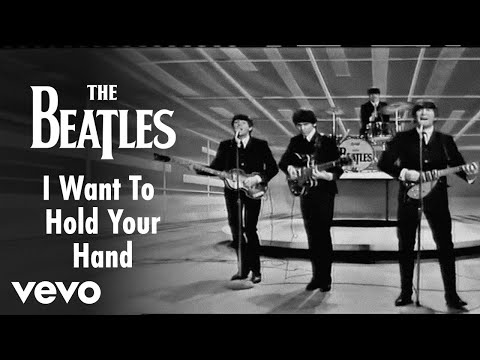
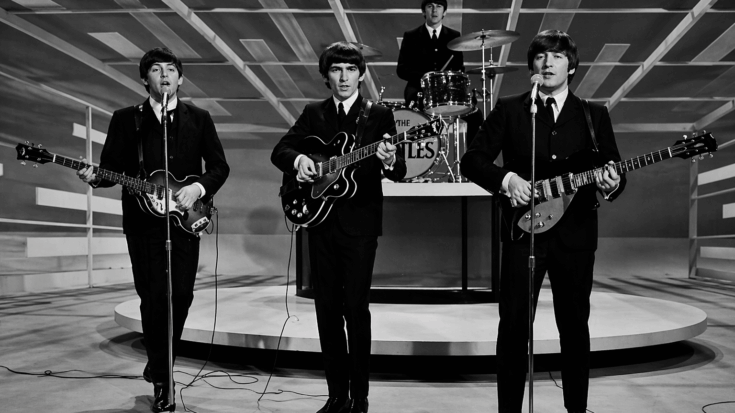
The answer is 1964, the year The Beatles fully broke into the United States and ignited the cultural phenomenon known as Beatlemania. Their landmark appearance on The Ed Sullivan Show in February of that year marked a turning point not only for the band, but for British music as a whole.
“There was no real future for a British band before The Beatles appeared on The Ed Sullivan Show in February 1964,” said Andrew Loog Oldham. “That was the turning point, after which there was an avalanche. It totally transformed the possibilities, and as usual, The Beatles were the frontrunners. In music, there is The Beatles, and then there is everybody else.”
The scale of their impact was immediate and far-reaching. Aspiring musicians shifted their ambitions, forming bands in hopes of capturing even a fraction of the group’s success. Meanwhile, The Beatles themselves dominated the charts, achieving six number-one hits in a single year.
Those songs—“I Want to Hold Your Hand,” “She Loves You,” “Can’t Buy Me Love,” “Love Me Do,” “A Hard Day’s Night,” and “I Feel Fine”—cemented 1964 as their most commercially successful year. Yet rather than marking a peak followed by decline, this period served as a launchpad. The Beatles would continue to push musical boundaries, ensuring their legacy extended far beyond even their most triumphant moment.