’70s Rock Legends Who Returned Decades Later and Still Sounded Incredible
Rock music was at its best in the 1970s. Bands played louder, went on bigger tours, and turned concerts into full-blown events. Big speakers, crazy lights, longer guitar solos, and larger crowds became the standard. Musicians who got their start in the 1960s truly came into their own, and younger musicians who grew up listening to Elvis and The Beatles became famous. Many people believe this decade produced the greatest rock shows ever.
But rock music isn’t known for having joyful second chapters.
Many famous bands burned bright and then faded just as quickly. Breakups, egos, addiction, and exhaustion often ended things much sooner than anyone expected. When artists reunited years later, it was usually because they missed each other. Fans came to relive the past, not because they expected to see or hear something new or better.
Still, a few legendary rock superstars did the impossible. They were gone for years, even decades, but when they returned, they were stronger, tighter, and more confident than ever. They didn’t try to relive their past successes; instead, they found new strength in their music and performances. Some benefited from improved technology. Others brought more emotion, experience, and control to the stage. Some even surpassed the eras that made them famous. These are the rare rock legends from the 1970s who didn’t just come back—they came back better.
The Eagles Took Off Again After a Long Break
The Eagles were one of the few bands that truly captured the laid-back California sound of the 1970s. They started in the early part of the decade and blended rock, country, and smooth harmonies into a style that felt effortless. “Take It Easy,” “Desperado,” and “Hotel California” are just a few of the songs that became radio hits and helped define an era.
However, real problems lie beneath the beautiful harmonies. By the end of the 1970s, the band was exhausted from constant touring and internal conflicts. During a concert in 1980, personal differences finally reached a breaking point, and the group broke up soon after. For years, the idea of a reunion seemed impossible.
Then, in the mid-1990s, the unthinkable happened. The Eagles reunited for a live album and tour that even poked fun at the band’s long-running breakup jokes. Fans did not witness a tired nostalgia act on stage. The musicians had improved over time and gained a new perspective. The harmonies were stronger, the playing was sharper, and the confidence was obvious. Older and more relaxed, the band delivered performances that felt richer and more refined than their earlier run. The reunion tour became a massive success and reminded the world that time apart can sometimes make something great even better.
Black Sabbath Reunited With Ozzy and Sounded Heavier Than Ever
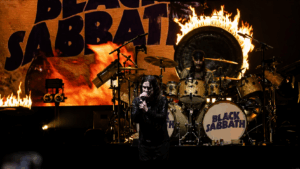
Black Sabbath helped invent heavy metal in the early 1970s. With Ozzy Osbourne as their lead singer, they released albums that set the standard for the genre. Their music was darker, louder, and heavier than anything that came before, and their shows were chaotic, intense, and full of energy.
However, their lifestyle eventually caught up with them. Ozzy was fired from the band before the end of the decade due to substance abuse and the strain of constant touring. While Ozzy launched a successful solo career, Black Sabbath continued with various singers. For years, it seemed the original lineup was gone for good.
That changed in the late 1990s. Ozzy reunited with the band for performances in their hometown of Birmingham, and the results were remarkable. This version of Black Sabbath did not sound sloppy or out of control. Ozzy was sober, focused, and more commanding on stage. The band sounded enormous, and the riffs felt stronger than ever. Live recordings from that period captured a group fully aware of its legacy and power. Rather than trying to appeal to younger trends, they leaned into the heaviness that defined them. Black Sabbath proved they could still dominate the stage decades after helping define metal, and perhaps even better than before.
Cher Showed That There Is No Age Limit on Reinvention
Cher stands in a class of her own. Many artists struggle to reinvent themselves once, but she has done it repeatedly.
Cher first gained fame in the late 1960s, but she became a solo superstar in the 1970s with a string of number-one hits and bold stage performances. Midway through the decade, she stepped away from music, only to return with a glamorous disco-inspired comeback in the late 1970s, complete with extravagant costumes and Las Vegas-style shows.
She reinvented herself again in the 1980s by shifting her focus to acting. Eventually, she returned to music with pop-rock hits that introduced her to a new generation. However, her most surprising comeback arrived in the late 1990s. By embracing modern production techniques and new technology, she created a global hit that dominated radio and dance floors worldwide. The tour that followed was groundbreaking, filled with color, spectacle, and emotional intensity. Cher did not appear like an artist revisiting past success. Instead, she looked like a performer fully in control of her voice, image, and stage presence. She set a new industry standard at an age when many performers begin to slow down.
Kiss Took Off the Makeup, Put It Back On, and Won Again
Kiss was impossible to ignore during the 1970s. They transformed concerts into theatrical spectacles with face paint, towering boots, fire-breathing stunts, and explosive stage effects. Their music was loud, energetic, and designed for massive arenas. However, behind the scenes, the band was falling apart. Some original members left, were fired, or gradually drifted away. In the 1980s, Kiss even removed their signature makeup to stay relevant. Although the band continued performing, something felt missing.
In the mid-1990s, fans got what they had been waiting for. The original lineup reunited, bringing back the iconic makeup and stage theatrics. What could have been seen as a simple gimmick turned into one of the most successful reunion tours of the decade. The performances were loud, primal, and unapologetically theatrical.
Rather than feeling outdated, Kiss fully embraced what made them unique. After years of experience, the band performed with greater control and confidence. The reunion did more than revive their image; it reminded audiences why Kiss became legendary in the first place.
Fleetwood Mac Made Powerful Performances Out of Old Pain
Fleetwood Mac became famous in the 1970s because of their exceptional music and deeply personal drama. When the band’s most famous lineup came together, their chemistry was undeniable, but so were the conflicts. Their songs reflected breakups, emotional strain, and personal struggles.
Their album Rumours became one of the best-selling records of all time, and the tour that followed was unforgettable. However, the emotional toll eventually became overwhelming. Members left, and the band’s future became uncertain.
Two decades later, the classic lineup reunited. What made this reunion extraordinary was not just nostalgia, but emotional depth. The band members were older, wiser, and more reflective. Songs that once sounded raw or angry carried deeper meaning and history. Their live performances felt stronger, not weaker. Having lived through their conflicts, the band delivered music that resonated even more powerfully. Fans were not simply watching a reunion; they were witnessing artists reclaim their history and transform it into something greater.
Why These Comebacks Worked When Others Didn’t
Most reunion tours rely on nostalgia alone. These artists offered something more. What set them apart was their growth. Time away from the spotlight allowed them to refine their skills, heal personal wounds, and gain new perspectives. Instead of trying to recreate their youthful energy, they evolved. Their playing became more refined. Their vocals became more controlled. They understood their audiences better. Most importantly, they honored their past without being trapped by it.
Rock and roll is often associated with brief moments of brilliance and early burnout, but these legends proved that lasting success is possible. A second act is not always about returning to the past; sometimes it is about finally understanding it. When that happens, the music does not simply return—it returns stronger.