




5 Musicians Phil Collins Didn’t Get Along With
via "DeadMike.com" / youtube
Depending on who you ask, Phil Collins is either one of the most talented artists of his generation or one of the most divisive figures ever to step into the spotlight. Few musicians have experienced such a split in opinion on such a massive scale. During the 1980s, his presence was almost impossible to avoid. Whether performing with Genesis or building his own solo career, Collins dominated radio, the charts, and television.
But with that level of fame came criticism—sometimes intense, sometimes personal. His softer, more polished style of rock didn’t sit well with everyone. For some fans and musicians, it felt like rock music had lost its edge. Others, however, connected deeply with his songwriting and emotional delivery. Collins himself was not the type to hide from criticism. He could laugh things off when needed, but he also wasn’t afraid to speak his mind. Over the years, that honesty—and sometimes bluntness—put him at odds with several major figures in music. Some disagreements were rooted in artistic differences, while others became outright personal.
Part of the tension came from just how big Collins became. When an artist is everywhere—on the radio, on TV, at award shows—it naturally creates pushback. Some musicians saw his success as a symbol of everything they didn’t like about mainstream music. Collins, for his part, didn’t try to reinvent himself to please critics. If anything, he leaned further into his pop instincts. Once that reputation stuck, it followed him everywhere. Fans were divided, critics were vocal, and fellow musicians sometimes took shots at him in interviews. Still, Collins didn’t stay silent. He occasionally fired back, questioning the talent or credibility of others.
Over time, some of those comments came back to haunt him. A few artists he dismissed went on to earn lasting respect, which made the back-and-forth even more interesting in hindsight. Despite it all, Collins remained one of the most successful artists of his era—something that made him both admired and an easy target.
Here are five of the most notable feuds that helped shape his complicated reputation in the music world.
5. Kurt Cobain
When Collins began gaining serious momentum as a solo artist, the music world was shifting fast. The polished sound of the 1980s was starting to feel over the top to a younger generation. Enter grunge—a raw, stripped-down style that rejected the glossy image of mainstream pop.
Cobain, the voice behind Nirvana, had no patience for what Collins represented. To him, Collins’ music symbolized everything that had gone wrong with rock. Speaking about the state of music in 1992, Cobain didn’t hold back at all. He said, “I hate Phil Collins, all of that white male soul. I hate tie-dyed T-shirts, too. I wouldn’t wear a tie-dyed T-shirt unless it was dyed with the urine of Phil Collins.”
It was harsh, even by rock standards. But it also reflected a bigger cultural shift. Grunge wasn’t just a new sound—it was a rejection of the previous decade’s style.
Collins, meanwhile, didn’t dramatically change direction. When he released Both Sides, his sound felt even more out of step with the new wave of rock. While he still had a strong ear for melodies, the success of songs like “Smells Like Teen Spirit” made it clear that the industry was moving in a very different direction.
4. Roger Waters
Tension between progressive rock artists has always been part of the genre’s history. Big ideas and strong personalities don’t always mix easily. Collins, who spent years with Genesis, understood how complicated band dynamics could be. But his relationship with Roger Waters added another layer to that story.
Waters, best known for his work with Pink Floyd, had a very specific view of what rock music should accomplish. For him, music was a platform to challenge listeners and tackle serious issues.
In his eyes, Collins’ work didn’t quite fit that vision. While Waters later admitted he may have been too critical, he never fully saw Collins as a “true” rock artist. Much of Collins’ music, he felt, leaned too heavily into easy listening. That difference highlights a deeper divide. Waters focused on making music that provoked thought and pushed boundaries. Collins, on the other hand, often aimed to connect emotionally and entertain a wide audience. Neither approach is wrong—it simply shows how differently two successful artists can view the same genre.
3. Led Zeppelin
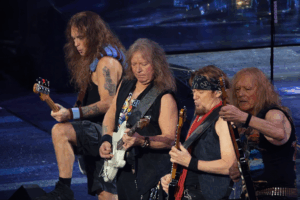
For many drummers, John Bonham is the gold standard. His powerful playing helped define Led Zeppelin’s sound, and his influence is still felt today. Collins had enormous respect for Bonham, so getting the chance to perform with Led Zeppelin should have been a dream come true. Instead, it turned into one of the most uncomfortable moments of his career.
During Live Aid, Collins faced the intense challenge of performing in two different countries on the same day. On top of that, he joined Led Zeppelin for a reunion set in an already high-pressure situation. Things didn’t go smoothly. Collins later recalled how difficult the experience was, especially dealing with Jimmy Page.
According to Collins, Page was openly critical throughout the day. Page didn’t hold back either. He suggested Collins wasn’t properly prepared to handle the band’s material, including classics like “Whole Lotta Love.” For Collins, hearing that from such a legendary figure was tough. Being compared unfavorably to Bonham only made it worse. What could have been a career highlight instead became a moment Collins likely wished he could redo—or avoid entirely.
2. Paul McCartney
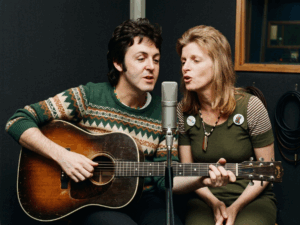
Meeting your musical heroes doesn’t always go the way you expect. Collins learned that firsthand during an encounter with one of the biggest names in music history, Paul McCartney of The Beatles.
As a young fan, Collins had admired The Beatles for years. He even worked as an extra in A Hard Day’s Night, which gave him a small glimpse into their world. So when he later had the chance to interact with McCartney, it should have been a special moment. Instead, it turned awkward.
According to Collins, McCartney came across as distant and dismissive when he asked for an autograph. The situation left a lasting impression, especially since Collins felt he was treated more like a child than a fellow musician. Despite that experience, the two did cross paths professionally later on, working together on material like “Angry.” Still, the earlier interaction stuck with Collins, reinforcing the idea that meeting your idols doesn’t always live up to expectations.
1. Noel Gallagher
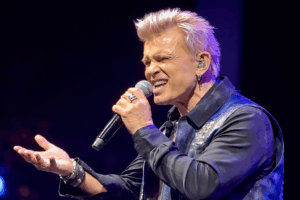
Few musicians are as outspoken as Noel Gallagher of Oasis. Known for his sharp tongue and bold opinions, Gallagher has taken aim at countless artists over the years—and Collins was one of his favorite targets.
From the start, Gallagher made it clear he wasn’t a fan. In the documentary Supersonic, he described his idea of success in a way that shocked many people, saying it would involve having the severed head of Phil Collins in his fridge by the end of the decade.
It didn’t stop there. Gallagher later doubled down, calling Collins the “antichrist of music” because of his ballads. For a while, Collins chose not to respond. But eventually, he shared his own thoughts, questioning Oasis’ talent and wondering why they were held up as rock icons.
The feud highlights a generational clash. Collins came from an era where technical skill and songwriting were front and center. Oasis, influenced by punk attitudes, focused more on raw energy and attitude. Both sides had their fans, and both left a lasting mark on music. But their differences made them natural opposites—and easy rivals in the public eye.
A Career Shaped by Conflict and Success
Looking back, these feuds tell a bigger story about Phil Collins’ place in music history. He wasn’t just a hitmaker—he was a lightning rod for debate. His music connected with millions, but it also challenged expectations of what rock should sound like.
For some, he softened the genre too much. For others, he brought a new emotional depth that made his songs timeless.
The criticism, the rivalries, and the headlines all became part of his journey. And despite everything, Collins never disappeared. He stayed relevant, kept creating, and remained one of the defining artists of his era.
In the end, the tension surrounding his career only adds to his legacy. Love him or not, Phil Collins made an impact that few musicians can match—and these feuds are just one chapter in that larger story.