




2026 Rock Hall Picks Spark Debate Over Snubs and Surprise Inductees
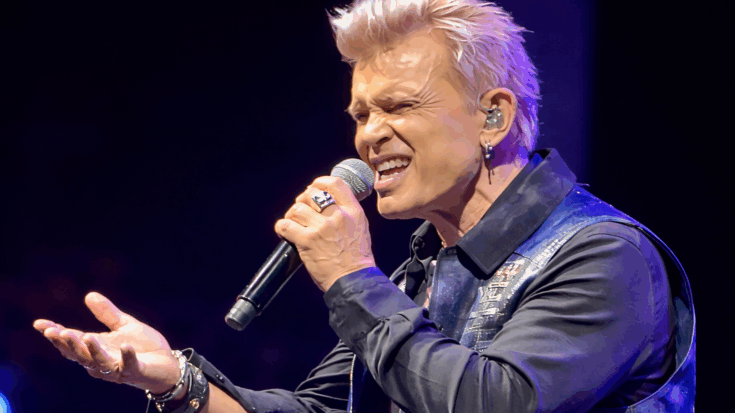
via "WatchThisOne" / youtube
People reacted to the announcement of the Rock & Roll Hall of Fame’s Class of 2026 with a mix of excitement, controversy, and confusion. The list, revealed on American Idol on April 13, didn’t just highlight who made it in—it also sparked conversations about who didn’t and what that says about the Hall’s current perspective. As always, the selections offer insight into how the institution views music history at this moment.
Phil Collins, Billy Idol, Iron Maiden, Joy Division/New Order, Oasis, Sade, Luther Vandross, and Wu-Tang Clan are among the performers set to be inducted this year. Collins is notable for being a two-time inductee, first as a member of Genesis and now as a solo artist. The Hall also recognized several influential figures in non-performer categories. Linda Creed, Arif Mardin, Jimmy Miller, and Rick Rubin are being honored for their musical contributions, while Celia Cruz, Fela Kuti, Queen Latifah, and MC Lyte will receive Early Influence Awards. The Ahmet Ertegun Award will be presented to Ed Sullivan.
On the other hand, several well-known nominees did not make the cut this year. New Edition, P!nk, INXS, The Black Crowes, Jeff Buckley, Shakira, Lauryn Hill, Melissa Etheridge, and Mariah Carey were all left out. For Carey, this marks another frustrating setback. She now joins a small group of artists who have been nominated multiple times without being inducted.
There are clear patterns that emerge when looking at both the inductees and the snubs. Here are five key takeaways from this year’s Rock Hall announcement:
1. The 1980s Have Become the Main Event
One of the most noticeable trends in this year’s class is the dominance of artists who rose to prominence in the 1980s. For years, the Rock Hall leaned heavily on acts from the 1960s and 1970s, often treating those decades as the peak of rock history. However, in 2026, that focus has clearly shifted.
This year, no major acts from the 1960s or 1970s were inducted—in fact, none were even nominated. While Phil Collins and Billy Idol began their careers in the 1970s, their defining success came in the 1980s. The same can be said for Iron Maiden, which formed in the late ’70s but achieved global prominence in the following decade.
The class is filled with artists who either broke through or reached their peak in the 1980s. Billy Idol, Phil Collins, Iron Maiden, New Order, Sade, and Luther Vandross all became major forces during that era. Even if their success extended beyond it, the ’80s remain central to their legacies.
Historically, the 1980s didn’t always receive the same level of respect as the ’60s and ’70s, with some critics viewing it as a more commercial and less “serious” period. That perception now appears to be fading. The Rock Hall seems to be embracing the decade as a defining era, which could open the door for more ’80s acts to be recognized in the coming years.
2. The ’90s Still Have a Long Way to Go
While the ’80s are finally getting their due, the 1990s remain underrepresented. This year, several strong candidates from that decade were nominated but ultimately left out. Jeff Buckley, Lauryn Hill, and Melissa Etheridge each had compelling cases for induction, yet none made the final list.
There are several possible explanations. Buckley and Hill may have been affected by their relatively small catalogs. Despite their significant influence, voters may hesitate to induct artists with limited output. Etheridge, meanwhile, has enjoyed a long and consistent career, but that very consistency may make her seem less groundbreaking in comparison.
Whatever the reason, it’s clear that the ’90s have yet to receive the same level of recognition that the ’80s are currently enjoying. The Hall still seems to be figuring out how to evaluate that decade and which artists best represent it.
This uncertainty extends into the 2000s and beyond. P!nk and Shakira were both nominated this year, but neither appears close to induction. The Hall still seems hesitant to fully embrace 21st-century pop artists. For now, the ’90s and early 2000s remain in a kind of holding pattern.
3. Reunion Tours May Really Change Things
A well-timed reunion tour can significantly boost an artist’s chances of induction. Oasis and Wu-Tang Clan—two of this year’s most notable inductees—both staged major live comebacks in 2025.
Oasis returned to the global stage with a massive tour, playing to sold-out stadiums and earning widespread acclaim. Their performances became cultural events, fueled by nostalgia and renewed appreciation for their impact.
Wu-Tang Clan experienced a similar resurgence. Their farewell tour evolved into a celebration of hip-hop history, bringing together artists and fans across generations. The response was so strong that the group ultimately decided to extend their run into 2026.
These tours didn’t just reintroduce the artists to the public—they reinforced their cultural significance. That kind of visibility can carry weight with Rock Hall voters. While it doesn’t guarantee induction, a successful reunion can remind both fans and voters why an artist deserves recognition.
4. R&B Gets In, but Pop Still Has to Fight
Another notable theme this year is the Hall’s ongoing struggle to reconcile R&B and pop. The induction of Luther Vandross and Sade shows that R&B continues to be embraced. However, Mariah Carey’s exclusion once again raises questions.
Carey’s commercial success is undeniable, with numerous chart-topping hits and record-breaking achievements. Yet that very mainstream dominance may work against her. While Vandross and Sade maintained strong ties to R&B traditions, Carey’s identity is more closely tied to pop, making her harder to fit into the Hall’s traditional framework.
This highlights a lingering contradiction: the Hall clearly recognizes R&B as a vital part of music history, but it remains hesitant to fully embrace artists whose careers are deeply rooted in pop.
5. Women in Hip-Hop
The Hall has long faced criticism for its treatment of both women and hip-hop pioneers. This year’s Early Influence Awards suggest an effort to address that imbalance.
Queen Latifah and MC Lyte were honored as early influencers, following Salt-N-Pepa’s induction in 2025. These artists played a crucial role in shaping hip-hop—particularly for women—yet they have not always received the recognition they deserve.
By placing them in the Early Influence category, the Hall ensures they are acknowledged without requiring them to go through the traditional voting process. While this approach is meaningful, it also raises questions about why they weren’t inducted as performers.
Still, the recognition underscores their importance. Both Latifah and Lyte helped redefine the role of women in hip-hop, breaking barriers and setting standards for future generations. Their inclusion—regardless of category—is a step in the right direction.
Final Thoughts
The Rock & Roll Hall of Fame’s Class of 2026 offers a revealing snapshot of how the institution currently views music history. Its growing focus on the 1980s, uncertainty around the 1990s and beyond, and ongoing tension between R&B and pop all point to a Hall that is still evolving.
At the same time, the use of alternative categories to honor influential figures suggests an effort to correct past oversights, even if the process isn’t perfect. The Hall’s selections often spark debate—and that’s part of what keeps it relevant.
Each new class doesn’t just celebrate the past; it also reshapes the ongoing conversation about what music matters and why.
https://www.youtube.com/shorts/UVG6tmRehQI